Showing posts with label MYANMAR. Show all posts

Wednesday, June 03, 2026

CONFETTI (2023, Naoya Fujita, Japan, A+30)


ไม่เคยได้ยินชื่อหนังเรื่องนี้มาก่อน BODY MELT (1993, Philip Brophy, Australia)

+++


CONFETTI (2023, Naoya Fujita, Japan, A+30)


นึกว่าเป็น KOKUHO เวอร์ชั่นสำหรับผู้ชมวัยก่อนมีประจำเดือน เพราะว่าหนังเรื่องนี้มันใสมาก ๆ ใสปิ๊ง feel good กุ๊กกิ๊ก น่ารัก เหมาะสำหรับผู้ชมวัยกำดัด


หนังเล่าเรื่องความสัมพันธ์ระหว่างเด็กชายสองคน ที่น่าจะเรียนอยู่ราว ๆ ชั้นม.3 คนนึงเป็นนักแสดงในคณะละครเร่ที่ชอบรับบทเป็นหญิงสาว ส่วนอีกคนเป็นเด็กหนุ่มหัวดีที่ไม่ชอบไปโรงเรียน เนื้อหาของหนังเน้นไปที่การแสดงแบบพื้นบ้านของญี่ปุ่น เพราะฉะนั้นหนังเรื่องนี้ก็เลยทำให้นึกถึง KOKUHO (2025, Lee Sang-il) โดยไม่ได้ตั้งใจ แต่ว่าหนังเรื่องนี้มาก่อน KOKUHO นะ


ถึงแม้ว่าโทนโดยรวมของหนังจะ feel good และจบได้แบบชุ่มชื่นหัวใจดิฉันมาก ๆ แต่หนังก็มีบางส่วนที่แอบเศร้านะ เพราะหนังพูดถึง “ละครเร่แบบพื้นบ้าน” ของญี่ปุ่นที่เสื่อมความนิยมลงในปัจจุบัน เพราะฉะนั้นถึงแม้นักแสดงละครแบบนี้จะมีฝีมือมากแค่ไหน ผ่านการฝึกปรือมามากแค่ไหน พวกเขาก็อาจจะต้องเลิกแสดงละครในอนาคต ซึ่งจุดนี้ก็อาจจะทำให้นึกถึงคณะละครชาตรี, ลิเก, งิ้ว, โนราห์ของไทยในแง่นึง และมันก็น่าเศร้าที่ศิลปินที่มีความสามารถ, ขยัน, ทำงานดีเหล่านี้ อาจจะต้องกระเสือกกระสนลำบากหาเงินเพื่อใช้ในชีวิตประจำวัน


อีกจุดของหนังก็พูดถึงหญิงสาวที่อยากจะเป็นไอดอล แต่เธอก็ไม่ประสบความสำเร็จ เป็นได้แค่ “ไอดอลใต้ดิน” เปิดคอนเสิร์ตทีก็มีคนดูน่าจะเพียงแค่ 20 คน และพวกเธอก็ยังถูกค่ายเพลงเอารัดเอาเปรียบอย่างรุนแรงด้วย


มันก็เลยน่าเศร้า คือตัวละครบางคนเป็นศิลปินการแสดงแบบโบราณที่เก่งมาก แต่คนรุ่นปัจจุบันก็อาจไม่สนใจจะดู ส่วนตัวละครอีกคนพยายามจะประสบความสำเร็จในการแสดงแบบสมัยใหม่ เป็นไอดอลร้องเต้นเพลงป๊อป แต่การจะดึงดูดคนดูก็ยากลำบากแสนเข็ญอยู่ดี


ชอบเนื้อหาใน “ละครพื้นบ้าน” ที่นักแสดงในเรื่องนี้แสดงมาก ๆ นึกว่าเป็นด้านตรงข้ามของ TOKYO STORY (1953, Yasujiro Ozu) เพราะว่า “ละครพื้นบ้าน” ในหนังเรื่องนี้ เล่าเรื่องของชายหนุ่มคนนึงที่พยายามตามหาแม่ที่แท้จริงของตนเอง แต่พอเขาตามหาแม่จนเจอ แม่ที่แท้จริงกลับไม่ใยดีเขา หาว่าเขาตามหาเธอเพียงเพราะหวังว่าจะได้รับมรดกจากเธอ ชายหนุ่มก็เลยช้ำใจอย่างแสนสาหัสเพราะแม่ของตนเอง


Favorite Actor: Jun Saito


Jun Saito ตอนนี้มีอายุราว 19 ปี เราเคยดูหนังที่เขาแสดงไปแล้ว 4 เรื่อง ซึ่งได้แก่

1. CONFETTI (2023, Naoya Fujita, Japan)


2. LET’S GO KARAOKE! (2023, Nobuhiro Yamashita)


3. TEASING MASTER TAKAGI-SAN MOVIE (2024, Rikiya Imaizumi)


4. 366 DAYS (2025, Takehiko Shinjo)

****

Film Wish List: FRUIT GATHERING (2026, Aung Phyoe, Myanmar/Czech, 97min)


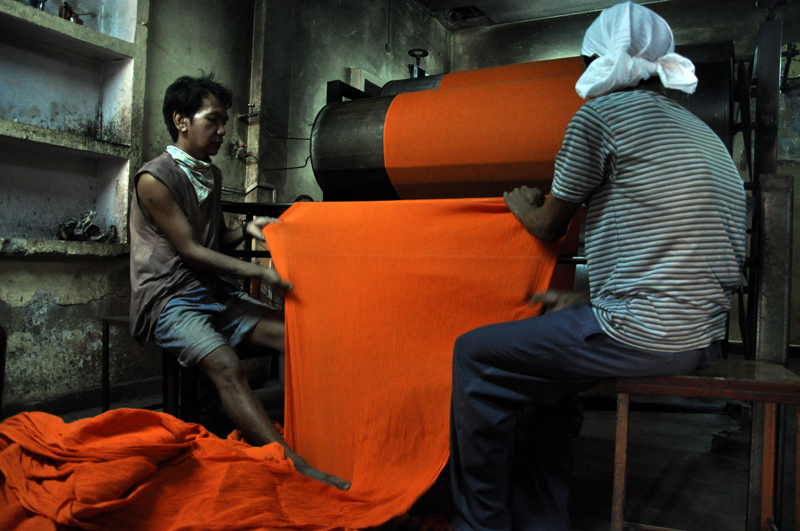
หนังยาวจากเมียนมาร์ที่เข้าชิงรางวัล Crystal Globe ในเทศกาลภาพยนตร์ Karlovy Vary ในปีนี้ น่าดูมาก ๆ เป็นเรื่องของสองสาวเลสเบียนที่ทำงานโรงงานทอผ้าในย่างกุ้ง


หลายคนคงคุ้นชื่อของ Aung Phyoe เป็นอย่างดี เพราะว่าหนังเรื่อง SEASONAL RAIN (2018, Aung Phyoe, 30min) ของเขา เคยเข้ามาฉายในเทศกาลภาพยนตร์สั้นครั้งที่ 23 ที่หอภาพยนตร์ ศาลายา ในวันที่ 15 ธ.ค. 2019 ซึ่งเรื่องนั้นก็เป็นหนังเลสเบียนเหมือนกัน


SEASONAL RAIN ติดอันดับ 73 ในลิสท์หนังที่เราชื่นชอบที่สุดที่ได้ดูในปี 2019


Monday, August 14, 2017

MY BUDDHA IS PUNK, CAUTIONARY TALE

MY BUDDHA IS PUNK (2015, Andreas Hartmann, Myanmar/Germany, documentary, A+30)

พอดูสารคดีเรื่องนี้ไล่เลี่ยกับหนังเรื่อง SONGS OF REVOLUTION (2017, Bill Mousoulis, Greece) แล้ว ทำให้เห็นเลยว่า ผู้กำกับแต่ละคน “จับจุดโฟกัส” ได้ตรงใจเรามากๆ คือ SONGS OF REVOLUTION มันเป็นหนังที่พูดถึง “เพลงสะท้อนสังคม” ในกรีซน่ะ เพราะฉะนั้นมันก็เลยเทียบเคียงกับ MY BUDDHA IS PUNK ได้ เพราะ MY BUDDHA IS PUNK เป็นการนำเสนอวงดนตรีวงหนึ่งที่ระบายความคับข้องใจต่อสังคมเมียนมา หรือระบายแนวคิดทางสังคมออกมาทางเนื้อเพลงของพวกเขา ซึ่งวงดนตรีต่างๆในกรีซก็ทำแบบนี้เช่นกันในหนังเรื่อง SONGS OF REVOLUTION เพียงแต่ว่าปัญหาสังคมของกรีซกับเมียนมามันต่างกันมากพอสมควร เพราะในส่วนของเมียนมานั้น มันเป็นปัญหาเรื่องเผด็จการกับความคลั่งศาสนา แต่ในกรีซมันเป็นปัญหาเรื่องเศรษฐกิจตกต่ำสุดขีด

เราว่า Andreas Hartmann จับจุดโฟกัสใน MY BUDDHA IS PUNK ได้ถูกต้อง เพราะหนังนำเสนอบทสนทนาระหว่างนักดนตรีเยอะมาก และนำเสนอ lifestyle ของพวกเขาเยอะมาก แต่ให้เวลาไม่มากเท่าไหร่กับ “เสียงดนตรี” ของพวกเขา และเราว่านั่นแหละ ถูกต้องแล้ว เพราะเราไม่ชอบดนตรีพังค์แบบนี้น่ะ 555 คือเราว่าดนตรีของพวกเขาไม่เข้าทางเรา และเนื้อเพลงของพวกเขาก็ดูไม่ได้มีอะไรลึกซึ้งมากเท่าไหร่ หนังก็เลยไม่ได้ให้เวลาเราในการฟังดนตรีของพวกเขามากนัก แต่ให้เวลาเราได้ฟังพวกเขาพูดคุยกันแทน และเราว่าพวกเขาพูดคุยกันในเรื่องที่น่าสนใจมากๆ โดยเฉพาะการโต้เถียงกันในเรื่องศาสนา, ความคิดเรื่องทหาร-ตำรวจ หรือการสอนวงดนตรีรุ่นน้องว่า อย่าไปตั้งชื่อวงว่า “นาซี”

เราชอบมากที่หนังนำเสนอ lifestyle ของวงพังค์วงนี้ด้วย เพราะมันไม่ใช่ lifestyle เท่ๆเก๋ๆ แต่มันคือชีวิตจนๆ กระเสือกกระสน ดิ้นรนกันไป และเป็น lifestyle ที่สะท้อนสภาพบ้านเมืองของเมียนมาได้อย่างดีมากๆเลยด้วย

ในส่วนของ SONGS OF REVOLUTION นั้น หนังไม่ได้ให้เราฟังนักดนตรีคุยกัน และไม่ได้นำเสนอ lifestyles ของนักดนตรีเลย แต่หนังให้เราฟังเพลงและอ่านเนื้อเพลงอย่างเต็มที่ พร้อมกับดูภาพที่เป็นเหมือน fan-made music videos ไปด้วย และเราว่านั่นแหละคือการจับจุดโฟกัสที่ถูกต้องแล้ว เพราะดนตรีใน SONGS OF REVOLUTION มันไพเราะเพราะพริ้งจริงๆน่ะ และเนื้อเพลงมันก็สะท้อนสังคมกรีซได้อย่างน่าสนใจ

เพราะฉะนั้นทั้ง MY BUDDHA IS PUNK กับ SONGS OF REVOLUTION ก็เลยเป็นหนังสองเรื่องที่พูดถึงประเด็นใกล้เคียงกัน แต่จับจุดโฟกัสต่างกันอย่างรุนแรงมาก เพราะ MY BUDDHA IS PUNK ให้ความสำคัญกับชีวิตนักดนตรี แต่ไม่ให้ความสำคัญกับเสียงดนตรี ส่วน SONGS OF REVOLUTION ให้ความสำคัญกับเสียงดนตรี แต่ไม่ให้ความสำคัญกับชีวิตนักดนตรี แต่หนังทั้งสองเรื่องทำถูกต้องแล้วที่จับจุดโฟกัสแตกต่างกันเช่นนี้ เพราะมันคือการที่ผู้สร้างหนังเข้าใจดีว่าอะไรคือสิ่งที่น่าสนใจอย่างแท้จริงใน subject ของตัวเองน่ะ

CAUTIONARY TALE (2014, Christopher Zawadzki, A+15)

1.ดูแล้วนึกถึงสิ่งที่ตัวเองเพิ่งเขียนถึงหนังสั้นนักศึกษาไปน่ะ ที่บอกว่าในบรรดาหนังสั้นนักศึกษาแบบ narrative นั้น (ไม่รวมประเภท non-narrative) มันอาจแบ่งออกได้เป็น 4 ระดับ ระดับล่างสุดคือเล่าเรื่องไม่ได้, ระดับ 2 คือเล่าเรื่องได้, ระดับ 3 คือได้ทั้งเล่าเรื่องและสื่ออารมณ์ความรู้สึกของตัวละคร และระดับ 4 คือได้ทั้งเล่าเรื่อง, สื่ออารมณ์ความรู้สึก และมี magic อะไรบางอย่างในหนัง ที่ทำให้หนังมันทรงพลังมากๆ

คือเราว่า CAUTIONARY TALE อยู่ประมาณระดับ 3 สำหรับเราน่ะ คือมันเล่าเรื่องได้ชัดเจน และสื่ออารมณ์ความรู้สึกของตัวละครได้ชัดเจน แต่มันยังขาด magic อะไรบางอย่างน่ะ

บางทีมันอาจจะต้องอาศัยผู้กำกับที่มีความเป็นกวี หรือผู้กำกับที่สามารถคิดฉากที่มัน cinematic มากๆออกมาได้ด้วยมั้ง มันถึงจะทำให้หนังออกมาทรงพลังกว่านี้

คือตอนดูจะนึกถึงหนังสั้นของม.กรุงเทพเรื่อง พบ (ALONG TOGETHER) (2009, Wuttipan Deepanya) นะ เพราะหนังเรื่อง “พบ” มันก็เป็นเรื่องผู้ชายที่เอาอัฐิของคนที่ตนรักไปทิ้งในจุดที่ต้องการเหมือนกัน (แต่ใน CAUTIONARY TALE จะเป็นอัฐิของลูกสาว) และหนังทั้งสองเรื่องนี้มันต้องการนำเสนอความรัก, ความเศร้าใจ, การพลัดพราก, การลาจาก, การทำใจเหมือนกัน แต่เราว่า “พบ” มันทำออกมาได้ cinematic กว่าน่ะ หนังมันก็เลยทรงพลังมากๆ

2.นอกจาก CAUTIONARY TALE จะขาด magic แล้ว ตอนที่เราดูหนังเรื่องนี้ เรายังคิดถึงสิ่งที่ตัวเองเพิ่งเขียนถึงหนังเรื่อง JUST THE THREE OF US (2010, Renaud Bertrand) ด้วย ที่เราบอกว่า เราชอบหนังเรื่อง JUST THE THREE OF US อย่างสุดๆ เพราะมันใส่อะไรที่ดูเหมือนไม่เกี่ยวข้องกับพล็อตหลักเข้ามาเต็มไปหมด แต่อะไรที่ดูเหมือนไม่เกี่ยวกับพล็อตหลักนี่แหละ ที่มันทำให้ตัวละครในหนังดูเป็น “มนุษย์จริงๆ” สำหรับเรา ไม่ใช่ “ตัวละครที่มีชีวิตอยู่เพียงเพื่อรองรับธีมหนัง หรือรองรับ message ของหนัง” เท่านั้น

เราว่า CAUTIONARY TALE เหมือนเป็นตัวอย่างของหนังแนวที่ไม่เข้าทางเราน่ะ เพราะถึงแม้ว่าตัวละครใน CAUTIONARY TALE จะดูเป็นมนุษย์ และนักแสดงก็เล่นดี แต่มันเหมือนตัวละครในหนังถูกลดทอนความซับซ้อนของชีวิต, อารมณ์, ความรู้สึกออกไป โดยให้เหลือแต่เพียงส่วนที่เกี่ยวข้องกับธีมหนัง หรือ “คติสอนใจ” ที่หนังต้องการจะบอกน่ะ

3.แต่ก็ชอบหนังในระดับ A+15 นะ เราว่ามันก็ทำออกมาได้ดีในระดับนึงน่ะแหละ เราชอบมากๆด้วยที่พระเอกนางเอกดูเหมือนคนธรรมดา, พระเอกมีความน่ารักแบบคนธรรมดา, หนังไม่เร้าอารมณ์มากเกินไป, จบเรื่องได้โอเคประมาณนึง

ฉาก montage ตอนเอาอัฐิไปทิ้งก็ทำออกมาได้ดีมากเลยด้วย เราชอบช่วงนี้มากที่สุดของหนัง


แต่เราว่าหนังขาด magic, ขาดพลังแบบ cinematic และหนังมันให้ความสำคัญกับธีมหนังหรือคติสอนใจของหนังมากเกินไป จนมันทำให้ตัวละครขาดมิติความเป็นมนุษย์ในระดับนึง หรือทำให้จักรวาลในหนังขาดมิติของความเป็นธรรมชาติไป layer นึงน่ะ 

Friday, April 14, 2017

Films seen in the Mini Wathann Film Festival in Bangkok in 2017

Films seen in the Mini Wathann Film Festival in Bangkok in 2017

All films are from Myanmar

In roughly preferential order

1.THE MONK (2014, The Maw Naing, 93min, A+30)

--ชอบวิธีการเล่าเรื่องในฉากจบมากๆ

--ดูแล้วรู้สึกว่ามันเป็นด้านกลับของธุดงควัตร WANDERING (2016, Boonsong Nakphoo) ในแง่ที่ว่า THE MONK นำเสนอพระโดยเน้นไปที่ ประเด็นทางโลกย์ และสังคมส่วน WANDERING นำเสนอพระโดยเน้นไปที่ “spiritual satisfaction ในใจตัวละครคือหนังสองเรื่องนี้ไม่ได้เป็นขั้วตรงข้ามกันซะทีเดียวนะ แต่เรารู้สึกว่าพอมันนำมาเปรียบเทียบกันแล้ว มันสนุกดี 

--ส่วนที่ต่างกันอย่างเห็นได้ชัดระหว่างหนังสองเรื่องนี้ก็มีอย่างเช่น บทบาทของพระผู้เคร่งครัด โดยใน WANDERING นั้น พระผู้เคร่งครัดถูกนำเสนอในฐานะของผู้ที่ควรเคารพนับถือบูชา ส่วนใน THE MONK นั้น พระผู้เคร่งครัดถูกนำเสนอในแบบที่กระตุ้นให้ผู้ชมตั้งคำถามว่า ท่านเคร่งครัดเกินไปหรือเปล่า, ท่านตึงเกินไปหรือเปล่า และสิ่งที่ท่านทำนั้นเข้ากับสังคมและชาวบ้านจริงๆหรือไม่ โดยตัวละครที่ตั้งคำถามต่อพระเจ้าอาวาสในหนังเรื่องนี้ได้อย่างน่าสนใจ ก็คือตัวละครเจ้าของโรงสีข้าว ที่ไม่ยอมบริจาคเงินช่วยเหลือเจ้าอาวาส

แต่ THE MONK ก็ไม่ได้นำเสนอพระเจ้าอาวาสในทางลบนะ หนังเพียงแค่นำเสนอพระเจ้าอาวาสที่เคร่งครัดในฐานะของมนุษย์คนนึงที่มีนิสัยแบบนี้ ส่วนเราจะมองว่าท่านทำถูกหรือทำผิด ผู้ชมแต่ละคนก็ตัดสินใจได้เอง 

--พระเอกของ THE MONK กับ WANDERING ก็เป็นคู่เปรียบเทียบที่แตกต่างกันอย่างน่าสนใจดี พระเอกของ THE MONK มีจิตใจฝักใฝ่ในทางโลกย์, อยากฟังเพลง, อยากมีเมีย แต่เขาต้องจำใจต้องเป็นพระต่อไป เพราะดูเหมือนเขาไม่เหลือทางเดินอื่นๆในชีวิตให้เลือกเดินมากนัก ความจำเป็นทางการเงินและชะตาชีวิตที่อับจนเป็นเหตุผลสำคัญให้เขาตัดสินใจเป็นพระต่อไป 

ส่วนพระเอกของ WANDERING นั้น ถ้าเราจำไม่ผิด ความสุขทางใจที่เกิดจากการปฏิบัติธรรมน่าจะเป็นเหตุผลหลักที่ทำให้เขาเป็นพระต่อไป

--ชอบความยากลำบากของพระเอกในคืนที่ตระเวนหาผู้บริจาคเลือดมากๆ เขาต้องเดินทางเร่ร่อนอย่างเหน็ดเหนื่อยไปทั่วเมืองในคืนนั้น และเราก็รู้สึกอินกับความลำบากของตัวละครในเหตุการณ์นี้น่ะ มันทำให้นึกถึงตัวเราเองที่รู้สึกว่า การพยายามจะมีชีวิตอยู่ต่อไปมันเป็นสิ่งที่ยากลำบากและเหน็ดเหนื่อยเสียเต็มประดา

หนังอีกเรื่องที่ทำให้เรารู้สึกอินในแบบเดียวกันคือ THE CASTLE (1997, Michael Haneke) ที่ตัวละครพระเอกก็เดินทางแสวงหาปราสาทอย่างเหน็ดเหนื่อยไม่หยุดพักตลอดทั้งคืนเหมือนกัน (ถ้าจำไม่ผิด) ความเหน็ดเหนื่อยของพระเอกใน THE MONK กับ THE CASTLE นี่เป็นสิ่งที่เราอินด้วยมากๆ

2.FOURTEEN DEGREES CELSIUS, A HUNDRED MILES PER HOUR (2015, Nyi Lynn Htet, A+30)

3.MAWTIN JETTY (2015, Ten Men, A+30)

4.SAMANERA (2016, Tay Zar Win Htun, Zaw Win Htwe, documentary, 45min, A+30)

5.READY IN 5 MINUTES (2016, Swam Yaund Ni, documentary, A+30)

6.NOW I’M 13 (2014, Shin Daewe, documentary, A+30)

7.PERIOD@PERIOD (2016, Hnin Ei Hlaing, A+30)

8.UNFINISHED PAINTING (2015, Wai Mar Nyunt, documentary, 70min, A+30)

9.LIKE UMBRELLA, LIKE KING (2015, Moe Satt, A+30)

10.MRAUK OO STORY (2015, Aung Min, Tha Kyaw Htay, A+30)

11.TRANSIT (2014, Saw Min Maw, documentary, A+25)
ผู้กำกับหนังเรื่องนี้น่ารักมาก กรี๊ดดดดดดดดดดดดดดดดดดดดดดดดด
https://www.facebook.com/saw.m.maw

12.MOVE (2015, Khong Soe Moe, documentary, A+25)

13.4 BLOOMING SOUND (2016, Phyu Mon, A+25)

14.THE PLACE (2015, Khin Khin Su, A+25)

15.THE SPECIAL ONE (2016, Lamin Oo, documentary, A+20)

16.THE KITE (2015, L. Minpae Mon, A+15)

17.SPORADIC RAIN (2015, Mg Sun, A+15)

18.SAW KAE (ONCE UPON A TIME) (2016, Zaw Bo Bo Hein, A+15)

19.MOTHER (2016, Shun Wint Aung, A+15)

20.RHYTHM (2015, Pyin Nyar Zeya, A+10)

21.ACROSS THE RIVERWIND (2016, Kriz Chan Nyein, A+5)

22.CHASING ROSES (2015, Kriz Chann Yein, A+)

23.THE RED IN RED (2016, Khin Su Kyi, documentary, A-)

24.SILENCE (2015, Htoo Paing Zaw Oo, A-)

FOURTEEN DEGREES CELSIUS, A HUNDRED MILES PER HOUR (2015, Nyi Lynn Htet, Myanmar, A+30)

ชอบความบ้าๆบอๆของมัน รู้สึกว่าในแง่นึงมันเหมือนเป็นญาติห่างๆของหนังอย่าง THE PHANTOM OF LIBERTY (1974) และ THE DISCREET CHARM OF THE BOURGEOISIE (1972) ของ Luis Buñuel เพราะตัวละครในหนังพวกนี้มักจะทำอะไรที่ผิดหลักเหตุผลอย่างตั้งใจ เหตุการณ์ประหลาดๆที่เกิดขึ้นอย่างไม่มีคำอธิบายในหนังเรื่องนี้ก็ทำให้นึกถึงหนังของบุนเยลและพวกหนัง magical realism ด้วย

ดูจบแล้วก็ไม่สามารถตีความอะไรในหนังได้เลย แต่รู้สีกดีกับหนังมากๆ

MAWTIN JETTY (2015, Ten Men, Myanmar, A+30)

ชอบที่หนังเหมือนจับเอา 3 เหตุการณ์เล็กๆที่ไม่ได้มีความสลักสำคัญอะไรมาทำให้เกิดผลกระทบทางอารมณ์อย่างประหลาด เหตุการณ์แรก WOMAN เป็นเรื่องของหญิงชาวบ้านคนนึงที่ตามหาชายหนุ่มคนนึงไปเรื่อยๆ และในที่สุดเธอก็เอาอาหารไปให้ชายหนุ่มคนนั้นกินที่ท่าเรือ แล้วก็นั่งมองเขากินอย่างมีความสุข

ทำไมเราถึงอินกับ WOMAN มากๆก็ไม่รู้ รู้สึกเหมือนเราเข้าใจผู้หญิงในเรื่องเป็นอย่างดี เราเข้าใจว่าเธอคงเอาข้าวกลางวันไปให้ผัวกินน่ะ และเราเดาเอาเองว่าผัวของเธออาจจะเป็นแรงงานรับจ้างที่ไม่ได้มีงานประจำทำ แต่อาจจะเปลี่ยนที่ทำงานไปเรื่อยๆ แล้วแต่ว่าวันไหนจะถูกจ้างไปใช้แรงงานที่ไหน (เธอก็เลยไม่รู้ว่าผัวเธอทำงานที่ไหนในวันนั้น) และการได้นั่งมองผัวหนุ่มกินข้าวที่ตัวเองทำคงเป็นอะไรที่ทำให้เธอมีความสุขสุดๆแล้ว เราว่าหนังถ่ายทอดกิจวัตรที่ดูเหมือนธรรมดาและเรียบง่ายนี้ออกมาได้อย่างงดงามและทรงพลังมากๆสำหรับเรา

ช่วงที่สอง GALLERY นี่เป็นช่วงที่หวาดเสียวมากๆสำหรับเรานะ เพราะเนื้อหาของมันสุ่มเสี่ยงต่อการเป็นหนัง ซาบซึ้งเกินเหตุได้ง่ายมากๆน่ะ เราเข้าใจว่ามันเล่าเรื่องของคนจนคนนึงที่อยากเข้าไปดู paintings ในแกลเลอรี่ แต่ไม่กล้าเข้าไป เพราะมันเป็นพื้นที่ของชนชั้นกลางและคนรวย แต่ในที่สุดคนดูแลแกลเลอรี่ก็สังเกตเห็นเขา และชวนให้เขาเข้ามาดูภาพวาดในแกลเลอรี่

เราว่าช่วงที่สองหนังคุมโทนอารมณ์ได้ดีมาก เพราะถ้ามันใส่ดนตรีประกอบมากเกินไป หรือพยายามบีบคั้นอารมณ์จากคนดูและตัวละครมากเกินไป มันจะกลายเป็นหนังแย่ในทันที แต่การที่หนังไม่ได้บอกว่าคนดูควรรู้สึกยังไง และตัวละครในหนังก็ไม่ได้ทำเหมือนกับว่านี่เป็นเหตุการณ์แห่งความกรุณาปรานีเห็นอกเห็นใจเพื่อนมนุษย์อย่างยิ่งใหญ่ มันเป็นเพียงเหตุการณ์เล็กๆเหตุการณ์หนึ่งเท่านั้น มันก็เลยทำให้เราชอบช่วงที่สองของหนังมากเช่นกัน

ช่วงที่สามของหนัง WAITING เล่าเรื่องของพระที่ต้องการลงเรือข้ามฟาก แต่ดูเหมือนคนดูแลเรือข้ามฟากไม่สนใจ และไปนั่งหลับ ปล่อยให้พระนั่งรอเงกในเรือไปเรื่อยๆเป็นเวลานาน

ดูแล้วเราก็ไม่แน่ใจว่า WAITING ต้องการสื่ออะไร แต่ก็ชอบมากๆอยู่ดี

เราว่า MAWTIN JETTY เหมือนเป็นญาติห่างๆของหนังของ Tossapol Boonsinsukh นะ เพราะหนังของทศพลบางเรื่องก็มีการจับเอา moments เล็กๆน้อยๆที่น่าประทับใจมาเรียงร้อยเข้าด้วยกันเหมือนกัน แต่แตกต่างกันตรงที่หนังของทศพลจะสะท้อนมุมเล็กๆน้อยๆในชีวิตชนชั้นกลาง ในขณะที่ MAWTIN JETTY ใช้ฉากหลังที่เต็มไปด้วยคนจน

อีกสิ่งหนึ่งที่เหมือนกันก็คือว่า หนังของ Tossapol Boonsinsukh และ MAWTIN JETTY ไม่ได้บอกว่าคนดูควรรู้สึกยังไง แต่หนังกลุ่มนี้กลับทำให้เรารู้สึกอะไรบางอย่างที่รุนแรง ซึ่งเป็นความรู้สึกที่แปลกๆ หาคำ adjective มาบรรยายไม่ได้ มันไม่ใช่ สุข”, “เศร้า”, “เหงาอะไรแบบนี้ซะทีเดียว มันเป็นความรู้สึกที่อยู่นอกเหนือคำในภาษา


SAMANERA (2016, Tay Zar Win Htun, Zaw Win Htwe, Myanmar, documentary, 45min, A+30)

ชอบการที่หนังจับสังเกต moments เล็กๆน้อยๆของชาวบ้านมาเรียงร้อยเข้าด้วยกันตลอดทั้งเรื่อง ในแง่นึงมันเหมือนกับ RAILWAY SLEEPERS (2016, Sompot Chidgasornpongse) น่ะ คือมันเต็มไปด้วย moments เล็กๆน้อยๆที่งดงามในตัวมันเองมากมาย และ moments เล็กๆน้อยๆเหล่านี้ไม่ได้ส่ง message ที่ชัดเจนใดๆ 

เราว่าการตัดต่อหนังแบบนี้ยากมากๆ คือหนังอย่าง SAMANERA จริงๆแล้วมันก็อาจจะมี message และมีธีมหลักของมันน่ะแหละ แต่หลายฉากของมันเหมือนไม่ได้ถูกครอบงำด้วยการส่งสารที่เฉพาะเจาะจงต่อคนดู แต่เป็นเพียงการจับสังเกตอิริยาบถ, อากัปกิริยา, กิจวัตรเล็กๆน้อยๆของมนุษย์ในพื้นที่หนึ่งๆเท่านั้น และพอฉากเหล่านี้ไม่จำเป็นต้องเชื่อมโยงกันเพื่อส่งสารที่เฉพาะเจาะจง มันก็คงจะเป็นเรื่องที่ยากมากๆในการตัดสินใจว่า จะเลือกฉากใดบ้างเข้ามาไว้ในหนัง และจะเรียงฉากไหนต่อกับฉากไหนดี และแต่ละฉากควรจะยาวสั้นเพียงใด คือพอมันไม่ถูกครอบงำด้วย message แล้ว มันก็เลยมีอิสระมากๆในการเลือกฉาก, การเรียงฉาก และการกำหนดความสั้นยาวของฉาก

มันต้องใช้ sense ที่ดีมากจริงๆในการทำหนังแบบนี้ออกมาได้ และเราว่าทั้ง Sompot Chidgasornpongse และผู้กำกับ SAMANERA ทำสิ่งนี้ได้สำเร็จ

FAVORITE FILMS FROM MYANMAR

เนื่องจากจะมีงานฉายหนังพม่าที่ Reading Room ในวันเสาร์-อาทิตย์ที่ 4-5 มี.ค.นี้ เราก็เลยถือโอกาสนี้ทบทวนความทรงจำของเราว่า เคยมีหนังพม่าเรื่องไหนบ้างที่ติดอันดับหนังประจำปีของเรามาแล้ว

ปี 2006
1.HEXAGON (2006, Kyi Soe Tun)

ปี 2010
2.A MILLION THREADS (2006, Thu Thu Shein)
3.MY POSITIVE LIFE (2008, Wai Mar Nyunt)

ปี 2012
4.BURMESE BUTTERFLY (2011, Hnin Ei Hlaing)

ปี 2013
5. NARGIS: WHEN TIME STOPPED BREATHING (2010, Muang Myint Aung, Kyaw Kyaw Oo)

ปี 2014
6.INSEIN RHYTHM (2013, Soe Moe Aung)

ปี 2015
7.YADANABON (1953, U Tin Muang)
8.TENDER ARE THE FEET (1972, Muang Wunna)
9. 4 WORDS 1 FOOT (2014, Joe Decker, Thet Zaw Win)

ปี 2016
10.KAYAN BEAUTIES (2012, Aung Ko Latt)

Special Case: หนังสารคดีญี่ปุ่นเกี่ยวกับชาวพม่าเรื่อง LIFE IN A FOREIGN LAND: BURMESE IN JAPAN (2012, Toshikuni Doi) ก็เคยติดอันดับประจำปีของเราเหมือนกัน

Sunday, August 30, 2015

GOLDEN KINGDOM (2014, Brian Perkins, Myanmar, A+30)

GOLDEN KINGDOM (2014, Brian Perkins, Myanmar, A+30)

งดงามมากๆ การถ่ายภาพก็งดงามมากๆ sound effects ก็งดงามมากๆ เป็นหนังที่เหมาะกับการดูในโรงจริงๆ เพราะภาพและเสียงมันงามสุดๆ


ดูแล้วชอบมากกว่าหนังกลุ่ม “เณรน้อย” หรือหนังพระหลายๆเรื่องนะ แน่นอนว่ามันดีกว่าหนังไทยกลุ่มเณรน้อยอยู่แล้ว เพราะหนังไทยกลุ่มเณรน้อยไม่ค่อยมีหนังดีๆเท่าไหร่  แต่เราชอบมากกว่าหนัง Bhutan เรื่อง THE CUP (1999, Khyentse Norbu) หรือหนังศรีลังกาเรื่อง SANKARA (2006, Prasanna Jayakody) ด้วย เราว่าหนังเรื่อง THE CUP มันพยายามจะให้ความบันเทิงแก่คนดูมากเกินไปเมื่อเทียบกับรสนิยมของเรา ส่วนหนังเรื่อง SANKARA มันอาจจะพยายามทำตัวอาร์ตมากเกินไปสำหรับเรา แต่ GOLDEN KINGDOM มันเหมือนอยู่กึ่งกลางระหว่าง THE CUP กับ SANKARA คือไม่ทำตัวอาร์ตนิ่งช้าแบบสูตรหนังอาร์ตมากเกินไป แต่หนังก็ยังคงมีความงดงามเชิงกวีสูงมาก และสามารถถ่ายทอดสถานะของพุทธศาสนากับปัญหาในเมียนมาร์ได้ดีในระดับนึง

Sunday, February 01, 2015

Myanmar Films seen on Sunday, January 25, 2015

Myanmar Films seen on Sunday, January 25, 2015

1.4 WORDS 1 FOOT (2014, Joe Decker + Thet Zaw Win, A+30)

ชอบโครงสร้างของหนังเรื่องนี้มากๆ มันพิสดารมาก ไม่เคยพบเคยเจอมาก่อนในชีวิต และทำให้นึกว่า น่าจะมีผู้กำกับหนังไทยเอาโครงสร้างของ “กลบท” มาทำหนังบ้าง อย่างเช่นเอาโครงสร้างของ “กลบทกบเต้นสามตอน” หรือโครงสร้างของ “วสันตดิลกฉันท์ 14” มาดัดแปลงเป็นภาพยนตร์

นอกจาก 4 WORDS 1 FOOT แล้ว หนังอีกเรื่องที่เราว่ามี “โครงสร้าง” รุนแรงพอๆกัน คือ EDEN AND AFTER (1970, Alain Robbe-Grillet, A+30) เพราะ EDEN AND AFTER เอาโครงสร้างดนตรี twelve-tone ของ Arnold Schoenberg มาดัดแปลงเป็นโครงสร้างภาพยนตร์

2.YATANABON (1953, U Tin Maung, A+30)

3.NEXT MONTH (2013, Soe Moe Aung, A+30)

4.A STORY A LONG AGO (2009, Myat Noe, A+25)

5.LONG TIME NO SEE (2012, Htoo Paing Zaw Oo, A+15)

6.LIFE & WISH (2013, Wynn Htut, A+10)

7.HAPPY SOUL (2010, Wai Mar Nyunt, A+10)

8.SCRAP (2012, Maung Maung Tha Myint, A+10)

9.FOREST (2012, Thaiddhi, A+)

10.RIVER (2012, Thuthu Shein, A)


Sunday, January 25, 2015

Myanmar Films seen on Saturday, January 24, 2015

Myanmar Films seen on Saturday, January 24, 2015

1.TENDER ARE THE FEET (1972, Muang Wunna, A+30)

--ชอบฉากช่วงท้ายที่เป็นฉากระลึกความทรงจำของนางเอกมากๆ เพราะการตัดต่อในฉากนั้นมันรุนแรงมาก มันเหมือนเป็นความพยายามจำลอง stream of consciousness ของมนุษย์ เพราะฉะนั้นสิ่งที่ปรากฏออกมาในฉากนั้นก็เลยดูมีลักษณะคล้ายหนังทดลอง มันเป็นการนำห้วงเวลาที่อยู่ในความทรงจำของเรามาเรียงร้อยเข้าด้วยกันอย่างรวดเร็ว

คือหนัง narrative โดยทั่วไป หรือส่วนที่เป็น narrative ในหนังเรื่องนี้ ฉากต่างๆมันจะถูกเรียงร้อยเข้าด้วยกันโดยมีตัวละคร, เส้นเรื่อง, เวลา, ความเป็นเหตุเป็นผลมากำหนดการร้อยเรียงกัน ว่าอะไรต้องมาก่อน ต้องมาหลัง อะไรต้องอยู่ต่อๆกันเป็นลำดับเท่าไร

แต่ในหนังทดลองบางเรื่อง และในฉาก “ระลึกความหลัง” ในหนังเรื่องนี้ สิ่งที่สำคัญไม่ใช่เส้นเรื่อง, ลำดับเวลา, ความเป็นเหตุเป็นผล แต่เป็น “ความประทับใจของตัวละคร” คือตัวละครตัวนั้นประทับใจในห้วงเวลาไหนในชีวิต เราก็จะได้เห็นห้วงเวลานั้น และการเรียงลำดับฉากก็ไม่จำเป็นต้องขึ้นอยู่กับลำดับเวลาว่าเหตุการณ์อะไรเกิดก่อน อะไรเกิดหลัง ฉาก a กับฉาก b ไม่จำเป็นต้องมีความเชื่อมโยงกันโดยตรงก็ได้ ขอเพียงแค่ฉาก a กับฉาก b เป็นสิ่งที่ประทับอยู่ในความทรงจำของตัวละครตัวเดียวกันก็พอ

เราชอบการตัดต่อในฉากแบบนี้และความพยายามจำลอง consciousness ของมนุษย์แบบนี้มากๆ ซึ่งจริงๆแล้วมันแสดงให้เห็นว่าผู้กำกับหนัง narrative หลายๆเรื่อง อาจจะมีความสามารถในการทำหนังทดลองที่ดีก็ได้ แต่เขาคงไม่ทำหนังทดลอง เพราะมันไม่ได้ตังค์ ทำหนัง narrative แบบนี้นี่แหละ ถึงจะได้ตังค์ แต่มันก็เป็นการดีมากที่เหมือนมี part ของหนังทดลองซ่อนอยู่ในหนัง narrative แบบนี้

จุดนี้ทำให้เรานึกถึงหนังเรื่อง VERDUN, VISIONS OF HISTORY (1928, Léon Poirier, France, A+30) ด้วย เพราะหนังเกี่ยวกับสงครามโลกครั้งที่หนึ่งเรื่องนี้ เล่าเรื่องเหมือนหนัง narrative โดยทั่วไปประมาณ 75% และมี 20% ที่เป็นเหมือนหนังสารคดี แสดงแผนผังการวางกองกำลังต่างๆของฝรั่งเศสและเยอรมนีในบริเวณสมรภูมิ (ซึ่งส่วนนี้ก็น่าสนใจสุดๆ เพราะเป็นสิ่งที่เราไม่เคยเห็นในหนังเรื่องอื่นๆ) ส่วนอีก 5% ที่เหลือเรามองว่ามันเหมือนหนังทดลอง คือมันมีฉากหนึ่งที่ผู้หญิงคนหนึ่งในเรื่องได้ข่าวว่า เมืองที่เธอเคยอาศัยอยู่ได้ถูกสงครามทำลายจนโลบังพังพินาศไปหมดแล้ว แล้วอยู่ดีๆหนังก็เหมือนถลำลึกเข้าไปใน stream of consciousness ของผู้หญิงคนนั้น เราเห็นภาพกิจวัตรประจำวันต่างๆของผู้คนในเมืองนั้นในช่วงที่เมืองนั้นยังเป็นปกติอยู่ ภาพกิจวัตรประจำวันของผู้คนในเมืองนั้นถูกเรียงร้อยเข้าด้วยกันและถูกตัดต่ออย่างรวดเร็วมาก เหมือนกับฉากความทรงจำของนางเอก TENDER ARE THE FEET และฉากนี้ก็จบลงในแบบที่คล้ายๆกัน คือจบลงด้วยใบหน้าของผู้หญิงคนนั้นที่ต้องยอมรับความจริงที่ว่า “ความสุขในอดีตของเมืองนั้นเป็นสิ่งที่ไม่มีทางหวนคืนมาได้อีก” ส่วนใน TENDER ARE THE FEET นั้น ฉากนี้ก็จบลงด้วยใบหน้าที่เศร้าสร้อยของนางเอกเช่นกัน

--สำหรับเราแล้ว ฉากไคลแมกซ์ของ TENDER ARE THE FEET คือฉาก “ใบไม้ไหว พัดปลิวไปตามสายลม” คือเราว่าฉากใบไม้ปลิวนี่มันอาจจะมีสาเหตุมาจากการเซ็นเซอร์น่ะ คือตามเนื้อเรื่องแล้ว ฉากนั้นตัวละครสองตัวคงจะมีเซ็กส์กัน แต่หนังคงถ่ายทอดออกมาไม่ได้ ก็เลยถ่ายฉากใบไม้ปลิวไป แล้วก็ปลิวมา ปลิวไป แล้วก็ปลิวมาแทน มันก็เลยกลายเป็นฉากที่ unique สุดๆ เราไม่เคยเห็นฉากแบบนี้ถูกใช้ใน function แบบนี้มาก่อน ฉากใบไม้ปลิวก็เลยกลายเป็นฉากที่ก่อให้เกิดอารมณ์รัญจวน+ลุ้นระทึกมากๆว่าตกลงตัวละครมันจะได้มีเซ็กส์กันหรือเปล่า

--ชอบการฝึกร่ายรำในบางฉากมากๆ เห็นแล้วอยากลุกขึ้นมาฝึกร่ายรำตามไปด้วย

--ชอบฉากที่เป็นการบันทึกสภาพบ้านเมืองในช่วงนั้นเอาไว้ด้วย เห็นเขาบอกว่าเป็นอิทธิพลจากหนัง social realism ของอินเดียในทศวรรษนั้น ซึ่งเราดูแล้วก็นึกถึงหนังเรื่อง THE TRIP (1970, Pramod Pati)


--ฉากที่เป็นมิวสิควิดีโอในหนังเรื่องนี้ก็ดีมาก

--ดนตรีในหนังเรื่องนี้ก็ดีมาก เห็นเขาบอกว่ามันมีบางส่วนที่คงได้รับอิทธิพลจากดนตรีตะวันตกในทศวรรษ 1960-1970 ซึ่งเราว่ามันเพราะดี

2.THE CLINIC (2012, Ko Jeu, Aung Min, The Maw Naing, documentary, A+30)
ดูแล้วนึกถึง THE ISTHMUS ที่คลินิกของหมอกลายเป็นจุดศูนย์กลางของชุมชน และนึกถึง LA MALADIE DE SACHS (1999, Michel Deville) ด้วย

3.HOMEWORK (2014, La Min Oo, documentary, A+25)

4.SOCIAL GAME (2012, Seng Mai, documentary, A+30)

5.KINGS N QUEENS (2013, Khun Minn Ohn, documentary,A+25)

6.TAKE ME HOME (2013, Shin Daewe, documentary, A+20)

7.FLOWERLESS GARDEN (2012, Zaw Naing Oo, documentary, A+15)


Sunday, March 14, 2010

PATH OF PERSEVERANCE: THE CHIN FROM BURMA

This is a news release from Art Center Chula:

Path of Perseverance: The Chin from Burma
By Benny Manser

At The Art Center, Center of Academic Resources, Chulalongkorn University
March 10 – April 3, 2010
Opening Reception: Wednesday March 10, 2010, 4:30-7pm

The eagerly awaited Path of Perseverance: The Chin from Burma exhibition is set to open at the Art Center, Center of Academic Resources, Chulalongkorn University, Bangkok. The exhibition which will be officially opened, 4:30-7pm, will also feature a keynote address by Burmese activists.

The exhibition will feature an exceptional portfolio of photographic images by the photographer, artist and writer Benny Manser. Benny’s travels and photographs have created a potent mixture of awe and message which in turn has identified with the horrendous issues of Burma and how the world has seemingly left the plight to fend for itself.

The photographs portraying the story of the Chin ethnic group, spread out across 3 countries in Burma, India and Malaysia, are compelling, emotional and sublime. Manser’s exhibition is a journey of conscience as well as artistic resonance. It is even more enlightening that Manser, who is currently an International Development studies Student at Chulalongkorn University, has captured ‘real’ un-staged images, without manipulation or persuasion. The effect created by Manser is arresting, haunting, and has absolute authority.

The exhibition will be open to the public from March 10 to April 3, free admission, at the Art Center, 7th Floor, Center of Academic Resources, Chulalongkorn University.

About the artist
Benny Manser earned a BSc in Computer Animation and Special Effects from the University of Bradford, UK, where he achieved a first-class honours degree. Having a British father and a Karen-Mon mother, he is passionate about using the medium of photography as a way of communicating with people to gain a greater understanding of one another and help to bring complex problems to a more personal human level specifically relating to Burma.

For more information, please contact:
Siriwat Pokrajen (PR Officer)
Tel: 081-629-0457, email: siriwatpokrajen@yahoo.com, info.artcenterchula@gmail.com

The Art Center
7th Fl, Center of Academic Resources, Chulalongkorn University
Phyathai Rd, Pathumwan, Bangkok 10330
Tel: 0-2218-2965, Fax: 0-2218-2907
Email: info.artcenterchula@gmail.com
www.car.chula.ac.th/art
www.facebook.com/pages/The-Art-Center-Chula/#!/pages/Bangkok-Thailand/The-Art-Center-Chula/242158381691?ref=ts
Monday-Friday 9am-7pm, Saturday 9am-4pm
Closed on Sunday & Public Holidays


Wednesday, August 12, 2009

TO FIGHT FOR FREEDOM

You can sign the petition against the tyranny in Burma here:
http://www.avaaz.org/en/jail_the_generals/?cl=294258620&v=3768


The news about Burma:

" U Aung Myo Thein sent a message to the members of Free Burma's Political Prisoners Now!

--------------------

Subject: Daw Aung San Suu Kyi verdict: “Yet another travesty of justice”

Media Statement - for immediate release

11 August 2009

Daw Aung San Suu Kyi verdict: “Yet another travesty of justice”[Mae Sot, Thailand] The Assistance Association for Political Prisoners (Burma) (AAPP) today strongly condemned the guilty verdict and three year jail term with hard labour - commuted by Senior General Than Shwe to 18 months under house arrest - handed down to Nobel Peace Laureate and democratic opposition leader Daw Aung San Suu Kyi, and her two live-in party members Daw Khin Khin Win and Daw Win Ma Ma. American man John Yettaw was also found guilty of intruding into Daw Aung San Suu Kyi’s home, and sentenced to seven years with hard labour.

“There is no justice, no rule of law, and no independent judiciary in Burma,” said Tate Naing, Secretary of AAPP. “The continued detention of Daw Aung San Suu Kyi is the jailing of Burma’s future. She is the true leader of Burma.”

The trial has been yet another travesty of justice perpetrated by the regime since it illegally assumed power in 1988. Since then, more than 10,000 people have been arrested and jailed for advocating for democracy and human rights. Today there are more than 2,100 political prisoners in Burma’s detention centres, labour camps and jails.

Bo Kyi, Joint Secretary of AAPP, said, “The fact that Daw Aung San Suu Kyi has been sentenced to house arrest rather than jail is immaterial. The point is the regime wants her to have a criminal record so they can prevent her from standing as a candidate in future elections.”

Bo Kyi continued, “It is only through the Burmese people’s efforts - backed by the international community - that Burma will move towards a new political system where the rule of law prevails, equality reigns and the right to live free from fear is fully realized.”

AAPP today calls on the UK and US to show international political leadership on Burma at the United Nations. The UK chairs the UN Security Council in August whilst the US has its turn in September. Together they should press the UN Security Council to pass an arms embargo on Burma, and initiate a Commission of Inquiry into crimes against humanity in the country.

-ENDS-

For media interviews, please contact:

Tate Naing, AAPP Secretary +66(0)89-899-7161

Bo Kyi, AAPP Joint-Secretary +66(0)81-324-8935

Notes to editors:

In July 1989 Daw Aung San Suu Kyi was first detained under the State Protection Act and placed under house arrest at her mother’s home at 54 University Avenue, Rangoon."

Wednesday, June 17, 2009

AUNG SAN SUU KYI'S BIRTHDAY

The information below is a news release from "Free Burma's Political Prisoners Now!":


June 19th is Aung San Suu Kyi’s 64th birthday. It is also Women of Burma day.Join in the celebrations by sending your birthday wish at www.64forsuu.org along with thousands of supporters including world leaders, politicians and celebrities.

Your message will tell Aung San Suu Kyi the world has not forgotten her, despite being under house arrest for more than 13 years. It will also tell the people of Burma you support their struggle for democracy.Canada Minister of Foreign Affairs just entered his birthday wish for Honorary Canadian Citizen Aung San Suu Kyi. Please see below message from the minister.

Aung San Suu Kyi, Your continued, unjust and unwarranted detention illustrates the complete disregard that the Burmese military junta has for human rights and democratic freedoms. On your 64th birthday, Canada commends you on your ongoing struggle to promote freedom, democracy, human rights and the rule of law, and commits to continue advocating for your release and that of all political prisoners in Burma.
Lawrence Cannon, Minister of Foreign Affairs (Canada).

On June 19, there will be a gathering at Dundas Square (Yonge and Dundas) in Toronto at 6:30 pm to express Birthday wish for ASSK and demand support for her freedom.


Saturday, October 06, 2007

FILM AND REAL LIFE 6: THE BANGKOK BOURGEOIS PARTY (2)

If I don’t remember it wrongly, in the film THE BANGKOK BOURGEOIS PARTY (2007, Prap Boonpan, A+), the ghost asked the Thai murderers if they care about the oppressed people in Myanmar, because the electricity or the energy that Thai people use nowadays may come from Myanmar and these energy projects may benefit the evil junta Burmese government.

This scene from THE BANGKOK BOURGEOIS PARTY has come back to haunt me lately because of what happens in Myanmar. I also read an article in the website of HUMAN RIGHTS WATCH which reminds me of that scene in THE BANGKOK BOURGEOIS PARTY.

The article below is copied from the website in the link:
http://hrw.org/english/docs/2007/10/01/burma16995_txt.htm

Burma: Foreign Investment Finances Regime


Companies Should Condemn Crackdown


(New York, October 2, 2007) – Chinese, Indian, Thai, and other companies doing business in Burma should ensure their operations do not contribute to or benefit from human rights abuses, Human Rights Watch said today. The military government in Burma has launched a violent crackdown on peaceful demonstrators that so far has led to many deaths, enforced disappearances, and mass arbitrary arrests.


“Companies doing business in Burma argue their presence is constructive and will benefit the Burmese people, but they have yet to condemn the government’s abuses against its own citizens,” said Arvind Ganesan, director of the Business and Human Rights Program at Human Rights Watch. “Keeping quiet while monks and other peaceful protesters are murdered and jailed is not evidence of constructive engagement.”

Human Rights Watch said that companies operating in Burma should use their influence with the ruling State Peace and Development Council (SPDC) to put an end to ongoing human rights abuses. In the current environment, companies should urge the SPDC to halt the crackdown, release all political prisoners, and open a real dialogue with opposition and ethnic groups. If the situation does not improve, companies should be prepared to reconsider their operations in the country.

Human Rights Watch said that there is no transparency in Burma about how much the government receives in oil and gas payments, nor clarity about how the funds are spent. The military receives the largest share of the official budget and the SPDC allocates only a pittance to social programs including health and education.

Foreign investment in Burma’s oil and natural gas sector is especially significant. Sales of natural gas account for the single largest source of revenue to the military government. Gas exports accounted for fully half of the country’s exports in 2006. Burma’s gas business brought in revenue of US$2.16 billion in 2006 from sales to its main buyer, Thailand. These funds flow directly to the government and provide the junta with a major source of financing that is completely independent of its citizens.

Current investors in Burma’s oil and gas industry include companies from Australia, the British Virgin Islands, China, France, India, Japan, Malaysia, Singapore, South Korea, Thailand, Russia, and the United States.

The SPDC has greatly expanded investment in Burma’s oil and natural gas industry in recent years. Allowing foreign investment in oil and gas is apparently aimed at bringing in more revenue to keep the government afloat at a time when economic mismanagement and profligate spending on the military and the building of a new capital at Nay Pyi Taw have drained government finances. Natural gas exploration, development and production projects are under way in approximately 30 different gas fields. These projects are organized as joint ventures with the Burmese government’s Myanmar Oil and Gas Enterprise (MOGE).

“Outside investment in Burma’s oil and gas industry has thrown a lifeline to the country’s brutal rulers,” added Ganesan. “The businesses that help finance the military shouldn’t argue that the government’s crackdown is not their problem.”

Details of the Deals

At present the SPDC receives the bulk of its gas money from the onshore “Yadana” and “Yetagun” gas fields. The Yadana consortium is led by Total of France and includes UNOCAL (now Chevron) of the United States and Thailand’s state-controlled PTT Exploration and Production Co Ltd (PTTEP). The Yetagun consortium, led by Malaysia’s state-owned Petronas, includes Japan’s Nippon Oil as well as PTTEP. PTTEP, a subsidiary of the largely state-owned PTT Public Co Ltd (PTT) of Thailand, buys the gas for export to Thailand.

Major offshore natural gas projects are under development. A consortium of South Korean and Indian firms, in partnership with the Myanmar Oil and Gas Enterprise, has made a large gas find off the coast of Arakan State in western Burma. Known as the “Shwe” gas project, it is expected to produce massive revenues once it is in production. Estimates of the gas yield of the Shwe deposits range between US$37 to US$52 billion, and could lead to a total gain in revenues to the junta or future Burmese governments of US$12 to US$17 billion over 20 years.

The Shwe gas consortium is composed of the South Korean company Daewoo International, state-owned companies from India and South Korea, and the Myanmar Oil and Gas Enterprise. Some of the foreign partners also have separate deals with the Burmese government entity for other concessions.

On September 24, for example, India’s state-controlled Oil and Natural Gas Co (ONGC), whose subsidiary ONGC Videsh is a partner in the Shwe consortium, signed a deal with Myanmar Oil and Gas Enterprise to explore for gas in three more offshore blocks. Under the deal, Oil and Natural Gas Co pledged to invest US$150 million through ONGC Videsh.

India’s Office of the President holds nearly 75 percent of the shares in Oil and Natural Gas Co. India’s minister for oil, Murli Deora, traveled to the Burmese capital last week to sign the agreement as thousands of protesters in Burma took to the streets to call for political freedom, an end to the SPDC’s abuses, and economic improvements.

India, like China and Russia – which are also major investors in Burma’s natural gas sector – has provided political and military support to the SPDC. India and China are in competition to buy the Shwe gas. In August, a top Burmese energy official publicly confirmed that China was strongly favored to buy the gas, but indicated that a sales agreement was not yet final.

Chinese firms are also actively seeking to build oil and gas pipelines in Burma. One proposed pipeline would transport gas from the offshore Shwe project to China. A second pipeline would carry Middle Eastern oil across Burma into China, bypassing the busy shipping lanes of the Straits of Malacca. These proposals to build overland pipelines across Burma have raised serious human rights concerns, in light of past experience. Major controversies arose in the 1990s over construction of pipelines and associated infrastructure to transport Yadana-Yetagun gas. UNOCAL and Total were sued in the US and France, respectively, by Burmese villagers who accused them of complicity in atrocities by the Burmese army during operations to remove villagers from areas slated for development and to facilitate pipeline construction. The companies ultimately settled the lawsuits.

Two Chinese companies that have shown strong interest in the proposed new Burma-China pipeline projects are Sinopec and China National Petroleum Corporation (CNPC). Both are Chinese state-owned oil companies and are involved in gas exploration in Burma as well. They also are official “partners” (major sponsors) of the 2008 Olympics in Beijing and are under increased scrutiny for the human-rights impact of their investments in Sudan and Burma.

India and China have been reluctant to criticize the recent crackdown. Russia joined China in blocking UN Security Council action on Burma.

In addition to foreign investors (both state-owned and private), the companies doing business with Burma include banks that arrange financial transactions and companies that import products from Burma. For example, timber exports to China have been substantial. The SPDC also draws significant revenue from sales of gems, notably rubies and jade. These gems are polished in third countries and then find their way to retail stores in Europe and the US, where sanctions permit imports of Burmese-origin goods that are processed in third countries.

The US has imposed new financial sanctions, intended to target overseas accounts of Burmese generals, and some European leaders have called for additional, targeted sanctions if the SPDC fails to halt its violent repression of dissent.

“The junta’s largest trading partners should insist that Burma’s rulers stop stuffing their own pockets and instead use these immense revenues to improve the lives of ordinary Burmese,” said Ganesan.

Sunday, September 30, 2007

A PETITION TO HELP THE BURMESE PROTESTERS

--Tintin Cooper, an artist whose installation show YOU ONLY LIVE TWICE was held in Bangkok early this year, forwarded me this link to sign a petition to stand with the Burmese protesters. I have to thank Tintin a lot about it. Please sign the petition if you agree with the Burmese protesters.
http://www.avaaz.org/en/stand_with_burma/

--What happens in Myanmar saddens me very much. I hope its people will win soon.

--What happens in Myanmar also makes me ask myself if my hands are clean from the blood of the Burmese people. It is because of the film THE BANGKOK BOURGEOIS PARTY (2007, Prap Boonpan, A+) which makes me ask myself this question. If I don’t remember it wrongly, this film talks about the fact that Thailand buys some electricity from the Burmese government, thus Thai people who use the electricity indirectly support the Burmese government. I don’t know if what is said in the film is true or not, and I don’t know the current details about the Thai-Burmese electricity projects. But if what the film said is true, I hope the Thai government will stop buying the energy or electricity from this evil Burmese government soon.

--What happens in Myanmar also reminds me of some films. One of them is CEASE! FIRE! (2003, Saw Eh Doh Wah, Scott O’Brien, A+), a documentary about the suffering of some ethnic minorities in Myanmar. I have been told that the democracy struggles and the ethnic struggles in Myanmar are different, but I just hope that all the problems will end soon. I also hope that more and more people can see the film CEASE! FIRE!. This is the kind of film which might not have many aesthetic values, but it was surely made to serve the good purpose of the filmmakers—to show the world the suffering of the ethnic minorities in Myanmar.

More information about the film can be read from the link below:
http://www.wildspaces.foe.org.au/cease.htm