Showing posts with label AMERICAN INDIE. Show all posts

Saturday, June 13, 2026

DEBUT


เพิ่งรู้ว่ามันมีหนังเรื่อง “กุนเชียงเนื้อคน” THE UNPUBLICIZABLE FILE (1993, Ma Shao-wei, Taiwan/Hong Kong) ด้วย

+++


DEBUT, OR, OBJECTS OF THE FIELD OF DEBRIS AS CURRENTLY CATALOGUED (2025, Julian Castronovo, USA, 78min, A+30)


1. กราบมาก ชอบสุดขีด ชอบที่หนังใช้ทุนสร้างต่ำกว่า 1000 ดอลลาร์แต่ยังทำออกมาขนาดนี้ได้


SPOILERS ALERT

--

--

--

--

--

2. ชอบโครงสร้างของหนังมาก ๆ เพราะมันเป็นหนังที่กำกับและนำแสดงโดย Julian Castronovo ผู้กำกับภาพยนตร์หน้าใหม่ และหนังเรื่องนี้มีเนื้อหาเกี่ยวกับผู้หญิงคนนึง (ที่บอกว่าตัวเองเป็น Orientalist ถ้าหากเราจำไม่ผิด) ที่พยายามสืบค้นข้อมูลของ Julian Castronovo ซึ่งเป็นผู้กำกับภาพยนตร์หน้าใหม่ Julian คนนี้หายสาบสูญไปอย่างไร้ร่องรอยหลังจากที่เขาพยายามดิ้นรนหาทางสร้างภาพยนตร์เรื่องนึง ซึ่งมีเนื้อหาเกี่ยวกับ Fawn Ma หญิงสาวชาวจีนคนนึงที่ไปพัวพันกับธุรกิจผิดกฎหมาย, หญิงสาวคนนี้เป็น performance artist และหญิงสาวคนนี้ก็เป็นนักสืบเอกชนด้วย


Julian เริ่มติดตามสืบค้นข้อมูลเกี่ยวกับหญิงสาวชาวจีนคนนี้ โดยเริ่มต้นจากข้อมูลของแกลเลอรี่ของชาวอิหร่านในนครนิวยอร์ค เขาได้ค้นพบเงื่อนงำสำคัญในประวัติของ Han van Meegeren นักวาดภาพปลอมชาวดัทช์ และในนิยาย Don Quijote ของ Cervantes และในเรื่องที่ว่า นิยายเรื่อง Don Quijote นี้บ่งบอกเป็นนัย ๆ ว่า ผู้ประพันธ์ตัวจริงอาจจะไม่ใช่ Cervantes แต่เป็นชาวมัวร์ชื่อ Cide Hamete Benengeli


การแกะรอยหญิงสาวชาวจีนคนนี้ดำเนินต่อไปเมื่อ Julian เดินทางมารัฐแคลิฟอร์เนีย และมันก็เข้าไปพัวพันกับ Raymond Chandler ด้วย และในเวลาต่อมา การแกะรอยตามหาหญิงสาวชาวจีนคนนี้ก็เข้าไปพัวพันกับตำนานของโบสถ์ศักดิ์สิทธิ์ในกรุงปราก ประเทศเช็ก เพราะโบสถ์นี้เคยมีตำนานปาฏิหาริย์บางอย่างที่น่าสนใจมาก ๆ


3. ชอบโครงสร้างการเล่าเรื่องของหนังเรื่องนี้มาก ๆ เหมือนมันโยงทั้งประวัติศาสตร์ศิลปะ, วงการภาพยนตร์, วงการ performance art, วรรณคดีโบราณ, วรรณคดีสมัยใหม่, ตำนานโบราณ อะไรต่าง ๆ เข้ามาไว้ด้วยกัน และมีการซ้อนทับกันของความจริงความลวง, metafiction อะไรต่าง ๆ ที่น่าสนใจมาก ๆ


4. ชอบที่มันพูดถึงชะตากรรมของผู้กำกับภาพยนตร์และศิลปินที่ไม่โด่งดัง และชอบการที่ตัวละครทั้งสองคนนี้อาจจะเหมือน dig their own graves แบบ literally และ figuratively


5. ดูหนังเรื่องนี้แล้วก็นึกถึงอะไรต่าง ๆ ที่เราชอบสุดขีด อย่างเช่น


5.1 นิยายเรื่อง FLICKERS (1991) ของ Theodore Roszak


5.2 หนังเรื่อง DOSSIER 51 (1978, Michel Deville, France)


5.3 หนังเรื่อง UNDER THE SILVER LAKE (2018, David Robert Mitchell)


5.4 หนังสารคดีเรื่อง CHINA’S VAN GOGHS (2016, Yu Haibo, Yu Tianqi Kiki, China/Netherlands, documentary)


5.5 หนังเรื่อง THE NINTH GATE (1999, Roman Polanski)


5.6 หนังหลอน ๆ ของ Olivier Smolders


6. ชอบที่หนังเรื่องนี้ทำให้เรานึกถึง “สิ่งต่าง ๆ ที่คนธรรมดา หรือ คนที่ไม่โด่งดัง ทิ้งเอาไว้ เมื่อพวกเขาหายไปจากโลก”


Saturday, May 30, 2026

FROM ORDINARY FOR SOMETHING ELSE

ขอเพิ่มชื่อคุณ Naween Noppakun กับ Tritos Termarbsri เข้าไปในรายชื่อผู้กำกับภาพยนตร์ที่เป็นนักดนตรีด้วย


จริง ๆ แล้วเหมือนเพื่อนเราเคยตั้งข้อสังเกตด้วยนะ ว่าหนังไทยที่เป็น lyrical ตั้งแต่ทศวรรษ 2000 เป็นต้นมา มันมี “ลักษณะการตัดต่อ” ที่อาจจะแตกต่างจากหนังไทยยุคก่อน ๆ ด้วย แต่เราไม่ถนัดและไม่มีความรู้เรื่องการตัดต่อ เราก็เลยวิเคราะห์เองไม่ได้ว่า หนังไทยยุคเก่ากับหนังไทยกลุ่ม lyrical มันมีลักษณะการตัดต่อแตกต่างกันอย่างไร

https://web.facebook.com/photo/?fbid=10243870415919166&set=a.10223045281543822


++++


THE RIVER THAT NEVER ENDS (2022, JT Trinidad, Philippines, second viewing, 19min, A+30)


+++


INSECT ALLEGORIES OF HIMMAPAN กีฏอุปมาในป่าหิมพานต์ (2026, Rutchanan Yodpanya, animation, A+30)


ชอบมากที่มีการสร้างสัตว์ในจินตนาการขึ้นมา โดยสมมุติว่าเป็นแมลงในป่าหิมพานต์


ดูในนิทรรศการ COMING OF AGE: PSG78 ART THESIS EXBITION at BACC

https://canva.link/usc2vlm7tamfojj


PERSONA PROJECTION ภาพฉายแห่งตัวตน (2026, Sutawan Panasantisuk, mixed media installation with video)


มีการฉาย animation ทาบทับลงไปบนตัว installation ในงานนี้ด้วย


GROWTH IN THE TRANSITION PERIOD การเปลี่ยนแปลงในวัยเปลี่ยนผ่าน (2026, Ponlakrit Kanjanarajit, animation, A+30)


เนื้อหาของ animation เรื่องนี้อาจจะไม่ได้แปลกใหม่มากนัก แต่เราก็ชอบสุดขีดอยู่ดี เพราะดูแล้วนึกว่ามันคือเรื่องของตัวเราเอง เรื่องของเด็กหญิงที่มีเพื่อนในจินตนาการเป็นแมวกับกระต่าย แต่พอเธอโตขึ้น เธอก็เหมือนต้องทิ้งเพื่อนในจินตนาการไป ใช้ชีวิตเป็นผู้ใหญ่อยู่ในโลกที่ไร้สีสัน ในที่สุดเพื่อน ๆ ในจินตนาการของเธอก็เลยกลับมาช่วยเติมเต็มความสุขให้เธออีกครั้ง


มันก็คล้าย ๆ กับชีวิตของเรากับลูกหมีนั่นแหละ 55555


FROM ORDINARY FOR SOMETHING ELSE จากวันธรรมดาสู่นิทานจิตรกรรม (2026, Chonlathon Artmuang, animation, 21min, A+30)


1. กราบตีน ยกให้เป็น ONE OF MY MOST FAVORITE THAI ANIMATIONS OF ALL TIME ไปเลย


2. หนังเรื่องนี้เป็น stop motion ที่แบ่งเนื้อเรื่องออกเป็น 6 chapters และมีลักษณะบางช่วงคล้ายการทำ graffiti ให้ออกมาเป็น animation


3. ชอบสุดขีดที่หนังเรื่องนี้เนรมิต “ซากบ้านร้าง” ให้กลายเป็นพื้นที่แห่งการระเบิดจินตนาการออกมา เพราะเราเองก็ชอบมองซากบ้านร้างแบบนี้เหมือนกัน


4. ชอบที่เนื้อเรื่องในแต่ละ chapter เหมือนต่อเนื่องกัน ตัวละครใน chapter นึงจะไปโผล่ใน chapter อื่น ๆ ด้วย


ถ้าจำไม่ผิด chapter แรก คือ “บ้านไร้คน”

Chapter ที่สอง คือ BIBIB เล่าเรื่องของก้อนอิฐสองก้อนที่มีชีวิต ทั้งสองก้อนออกจากบ้านร้างไปผจญภัย


Chapter ที่สามคือ THE BRUSH เล่าเรื่องของแปรงขัดพื้นที่มีชีวิต


Chapter ที่สี่คือ THE BRUSH 2

ไม่แน่ใจว่า มันคือ chapter นี้หรือเปล่าที่ตัวละคร The Brush ที่ซี่แปรงร่วงเกือบหมดแล้ว ได้มาเจอกับก้อนอิฐ และทั้งสองออกไปท่องเที่ยวด้วยกัน


Chapter ที่ห้า เราจำชื่อตอนไม่ได้ แต่เหมือนมีตัวละครที่คล้าย ๆ ผู้ร้าย และมีถุงขยะสีดำออกอาละวาด


Chapter ที่หก คือ “เป็นบ้าน” มีตัวละครก้อนอุจจาระที่มีชีวิตด้วย


5. ดูแล้วนึกถึง MUTO (2008, Blu, Argentina, animation, 8min) และ AN URBAN ALLEGORY (2024, JR, Alice Rohrwacher, France) เพราะหนังทั้งสามเรื่องนี้สร้างตัวละครจาก “รูปวาดบนกำแพง” และเหมือนให้ตัวละครเหล่านี้เคลื่อนไหวกระโดดจากกำแพงนึงไปอีกกำแพงนึง อะไรแบบนั้น


HOLLOW โพรงไม้ (2026, Akkarawin Krairiksh, video installation)


ชอบสุดขีด งดงามมาก ๆ งาน HOLLOW นี้ประกอบด้วยวิดีโอสองชิ้น ซึ่งก็คือ


1. SWAY วิดีโอต้นไม้เต้นระบำ (6min)

2. INSECT AND URGE วิดีโอการโต้ตอบของแมลงและสัตว์ (5.45min)


โดย HOLLOW นี้เป็นส่วนหนึ่งของงานศิลปะ WIND, SUNLIGHT, THE MEMORY GARDEN (2026, Akkarawin Krairiksh) ในนิทรรศการ OFF THE RADAR, WE RISE at BACC


UNSEEN (2026, Anurak Khotchomphu, mixed media installation with video)


ชอบสุดขีด ถ้าหากเราเข้าใจไม่ผิด ผลงานศิลปะนี้มีการฉายวิดีโอทาบทับลงไปบนตัว installation แล้วมันออกมาดูงดงามมาก ๆ ขลังมาก ๆ


+++


เพิ่งรู้ว่า Eva Marie Saint นางเอกของ ON THE WATERFRONT (1954, Elia Kazan, A+30) และ NORTH BY NORTHWEST (1959, Alfred Hitchcock, A+30) ยังคงมีชีวิตอยู่ในปัจจุบัน โดยตอนนี้เธอมีอายุ 101 ปี (เธอเกิดวันที่ 4 ก.ค. 1924) และกำลังจะมีอายุครบ 102 ปีในอีกไม่กี่สัปดาห์ข้างหน้า


อยากดูหนังอีกหลายเรื่องของ Eva Marie Saint มาก ๆ โดยเฉพาะ A HATFUL OF RAIN (1957, Fred Zinnemann), ALL FALL DOWN (1962, John Frankenheimer), THE SANDPIPER (1965, Vincente Minnelli), LOVING (1970, Irvin Kirshner), DON’T COME KNOCKING (2005, Wim Wenders)

+++


เนื่องจาก BLUE (1993, Derek Jarman, UK, 79min) กำลังจะได้เข้าฉายในโรงภาพยนตร์ในกรุงเทพ เราก็เลยนึกถึงบทความ LETTER TO AN ANGEL ที่ Tilda Swinton เขียนเพื่อรำลึกถึง Derek Jarman ในปี 2002 บทความนี้สามารถอ่านได้ที่เว็บไซต์ของหนังสือพิมพ์ The Guardian นะ


บทความนี้มี quote ที่เราประทับใจหลายอันมาก ๆ อย่างเช่น


“They talk about the British film industry a lot these days. You remember that renaissance they all got moist about in the 1980s after Chariots of Fire won four Oscars - "The British are coming"? And then that thing with Henry V? Well, the renaissances are rolling themselves out pretty much yearly now, as director after director makes his or her first film and then graduates to making commercials.


It felt as if industrial films on these islands in those 1980s were made by people who could not quite get into television. ”


“I had run away to join a different circus myself: Planet Jarmania. You were the first person I met who could gossip about St Thomas Aquinas and hold a steady camera at the same time.”


“We sneaked under the fence, looked for - and found - our fellow travellers elsewhere. Here's the thought: slice the world longways, along its lines of sensibility, and not straight up and down, through its geographical markers, and company will be yours, young film-maker. Treason? To what?


The dead hand of good taste has commenced its last great attempt to buy up every soul on the planet, and from where I'm sitting, it's going great guns. Art is now indivisible from the idea of culture, culture from heritage, heritage from tourism, tourism from what I saw emblazoned recently on the window of an American chain store in Glasgow - "the art of leisure". ”


“Do these people not watch old movies? It's the spirited that hold the hands in the long run, it always was - the low-key for the long term, the irreverent, the cheats, the undaunted and inspired rule-breakers, not the goody-goody industrial types with their bedside manners and managerial know-how.


It is all done with smoke and mirrors, and it always will be. Not with memos and steering groups. Not with statistical evidence or test screenings. Don't they know the basic laws of being in an audience? That we say we want to know more about the villain, but we don't really; that we say we like happy endings, but our souls droop without the bittersweet touch of something we might recognise, as we bend from our fascinating and complex mortal world into the virtual dark and back again. That we say we want famous faces we can recognise, but there's one thing that a face that we identify as an actor's first and foremost cannot do for us that the face we might see as that of a person can do. It is human beings that are of use to us in the figurative cinema. Human shapes and gauchenesses and human passions. Not drama and perfect timing and a well-tuned charisma round every bend.


I have always wholeheartedly treasured in your work the whiff of the school play. It tickles me still and I miss it terribly. The antidote it offers to the mirror ball of the marketable - the artful without the art, the meaningful devoid of meaning - is meat and drink to so many of us looking for that dodgy wig, that moment of awkward zing, that loose corner where we might prise up the carpet and uncover the rich slates of something we might recognise as spirit underneath. Something raw and dusty and inarticulate, for heaven's sake. This is what Pasolini knew. What Rossellini knew. This is also what Ken Loach knows. What Andrew Kotting knows. What Powell and Pressburger, what William Blake knew. And, for that matter, what Caravaggio knew, painting prostitutes as Madonnas and rent boys as saints. No, Madonnas as prostitutes and saints as rent boys - there's the rub.”


“The challenges facing a film culture today? The possibility of film-makers losing the use of their own spirits. The paralysis of isolated, original voices. The existence of the student loan in the place of the student grant. The rarity of distributors with kamikaze vision. Too many conference tables. Too few cinemas. Too little patience. Pomp and circumstance. The concept of the "successful" product. The idea that there is not enough to go around. The eye to the main chance. The substitution of codependence for independence. The idea that it has to cost millions of pounds to make a feature film.”


อ่านบทความฉบับเต็มได้ที่เว็บไซต์ของ The Guardian นะ


LETTER TO AN ANGEL

https://www.theguardian.com/film/2002/aug/17/books.featuresreviews

+++


THE LIVING END (1992, Gregg Araki, USA, queer film, A+30)


ชอบที่ THE LIVING END มันบรรจุความโกรธแค้นต่อพวกเกลียดเกย์เอาไว้ได้อย่างรุนแรงมาก

+++


สรุปว่า ในช่วงสัปดาห์แรกของเดือนมิ.ย. 2026 มี


1. งาน video installation ของ Kongdej Jaturanrasmee ในงาน Hotel Art Fair


2. เทศกาลภาพยนตร์สั้นจุลนิพนธ์ เอกภาพยนตร์ คณะ ICT มหาวิทยาลัยศิลปากร ครั้งที่ 15

ณ ห้องอเนกประสงค์ ชั้น 1 หอศิลปวัฒนธรรมแห่งกรุงเทพมหานคร (BACC)


3. เทศกาลภาพยนตร์จีน ภาพแห่งเทียนถาน มีฉายหนัง THE SHADOWLESS TOWER (2026, Zhang Lu, China, 144min) ด้วย


4. มีฉายหนัง FILMLOVERS! (2024, Arnaud Desplechin, France)

At Thai Film Archive


5. เทศกาลหนัง TILFF สำหรับ queer films มีฉายหนัง BLUE (1993, Derek Jarman, UK)


ส่วนสัปดาห์ต่อ ๆ ไปในเดือนมิ.ย. มี


6. CCCL FILM FESTIVAL มีฉายหนัง SILENT FRIEND ที่นำแสดงโดย เหลียงเฉาเหว่ย


7. ZIDANE: A 21ST CENTURY PORTRAIT (2006, Douglas Gordon, Philippe Parreno, France/Iceland)

At Thai Film Archive


8. EU FILM FESTIVAL


9. งานฉายหนัง DR. SAMSI (1952, Ratna Asmara, Indonesia, 83min)

At Buffalo Bridge Gallery


10. MABOROSI (1995, Hirokazu Koreeda, Japan, 110min)


11. the 2nd Bangkok LGBTIQ+ Film Festival 26 June-5 July ที่จัดโดย Baturu

+++


Tuesday, January 13, 2026

TEERANIT SIANGSANOH


เฉลย รูปนี้มาจาก DARK THEATRE โรงมืด ภาค 1-4 (2025, Teeranit Siangsanoh, 95min, A+30)


เราเอารูปนี้มาใช้ในเกม เผื่อมีใครที่ชอบดูเทศกาลหนังสั้นมาราธอน หรือมีแฟนคลับของ Teeranit Siangsanoh แวะเวียนมาเล่นเกมนี้


คือถ้าหากพูดถึงผู้กำกับหนังไทยที่มีอะไรบางอย่างคล้าย ๆ  Béla Tarr แล้ว นอกจาก Chanasorn Chaikitiporn ที่ได้รับอิทธิพลมาโดยตรง เราก็นึกถึง Teeranit Siangsanoh นี่แหละ โดยเฉพาะหนังยุคแรก ๆ ของ Teeranit ที่ชอบทำหนัง post-apocalypse ทุนต่ำ ถ่าย landscape รกร้างแถว ๆ พระโขนง แล้วมาติ๊ต่าง สมมุติว่าเป็นโลกอนาคต dystopia


คือ Teeranit ไม่ต้องเสียเงินเป็นล้าน ๆ บาทสร้างฉากอะไรเลย เขาแค่เลือก location รกร้าง พงหญ้าแถว ๆ พระโขนง (ถ้าหากเราเข้าใจไม่ผิด) แล้วใช้ gaze ที่วิเศษมาก ๆ ของเขาไปจับภาพมันมา ก็ได้เป็นหนังเกี่ยวกับ “โลกอนาคต” ที่ให้ความรู้สึกละม้ายคล้ายกับหนังของ Andrei Tarkovsky ได้แล้ว


แต่เนื่องจากเรา “ขี้เกียจ” ไปเปิดดีวีดีหนังเก่า ๆ ของ Teeranit เพื่อเลือกภาพจากหนังเก่า ๆ เหล่านั้น เราก็เลยใช้วิธีเลือกภาพจากหนังของ Teeranit ที่อยู่ใกล้ตัวเรามากที่สุด ซึ่งก็คือภาพจากหนังเรื่อง โรงมืด ที่เพิ่งเข้าฉายในเทศกาลหนังสั้นมาราธอนในเดือนพ.ย. 2025 นี่แหละ เป็นภาพที่ใกล้ตัวดี ไม่ต้องค้นนาน 55555


แต่จริง ๆ แล้ว Teeranit เหมือนไม่ได้รับอิทธิพลจาก Béla Tarr นะ เราเข้าใจว่าหนังยุคแรก ๆ ของเขาได้รับอิทธิพลจาก Derek Jarman มากกว่า อย่างไรก็ดี ในบรรดาผู้กำกับภาพยนตร์ไทยนั้น เราว่าเขาเป็นหนึ่งในคนที่สามารถทำหนังที่เทียบเคียงกับ Béla Tarr และ Andrei Tarkovsky ได้มากที่สุดคนนึง โดยเฉพาะหนังอย่าง


1. LAST OF THAILAND ความทรงจำของเศษดาว (2009, Teeranit Siangsanoh, 24 min)


2. IN THE CITY ในเมืองร้อนกับค่ำคืนที่ว่างเปล่า (2010, Teeranit Siangsanoh, 51min)


3. DARK WORLD โลกมืด (2010, Teeranit Siangsanoh, 53min)


4. THE LIGHT HOUSE แสงสุริยะ (2011, Teeranit Siangsanoh, 44min)


5. THE BURNT-OUT STAR ดาวที่ไหม้ไฟ (2012, Teeranit Siangsanoh, 66min)


และเราก็ดีใจสุดขีดที่คุณ Warut เห็นภาพจากหนังเรื่อง “โรงมืด” ของ Teeranit แล้วเดาว่ามันอาจจะมาจากหนังของ Michelangelo Antonioni เราดีใจมาก ๆ เพราะสิ่งนี้มันแสดงให้เห็นในทางอ้อมว่า หนังของ Teeranit มันมีความงดงามและศักภาพที่น่าสนใจสุดขีดจริง ๆ


เล่นเกมนี้ได้ที่
https://web.facebook.com/jit.phokaew/posts/pfbid0UWbvSQAapUW7ywmo5GymVgE7cxxWiReQLbV2U2hCZBjaj9oA7DCcNnSH6RPyZp9Rl

+++


I worship PETER HUJAR’S DAY ชอบสุดขีดที่หนังเรื่องนี้มันเป็น “ความธรรมดา” ซ้อนกัน 2 ชั้น เพราะมันนำเสนอ


1. เหตุการณ์ขณะ A สัมภาษณ์ B โดยที่ไม่ได้มีเหตุการณ์รุนแรงอะไรเกิดขึ้นในระหว่างการสัมภาษณ์


2. แล้วเนื้อหาที่สัมภาษณ์ ก็เป็น “วันธรรมดาวันหนึ่งในชีวิตของ B”


เราก็เลยรู้สึกว่าหนังเรื่องนี้มันไปไกลกว่า “หนังสัมภาษณ์” เรื่องอื่น ๆ ที่เน้นไปที่ “เรื่อง dramatic ในชีวิตของผู้ให้สัมภาษณ์”

Tuesday, April 08, 2025

EMILIA PEREZ VS. ANGULIMALA

 DOUBLE BILL FILM WISH LIST

EMILIA PÉREZ (2024, Jacques Audiard, France, A+25)

+ ANGULIMALA (2003, Sutape Tunnirut)


เราเป็นคนที่ชอบฉากร้องเพลงเต้นรำใน EMILIA PÉREZ มาก ๆ และก็ชอบไอเดียหรือความคิดสร้างสรรค์บางอย่างของหนังมาก ๆ แต่เราไม่ได้ชอบหนังเรื่องนี้ถึงขั้น A+30 เพราะเรารู้สึกว่าการที่ตัวละครเจ้าพ่อค้ายาเสพติดกลับใจมาเป็น “แม่พระ” ในหนังเรื่องนี้ มันดูยังไม่น่าเชื่อถือ หรือมันยังไม่สามารถทำให้เราคล้อยตามได้


และหนังเรื่องนี้ก็แอบทำให้เรานึกถึงตำนาน “องคุลีมาล” ด้วย 555555 เพราะมันเป็นเรื่องของคนที่ชั่วมาก ๆ แล้วกลับใจมาเป็นคนดีมาก ๆ ในแบบที่คาดไม่ถึงอย่างรุนแรงเหมือนกัน


++++


SONGS MY BROTHER TAUGHT ME (2015, Chloé Zhao, A+30)


เราดูทาง MUBI ตอนที่หนังใกล้จะหมดอายุ


1.งดงามมาก ๆ ชอบแสงอาทิตย์ในหนังเรื่องนี้อย่างรุนแรง ส่วนลักษณะการใช้กล้องทำให้นึกถึง Terrence Malick บ้างเล็กน้อย


2.เห็นนางเอกแล้วนึกถึง “สาวอีสาน” มาก ๆ อะไรหลาย ๆ อย่างในหนังเรื่องนี้ก็ทำให้นึกถึงภาคอีสานโดยไม่ได้ตั้งใจ โดยเฉพาะ “ความแห้งแล้ง” และ “ความห่างไกลจากความเจริญ”


3. เพิ่งรู้ว่า ชนพื้นเมืองอเมริกันบางเผ่ามีวัฒนธรรม “มีเมียหลายคน”


4. อันนี้เป็นหนังเรื่องที่ 3 ของ Chloe Zhao ที่เราได้ดู ต่อจาก THE RIDER (2017) และ ETERNALS (2021) แต่เรายังไม่ได้ดู NOMADLAND (2020)


ในบรรดา 3 เรื่องที่เราได้ดูนี้ ปรากฏว่าเราชอบ ETERNALS มากสุด และชอบ SONGS MY BROTHER TAUGHT ME น้อยสุด ซึ่งเรื่องนี้ไม่เกี่ยวข้องกับความดีงามของหนังแต่ละเรื่องแต่อย่างใด


สาเหตุที่เราชอบ ETERNALS มากสุด อาจจะเป็นเพราะว่า


4.1 เราเป็นแฟนหนัง superhero


4.2 เรารู้สึกว่า ETERNALS คือ “จุดสุดยอดของหนัง superhero” หรือหนึ่งในหนัง superhero ที่ติดค้างอยู่ในใจเราอย่างไม่ลืมเลือนมากที่สุด


4.3 เรารู้สึกว่า ETERNALS มันมีความ “ต่วยตูนพิเศษ” สูงมาก หรือทำให้เรานึกถึงบทความต่าง ๆ ในนิตยสารต่วยตูนพิเศษมาก ๆ เราก็เลยชอบหนังเรื่องนี้เป็นการส่วนตัว


ส่วน SONGS MY BROTHER TAUGHT ME นั้น อาจจะเป็นหนังที่ดีมากก็จริง แต่พอเราไม่ได้ดูมันในจอใหญ่ พลังของมันก็ลดลง เพราะหนังมันเน้น “ภาพวิวทิวทัศน์กว้างใหญ่ที่สวยงามสุดขีดมาก ๆ” คือถ้าหากเราได้ดูหนังเรื่องนี้ในจอใหญ่ เราคงได้รับพลังจากหนังเรื่องนี้เพิ่มขึ้นอีกเยอะ


และประเด็นสำคัญก็คือว่า เราว่า SONGS MY BROTHER TAUGHT ME มันทำให้เรานึกถึงหนังเรื่อง MY SISTER’S QUINCEAÑERA (2013, Aaron Douglas Johnston) ด้วย และเราชอบ MY SISTER’S QUINCEAÑERA มากกว่าเยอะเลย และพอมันมีตัวเปรียบเทียบที่ชัดเจนแบบนี้ ระดับความชอบของเราที่มีต่อ SONGS MY BROTHER TAUGHT ME ก็เลยลดลงเล็กน้อย


ส่วน THE RIDER นั้น อาจจะเป็นหนังที่ดีมาก และเราก็ชอบมันสุดขีด แต่เหมือนเราไม่ได้มองว่ามันเป็น “จุดสุดยอดของหนังอินดี้อเมริกัน” หรือ “จุดสุดยอดของหนังชีวิต” ที่เราเคยดูมา หรืออะไรทำนองนี้น่ะ เหมือนเรามองว่ามันเป็น “หนังอินดี้อเมริกันที่ดีงามมาก ๆ เรื่องหนึ่งในบรรดาหนังอินดี้อเมริกันที่ดีงามมาก ๆ อีกหลาย ๆ เรื่องในช่วง 50 ปีที่ผ่านมา” อะไรทำนองนี้


ก็เลยกลายเป็นว่า ในบรรดา 3 เรื่องที่เราดูมานี้ ETERNALS ซึ่งเรามองว่าเป็น “จุดสุดยอดของหนัง superhero” หรือ “หนัง superhero ที่เราดูแล้วมีอารมณ์ร่วมด้วยมากที่สุดเป็นการส่วนตัว” ก็เลยกลายเป็นหนังของ Chloe Zhao ที่เราชอบมากที่สุดในบรรดา 3 เรื่องนี้ไปโดยปริยาย

Sunday, November 06, 2016

THE FITS (2015, Anna Rose Holmer, A+30)

THE FITS (2015, Anna Rose Holmer, A+30)

1.ชอบสุดๆในระดับที่จะติดอันดับประจำปีแน่นอน

2.เนื้อเรื่องนึกว่าเป็นภาคกลับของ BILLY ELLIOT (2000, Stephen Daldry) เพราะ THE FITS มีเนื้อหาเกี่ยวกับเด็กสาวที่ชอบต่อยมวย แต่เริ่มเปลี่ยนใจหันมาชอบการเต้นรำเหมือนเด็กสาวทั่วๆไป คือนางเอกของ THE FITS เปิดเรื่องด้วยการเป็น “คนนอกคอก” และค่อยๆปรับตัวเข้ามาอยู่ในคอก ซึ่งเหมือนเป็นการปรับตัวสวนทางกับพระเอก BILLY ELLIOT

อย่างไรก็ดี สิ่งที่ทำให้เราเหวอมากๆ เพราะเราไม่รู้เนื้อเรื่องของหนังเรื่องนี้มาก่อน ก็คือว่า พอนางเอกเริ่มเข้ามาเป็นส่วนหนึ่งของทีมสาวนักเต้นรำ เธอก็พบว่า สมาชิกแต่ละคนในคณะเต้นรำทยอยมีอาการ “ผีเข้า” ทีละคน ทีละคน

3.ชอบการเคลื่อนกล้องหรือการใช้กล้องในหนังเรื่องนี้มากๆ ดนตรีประกอบก็ดีมาก มันมีทั้งความหลอน และในบางช่วงดนตรีเต้นรำในหนังกลับทำให้นึกถึงดนตรีของชนเผ่าในแอฟริกาขณะทำพิธีกรรมอะไรสักอย่าง

4.เราว่าหนังจงใจเล่นกับคำว่า “fit” เพราะ fit อาจจะหมายถึงอาการชักกระตุก ลมบ้าหมูก็ได้ หรืออาจจะหมายถึง การ fit in เข้ามาเป็นส่วนหนึ่งของสังคมหรือกลุ่มคนบางกลุ่มก็ได้

5.ดูแล้วนึกถึงตัวเองในบางแง่ เพราะเราเองก็มักจะได้รับอิทธิพลจากเพื่อนๆโดย “ไม่รู้ตัว” ได้เหมือนกัน มันเหมือนว่าเพื่อนๆหรือสิ่งแวดล้อมสามารถส่งอิทธิพลต่อ “จิตใต้สำนึก” ของเราโดยที่เราไม่รู้ตัวได้ด้วยน่ะ

Tuesday, January 19, 2016

COP CAR (2015, Jon Watts, A+30)

COP CAR (2015, Jon Watts, A+30)

1.ชอบ landscape ในหนังเรื่องนี้มากๆ มันดูเป็นชนบทอเมริกาธรรมดา แต่ทำไมเราดูแล้วชอบมากก็ไม่รู้ เหมือนผู้กำกับมันดึงพลังบางอย่างออกมาจาก landscape ได้อย่างดีมากๆ แต่เราก็ชี้ชัดลงไปไม่ได้ว่า พลังที่เราชอบมากๆจาก landscape ในหนังเรื่องนี้มันคืออะไรกันแน่ หรือมันมีความพิเศษยังไงกันแน่ บอกได้แต่ว่า landscape ในหนังเรื่องนี้มันทรงพลังมากๆสำหรับเรา เราว่า landscape ในหนังเรื่องนี้มันทรงพลังกว่า landscape ในหนังอย่าง THE DRESSMAKER (2015, Jocelyn Moorhouse, A+30) ที่มีการออกแบบ “ภูมิทัศน์” เป็นอย่างดีเสียอีก

ในแง่นึงเราว่า landscape ใน COP CAR มันดูน่ารื่นรมย์ดีนะ มันดูเป็นธรรมชาติชนบทโล่งๆดี แต่ในอีกแง่นึง landscape แบบนี้ก็มักปรากฏอยู่ในหนังสยองขวัญด้วยเหมือนกัน และหนังเรื่องนี้ก็ดึงศักยภาพ “ความสยองขวัญ” ของ landscape ท้องถนนในชนบทออกมาได้อย่างสุดตีนมากๆในช่วงท้ายๆของเรื่อง

คือในขณะที่เรารู้สึกรื่นรมย์กับสภาพธรรมชาติชนบทอันร่มรื่นในช่วงต้นของเรื่อง เราก็เข้าใจตัวละครจริงๆว่า “แสงไฟของเมืองใหญ่” มันเป็นสิ่งที่น่าปรารถนามากขนาดไหนในช่วงท้ายของเรื่อง และเราก็ชอบที่หนังทำให้เรารู้สึกรุนแรงกับ “แสงไฟของเมืองใหญ่” ได้มากขนาดนี้

2.ชอบ character เด็กสองคนในเรื่องมากๆ คือมันคือขั้วตรงข้ามของตัวละคร “เด็กน้อยใสซื่อ” ในหนังอย่าง THE 5TH WAVE (2016, J Blakeson, B  ) น่ะ คือหนังฮอลลีวู้ดทั่วๆไปชอบสร้างตัวละครเด็กน้อยใสซื่อแบบใน THE 5TH WAVE ออกมา ซึ่งเป็นตัวละครแบบที่เราเบื่อมากๆ แต่พอเราเห็นตัวละครเด็กสองคนใน COP CAR เราก็รู้สึกว่าหนังน่าสนใจขึ้นมาทันที เพราะมันเป็นเด็กชายสองคนที่หนีออกจากบ้าน และคงผ่าน “ความเหี้ยห่าจัญไรของครอบครัวและชีวิต” มามากพอแล้ว คือหนังไม่ได้มีแฟลชแบ็คเล่าอะไรพวกนี้ตรงๆเลย แต่สิ่งที่สอดแทรกอยู่ในบทสนทนาของตัวละคร ก็ทำให้เราจินตนาการได้เองว่า เด็กสองคนนี้มันต้องมี “บาดแผลของชีวิต” มามากพอสมควร ก่อนที่หนังเรื่องนี้จะเริ่มต้นขึ้น และเราก็ชอบตัวละคร “เด็กน้อยกร้านโลก” แบบนี้มากๆ

3.ซึ่งอีกจุดที่ชอบมากในหนังเรื่องนี้ก็คือการที่มันทำตัวเข้ากับหลักการสำคัญที่ Ray Carney บอกไว้นั่นแหละ นั่นก็คือหลักการที่ว่า “ตัวละครมีตัวตนตั้งแต่ก่อนหนังเริ่ม” โดยเฉพาะตัวละคร 4 ตัวหลักของหนังเรื่องนี้ (เด็กน้อยสองคน, Kevin Bacon และคนท้ายรถ) และหนังไม่พยายามจะบอกเราว่า อดีตของตัวละครเหล่านี้สามารถสรุปให้เราฟังง่ายๆในเวลา 5 นาทีได้อย่างไร

คือเราชอบมากที่หนังทำให้เรารู้สึกอย่างรุนแรงว่า ตัวละครหลัก 4 ตัวในหนังเรื่องนี้ “มีชีวิตมาตั้งแต่ก่อนหนังเริ่ม” น่ะ ซึ่งหนังทำแบบนี้ได้สำเร็จ ผ่านทางการ hint อย่างชาญฉลาด และผ่านทางการให้ข้อมูลในระดับที่มากพอที่จะเข้าใจเนื้อเรื่อง แต่ไม่มากเกินไป

และมันน่าสนใจดีสำหรับเราในแง่ที่ว่า การที่หนังให้ข้อมูลน้อยกว่าปกติแก่คนดู เกี่ยวกับตัวละครหลัก 4 ตัวนี้ มันกลับทำให้เราเชื่อถือในตัวละครหลัก 4 ตัวนี้มากขึ้น และมองว่ามันเป็นตัวละครที่ใกล้เคียงกับมนุษย์จริงๆมากขึ้น หรือทำให้สถานการณ์ในหนังสมจริงมากขึ้น คือ “ยิ่งให้ข้อมูลน้อย ตัวละครกลับยิ่งเข้าใกล้ความเป็นมนุษย์มากขึ้น” คือมันดูเป็นอะไรที่ไม่น่าจะเป็นไปได้นะ แต่เราว่าหนังเรื่องนี้ทำได้สำเร็จในแง่นี้จริงๆ

4.คือเวลาที่เราดูหนังเรื่องนี้ เราจะนึกถึงหนังเรื่อง THE CALL (2013, Brad Anderson, A+30) ที่มีการลักพาตัวเด็กในรถยนต์ และนึกถึงหนัง thriller เรื่องอื่นๆด้วย แต่สิ่งที่ทำให้เราชอบ COP CAR มากๆ ก็คือการที่มันไม่ได้พยายามจะทำตัวตามสูตรหนัง thriller เป๊ะๆ และการที่มันทำให้เรารู้สึกอย่างรุนแรงว่า “ตัวละครมีชีวิตมาตั้งแต่ก่อนหนังเริ่ม” น่ะ

คือเอาง่ายๆ อย่างใน THE CALL ซึ่งเป็นหนังที่เราชอบสุดๆเหมือนกัน (แต่ด้วยเหตุผลที่ต่างกันไป) เราจะรู้สึกว่าทั้งตัวละครนางเอก, เหยื่อที่ถูกลักพาตัว และผู้ร้ายของเรื่อง “ได้รับการอธิบายชีวิตอย่างสมบูรณ์ในตัวหนังเองแล้ว” น่ะ เรารู้สึกว่าหนังให้ข้อมูลครบถ้วนสมบูรณ์เกี่ยวกับตัวละครหลักๆในหนังเรื่อง THE CALL หมดแล้ว ซึ่งมองเผินๆมันเหมือนจะเป็นสิ่งที่ดี, ถูกต้อง และสมควรทำ แต่ในอีกแง่นึง มันกลับทำให้เรารู้สึกว่า เรากำลังดู “ตัวละคร” ขณะที่ดูหนังเรื่อง THE CALL เรากำลังดู “ตัวละคร” ที่ถูกสร้างขึ้นมาอย่างดี เพื่อทำหน้าที่ตามบทบาทที่ตัวเองสมควรทำตามสูตรสำเร็จของหนัง thriller “อดีต” ของตัวละครหลักแต่ละตัวใน THE CALL ได้รับการออกแบบมาอย่างดีแล้วเพื่อให้สอดคล้องกับ genre หนัง

และเราว่าหนังหลายๆเรื่องก็ทำแบบ THE CALL นะ ซึ่งมันไม่ใช่สิ่งผิด แต่มันน่าสนใจดี ที่พอหนังเหล่านี้ “ให้ข้อมูลเกี่ยวกับอดีตของตัวละครในระดับที่มากพอสมควร” มันกลับทำให้เรารู้สึกว่า เรากำลังดู “ตัวละครที่ได้รับการออกแบบมาเป็นอย่างดี” อยู่ เพราะอดีตของตัวละครเหล่านี้ เป็นสิ่งที่สามารถสรุปรวบยอดได้อย่างง่ายๆ เพื่อป้อนเข้าสู่สมองผู้ชมได้ภายในเวลาอันรวดเร็ว แต่พอ COP CAR “ให้ข้อมูลเกี่ยวกับอดีตของตัวละครในระดับที่น้อยกว่าปกติ” มันกลับทำให้เรารู้สึกว่า ตัวละครในหนังเข้าใกล้ความเป็นมนุษย์จริงๆมากขึ้น เพราะเรามองว่าอดีตของมนุษย์แต่ละคน มันไม่ใช่สิ่งที่สามารถสรุปรวบยอดได้อย่างง่ายๆแบบที่หนังหลายเรื่องทำกัน

5.สิ่งที่น่าสนใจก็คือว่า มันก็มีหนังหลายๆเรื่องที่อาจจะทำแบบ COP CAR นะ ที่เหมือนเล่าอดีตของตัวละครน้อยกว่าปกติ แต่ปกติแล้วมันไม่ใช่หนังที่กระเดียดไปทาง thriller แบบหนังเรื่องนี้น่ะ คือหนังที่ทำแบบนี้มันรวมถึงหนังชีวิตดราม่าอย่าง THOSE WHO LOVE ME CAN TAKE THE TRAIN (1998, Patrice Chereau) และ NO SCANDAL (1999, Benoît Jacquot) ที่ทำให้เรารู้สึกเหมือนกันว่า ตัวละครมีอดีตที่น่าสนใจมากมายที่หนังไม่ยอมเล่าให้เราฟัง  แต่พอ COP CAR เอาวิธีการแบบนี้มาใช้กับหนังที่มีกลิ่น thriller มันก็เลยกลายเป็นสิ่งที่น่าสนใจขึ้นมา

เราว่าการผสมผสาน “ความสมจริงแบบหนังชีวิต” เข้ากับ “เนื้อเรื่องที่เอื้อต่อการเป็นหนัง thriller” มันคือปัจจัยหลักอีกอันนึงที่ทำให้เราชอบหนังเรื่องนี้แบบสุดๆด้วยแหละ  คือถ้าหากหนังเรื่องนี้เป็นหนัง coming of age ธรรมดาไปเลย แบบ THE KINGS OF SUMMER (2013, Jordan Vogt-Roberts) เราก็คงไม่ชอบมันมากเท่านี้ หรือถ้าหากหนังเรื่องนี้ทำตัวเป็นหนัง thriller ไปเลย แบบ THE CALL หรือ INTENSITY (1997, Yves Simoneau, 187min, A+30) เราก็คงไม่ชอบมันมากเท่านี้ เพราะถ้าหากมันทำตัวเป็นหนัง thriller ไปเลย เราก็จะรู้สึกว่าเรากำลังดู “ตัวละครที่ทำหน้าที่ตามบทบาทในหนัง thriller อยู่” แต่พอ COP CAR ไม่ได้ทำตัว belong to genre แคบๆอันใดอันหนึ่งอย่างชัดเจน มันก็เลยทำให้เรารู้สึกว่า เรากำลังดู “จักรวาลที่มีความเป็นไปได้มากกว่าจักรวาลในหนัง thriller” ทั่วๆไป” และมันทำให้เรามีความสุขเวลาได้ดูอะไรแบบนี้

6.อีกจุดที่ชอบมากก็คือ เรารู้สึกว่า หนังเรื่องนี้ไม่ได้เน้นไปที่ “เด็กๆจะใช้ไหวพริบในการเอาตัวรอดได้อย่างไร” แบบในหนัง thriller ทั่วๆไป แต่เหมือนหนังจะเน้นไปที่ “ผู้ร้ายจะใช้ไหวพริบ ปฏิภาณในการเอาตัวรอดได้อย่างไร” มากกว่า ซึ่งเราว่ามันเป็นสิ่งที่หนังส่วนใหญ่ไม่ค่อยทำกัน ยกเว้นหนังของ Alfred Hitchcock

7.เราชอบที่หนังเรื่องนี้ตรึงความสนใจเราไว้ได้โดยตลอดด้วย ทั้งๆที่เราไม่ได้ identify กับตัวละครตัวใด หรือเข้าข้างตัวละครตัวใดเลย ซึ่งมันแตกต่างจากหนัง thriller ทั่วๆไปอย่าง THE CALL, INTENSITY หรือแม้แต่หนัง genre อื่นๆอย่าง SPOTLIGHT ที่มันจะมีตัวละครที่เรา “เข้าข้าง” ได้อย่างชัดเจน

ส่วนใน COP CAR นั้น แน่นอนว่าเราย่อมต้องเห็นว่า “เด็ก” ดีกว่า “ผู้ร้ายสองฝ่าย” ในเรื่อง แต่สิ่งที่เราชอบก็คือว่า มันเป็นการเปรียบเทียบระหว่าง ตัวละครที่เราเห็นว่า “ไม่ดี” ทั้ง 3 ฝ่ายน่ะ คือเราจะไม่ identify กับตัวเด็กอย่างแน่นอน เพราะเรารู้สึกว่าอีเด็กพวกนี้โง่มาก แส่หาเรื่องเอง มึงอยู่เฉยๆก็ไม่มีปัญหาแล้ว และมึงก็สามารถยุติปัญหาได้ง่ายๆตลอดเวลาด้วยในช่วงครึ่งแรกของเรื่อง แต่มึงเสือกแส่หาเรื่องเอง อยู่ดีไม่ว่าดีแท้ๆ เพราะฉะนั้นเราก็เลย “ไม่เข้าข้าง” เด็กๆในเรื่อง หรือไม่ได้เอาใจช่วยเด็กๆในเรื่องมากนัก

ส่วนตัวละครของ Kevin Bacon นั้น แน่นอนว่ามันเป็นผู้ร้ายที่เราไม่น่าจะ identify ด้วย แต่ก็อย่างที่เราบอกไว้ข้างต้นนั่นแหละ เราว่าหนังมันน่าสนใจมากๆ ที่มันเน้นไปยังจุดที่ว่า ตัวละครผู้ร้ายใจโหดตัวนี้ จะใช้ไหวพริบปฏิภาณในการแก้ไขปัญหาเฉพาะหน้าได้อย่างไร เพราะฉะนั้นหนังจึงทำให้คนดูตกอยู่ในสถานะที่น่าสนใจมากๆ เพราะคนดูไม่รู้ว่าควรจะรู้สึกอย่างไรดีกับสถานการณ์ที่ผู้ร้ายตัวนี้เผชิญอยู่ โดยเฉพาะในฉากอย่าง “การใช้เชือกผูกรองเท้า” เราซึ่งเป็นคนดู ควรจะเอาใจช่วยตัวละครตัวนี้ให้ใช้เชือกผูกรองเท้าได้สำเร็จดีมั้ย และในฉากที่ Kevin Bacon เจอตำรวจสั่งให้หยุดรถด้วยเช่นกัน เราควรจะเอาใจช่วยให้ตัวละครตัวนี้เอาตัวรอดได้มั้ย


คือในแง่นึงมันก็ทำให้เรานึกถึง FUNNY GAMES (1997, Michael Haneke) นะ เพราะมันทำให้เราลุ้นให้คนตัวร้ายเอาตัวรอดไปได้เรื่อยๆน่ะ คือรู้ทั้งรู้ว่ามันเป็นคนร้ายที่ชั่วมากๆ เลวมากๆ แต่เราก็ลุ้นให้มันเอาตัวรอดไปได้เรื่อยๆ “เพื่อความสนุกของเรา” เพราะถ้าหากคนร้ายมันล้มเหลวซะตั้งแต่ต้นเรื่องหรือกลางเรื่อง ความสนุกก็อาจจะจบลง เราก็เลยลุ้นให้คนร้ายเอาตัวรอดไปให้ได้เรื่อยๆก่อน หนังจะได้มีความสนุกต่อไป 555 

Wednesday, May 20, 2015

LIFE PARTNERS (2014, Susanna Fogel, A+30)

LIFE PARTNERS (2014, Susanna Fogel, A+30)

--อันนี้คือหนึ่งในหนังแนวที่เราชอบมากที่สุด ซึ่งก็คือแนว Eric Rohmer มันคือหนังที่มีฉากตัวละครคุยกันอย่างออกรสออกชาติ โดยคุยกันอย่างเป็นธรรมชาติ และคุยกันทั้งเกี่ยวกับเรื่องสำคัญ และเกี่ยวกับเรื่องสัพเพเหระ หนังที่สะท้อนความคิดเห็นของตัวละครต่างๆต่อสิ่งต่างๆในชีวิต และสะท้อนลักษณะนิสัยเล็กๆน้อยๆมากมายของมนุษย์

เราชอบที่หนังพวกนี้มันนำเสนอในสิ่งที่หนังส่วนใหญ่มองข้ามไปน่ะ และเราว่าสำหรับเราแล้ว moments ที่มีความสุขที่สุดในชีวิตคือ moments ตอนที่ได้นั่งคุยกับเพื่อนๆน่ะ โดยเฉพาะเพื่อนสนิทที่มีโลกจินตนาการร่วมกับเรา แต่ปรากฏว่าหนังส่วนใหญ่กลับไม่ได้นำเสนอ moments เหล่านี้ แต่ไปนำเสนอเรื่องราว drama รุนแรงในชีวิตมนุษย์แทน แทนที่จะเน้นนำเสนอการคุยกันของเพื่อนๆ

Eric Rohmer ชอบทำหนังแนวนี้ และหนังแนวนี้ก็เป็นหนึ่งในหนังแนวที่เราชอบมากที่สุดในชีวิต น่าเสียดายที่ Eric Rohmer ตายไปแล้ว และเราก็ไม่ค่อยได้มีโอกาสดูหนังแนวนี้อีกเท่าไหร่ เราไม่แน่ใจว่าหนังกลุ่ม mumblecore ของสหรัฐมีลักษณะแบบนี้หรือเปล่า แต่หนังกลุ่มนี้มักไม่ค่อยได้เข้ามาฉายในไทยน่ะ เราก็เลยไม่ค่อยได้ดู

นอกจาก LIFE PARTNERS จะทำให้นึกถึงหนังของ Eric Rohmer แล้ว มันยังทำให้เรานึกถึงหนังเรื่อง WHAT I LOVE THE MOST (2010, Delfina Castagnino, Argentina, A+30) ด้วย เพราะ WHAT I LOVE THE MOST ก็เป็นหนังแนว Rohmer เหมือนกัน และเป็นหนังเกี่ยวกับมิตรภาพระหว่างหญิงสาวสองคนเหมือนกับ LIFE PARTNERS

สิ่งที่เราชอบมากใน LIFE PARTNERS ก็คือการสะท้อนอะไรหลายๆอย่างในชีวิตมนุษย์ผ่านทางบทสนทนาและเรื่องราวอย่างเป็นธรรมชาตินี่แหละ ทั้งเรื่องการแบ่งเวลาระหว่างผัวกับเพื่อน, การทำใจยอมรับว่าเพื่อนสนิทจะไม่มีเวลาให้เราเหมือนเดิมแล้ว เพราะเธอมีผัวแล้ว, การไม่ชอบขี้หน้าแฟนเพื่อน, การลังเลสงสัยว่าตัวเองมีสิทธิเอาแฟนเก่าเพื่อนมาเป็นแฟนใหม่ของเราได้ไหม, การพยายามเข้าไปเจ้ากี้เจ้าการในชีวิตคนอื่นด้วยความหวังดี, การไม่ยอมรับความผิดของตัวเอง, การ debate กันว่าเสื้อผ้าแบบนี้ใส่แล้ว “สมวัย” หรือเปล่า, ความสุขที่ได้นั่งดูรายการโทรทัศน์กับเพื่อนสนิทที่มี wavelength ตรงกัน และหัวเราะกับสิ่งเดียวกัน, การพบว่าเพื่อนใหม่ไม่หัวเราะในสิ่งที่เราหัวเราะ, ความสุขสุดยอดในชีวิตเมื่อได้เล่นเกมกับเพื่อนสนิท, การไม่ตั้งใจในการทำงาน, การจำใจต้องทำงานในสิ่งที่ตัวเองไม่ชอบ เพื่อหาเงิน, การพบว่าสิ่งที่ตัวเองชอบมากๆในอดีต อาจจะไม่ใช่สิ่งที่เหมาะกับตัวเองหรือเป็นความใฝ่ฝันที่แท้จริงของตัวเองอีกต่อไป, การรับเอานิสัยบางอย่างของพ่อแม่มาเป็นนิสัยของตัวเองโดยไม่ได้ตั้งใจ, การพยายามปรับตัวเองให้เข้ากับแฟน, etc.

คือเราว่าเรื่องแบบนี้มันเป็นเรื่องที่ธรรมชาติมากๆ และเป็นมนุษย์มากๆ แต่หนังทั่วๆไปเหมือนจะไม่สามารถสะท้อนประเด็นเหล่านี้ออกมาได้อย่างเป็นธรรมชาติมากเท่านี้ นอกจากในหนังของ Rohmer และ Rudolf Thome น่ะ เราก็เลยชอบหนังเรื่องนี้อย่างสุดๆที่สามารถจับสังเกตสิ่งละอันพันละน้อยในชีวิตมนุษย์เหล่านี้แล้วสะท้อนมันออกมาในหนังได้

--หนึ่งในฉากที่เราชอบมากในหนังเรื่องนี้คือฉากที่เลสเบียนบ้างานตัดสินใจออกงานเลี้ยงไป หลังจากพบว่าเธอไม่เป็นที่ต้องการของ Sasha น่ะ เราชอบการที่ตัวละครตัวนี้ไม่ได้ดราม่าโวยวายใหญ่โตอะไร เหมือนเธอเป็นคนที่เป็นผู้ใหญ่จริงๆ พอเธอพบว่าเขาไม่ต้องการเธอ เธอก็กลับไปเลย เราชอบคนที่สามารถควบคุมอารมณ์และการกระทำของตนเองได้อย่างนี้ ทั้งๆที่สถานการณ์นี้จริงๆแล้วมัน hurt สำหรับเธอมากๆ

--ส่วนที่สะเทือนใจเรามากที่สุดในหนังเรื่องนี้ คือส่วนที่สองสาวเหมือนกลัวๆอนาคต หรือลังเลสงสัยว่าอนาคตเมื่ออายุ 30 ปีแล้วจะเป็นยังไงน่ะ แล้วก็คิดย้อนกลับไปถึงความสุขเมื่อสมัยตัวเองยัง 20 ต้นๆอยู่ หรืออะไรทำนองนี้  แล้วเราก็ชอบตอนที่ Paige (Gillian Jacobs) กังวลว่าเมื่อ Sasha (Leighton Meester) อายุ 35 ปีแล้ว Sasha จะพบว่าตัวเองยังเป็นโสดและยังจนอยู่ ในขณะที่เพื่อนๆทุกคนมีลูกกันหมดแล้ว

คือส่วนนี้นี่มันเจ็บปวดมากๆ เพราะเราอายุ 42 ปีแล้ว ยังโสดและจนอยู่ ในขณะที่เพื่อนหลายคนร่ำรวยและมีลูกกันหมดแล้ว และเราก็มักจะย้อนคิดไปถึงความสุขในปี 1988-1995 อยู่เสมอ ความสุขตอนที่ได้ใช้เวลาอยู่กับกลุ่มเพื่อนสนิท ก่อนที่ชีวิตทุกคนจะเริ่มมีภาระเข้ามา แล้วแยกกันไปคนละทิศคนละทาง

หนังเรื่องนี้มันก็เลยโดนเรามากๆ ทั้งในแง่ genre ของหนัง ซึ่งเป็นแนว Eric Rohmer และเนื้อหาของหนัง ซึ่งเหมือนเป็นการจับเอาหนึ่งในสิ่งที่งดงามที่สุดในชีวิตเอาไว้ (ซึ่งก็คือการได้ใช้เวลาอยู่กับเพื่อนสนิท) ก่อนที่ moments แบบนั้นจะค่อยๆจางหายไปจากชีวิตของเราอย่างไม่มีทางหวนกลับ เมื่อแต่ละคนแยกย้ายกันไปมีผัว


Saturday, August 09, 2008

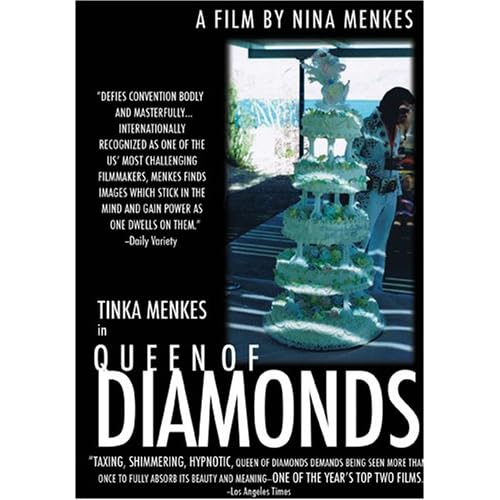
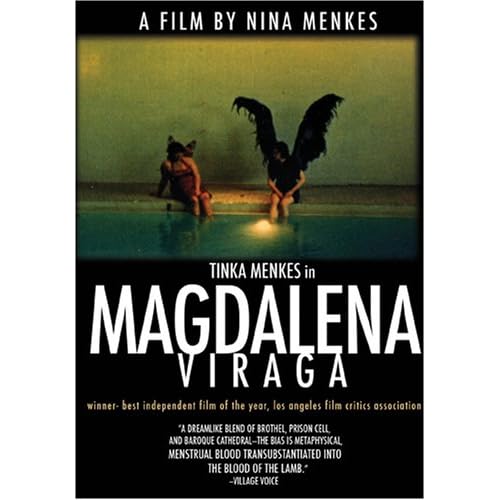
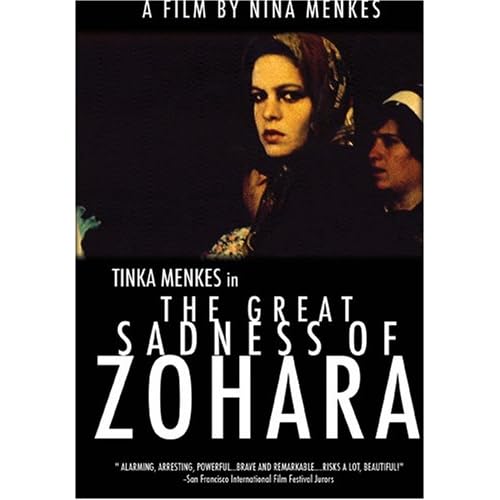
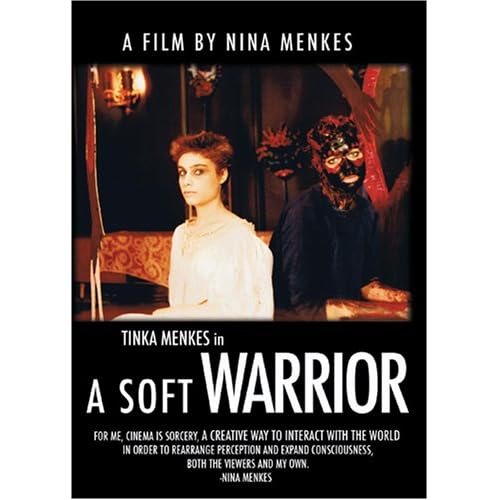
NINA MENKES' INTERVIEW IN UNSPOKEN CINEMA BLOG

Harrytuttle posted an interview with Nina Menkes in his Unspoken Cinema’s blog. Some of the questions in the interview are from me and Filmsick. You can read the interview with Harrytuttle’s introduction here:
http://unspokencinema.blogspot.com/2008/08/nina-menkes-interview.html

I also asked for Harrytuttle's permission to post the interview here, too.


1. In PHANTOM LOVE, there are very few dialogues, especially in the casino scenes. What do you think about the role of dialogue in films? Do you always use little dialogue in all your films? Would you say that this small dialogue in PHANTOM LOVE corresponds to the journey of a woman into her own self? Or maybe is it related to the alienation portrayed in your film(s)?


NM: Yes, there is very little dialogue in all my films. Some films have a bit more than others, but in general, I stay away from dialogue, because I feel that the most powerful energies in our lives, and in fact, the way we actually pick up information and feelings about ourselves and other people is not through words, but through energy and other levels of connection. Words can be powerful and meaningful, like poetry, for example, can be so moving, but just talking,chatting "dialogue"-- usually, its waste of time, in my opinion, and also, it covers up deeper levels of reality.


2. Why did you choose the heroine of PHANTOM LOVE to be an employee at a casino? Could you tell us about the inspiration that motivated this choice? I find the boring life of a casino job very interesting for at least two reasons: firstly because the casino is usually a place of excitement in most films, but in this film it is a place of extreme boredom; secondly because most filmmakers seem to portray the boredom of modern life via stereotypical characters (like for example corporate office employees), but it is different in your film. Was this contrast intentional?


NM:For me, the casino is an intense symbol of extreme alienation for a few reasons.
It is labor with no product. Basically in a casino, people are losing money as entertainment. The worker, just takes your money and you don't get anything at all. I guess you get a thrill. But actually, this thrill will pass and what did you get? Even if you buy a cheap sweater at K-mart, you got a sweater. You can wear it in case you are cold. At the casino, the money drains into the pocket of someone else and there is no return. And the casino is so outside time. In Vegas there is no natural light and no clocks inside the casinos which are open 24/7. So its hell.


To me, it's a perfect picture of hell. Visually, I like it too, because of the numbers.


The numbers are connected with Death. "His number was Up" in slang English can mean-- he was killed. Money is counted. Counting in general is from the devil…it's a known fact, that counting is connected to death. People sometimes like to know how old I am, but I don't like to count, how many days have I been on planet earth? How many days are left? This is not for us to know. The Bedouins in Sinai, where I lived for some months, years ago—they don't know when they were born, so they don't know their age. Its very liberating. The numbers constrain you, they tie you down, they limit perception. God is infinite and cannot be counted.


3. The editing in your films is most peculiar : discontinuity between places, backgrounds or positions. What is your intention? Why are the narratives in your films so fragmented in such a way?


NM:My editing is based on psychic continuity, not material or physical continuity. All the connections in terms of editing are in terms of the flow of feelings and psychic energy. I purposely dislocate the viewer in terms of physical or geographic material space and so called normal counting of minutes and time. Instead all the connections are on the psychic level.


4. I am very interested in the temporal dimension of your films, and in the universe portrayed in your film. Could you tell us about the perception of time by your characters?


NM:This connects to the above questions, in terms of counting, and time is normally "counted" is a very specific and linear way. This way of counting time and arranging time and space, which is the conventional way, is 1)not interesting to me , but more than that—I think its also not True. When I was in India some years ago, I had a dream that I was wearing two wrist watches. One on each hand. And each watch had two hands, and both of the hands, in both of watches were spinning wildly counter-clockwize. When I woke up, I told a swami, whom I met on the road, about my dream, he said-"Oh…sure…you have contacted the reality that is outside time and space."
J


SO, anyway, we have our way of organizing time for "normal life" and we need it, if we have to meet someone at 3 o'clock, okay we both have to know what is 3 o'clock, but the part of ourselves where things are happening most powerfully is not associated with these numbers. Psychoanalysts know that our adult sexual relationships are probably almost always driven by what happened when we were, say, 5 years old right? And that is alive and vibrating inside us, the Buddhists always say that past present and future are all co-existent, its obviously true.


Recently I came to Israel and one of my friends from long ago found me, we had not seen each nor talked or written each other for 20 years. This is a very special friend, but anyway, we found each other and it was as if less than 20 minutes had passed, since our last meeting. Twenty years was nothing. Zero.


My characters are located on the level of time and space where intense emotions are existing in an unadulterated state, a state not compressed by ordinary social reality.


5. In PHANTOM LOVE, it seems the spirits of different human characters are connected to different kinds of animals. What is your concept behind this?


NM:I feel very connected to the animal world.The different animals have different energies and powers. I know the Native American Indians in North America were very tuned into this aspect of life, but in our modern life we don't have so much connection to the animal world, but to me, animals are somehow sacred, they are closer to God than we are, although a friend recently told me "I am God too", not only this bird, or this tiger, but me, a man. Yes, that's true too, but somehow we are corrupted by our loss of connection to the sacred. In fact, my films are essentially and ultimately about precisely this loss of connection.


6. I feel there is something spiritual about PHANTOM LOVE. Could you tell us your personal thoughts on spirituality or about the spirituality you've put in this film?


NM:Yes, its what I was trying to say just now. There is a connection, its not feelings or intellect. There is a sacred whirlpool in the area right below or around the heart chakra, between the breasts, at least, a close friend was speaking of this whirlpool this morning and I burst into tears, I felt it was so small in me, and I pray it can become from a tiny little bud stronger and more open. My films are about loss of connection to the spiritual. And the pain that comes from that loss. The alienation in my films is ultimately about that. The spiritual alienation then vibrates on all levels. But that is the root alienation.


7. The mother-daughter relationship in PHANTOM LOVE is quite shocking for me. What inspired you this particular relation?


NM:Its an image of an incestuous relation. But it's a dream. Lulu has a dream that shows her what has happened to her on an energetic level…. that all her boundaries, her most private and the most intimate areas of herself, have been invaded and violated in a terrible way. She has to refuse this invasion.


8. Why filming PHANTOM LOVE in black-and-white rather than in colour?


NM:I don't have an answer, it was an intuition, it felt right to me. Color would have been too much. The film is so rich, it could not have in addition to the rich content, also COLOR, that would have been too much.


9. Could you tell us about your next project? What are you working on currently?


NM:I have a script called HEATSTROKE, and I hope to find the right actresses for it…..
It is about two sisters, like PHANTOM LOVE, but it is in color. I am looking for a producer for this film at this time, and I welcome any help or suggestions you might have.


Here is an official little "blurb" about my new film:


HEATSTROKE is a mirage-like mystery set in Los Angeles, California and Cairo, Egypt during the feverish heat of a contemporary summer.The film's root is a violent -- possibly sexual -- early trauma that sits in the psychic closet of two sisters .The film sets the psychic split of the sisters and the violence within their family against the violent split between the Arab world and the West.


I thank you deeply for your understanding and appreciation of my work.


--------------------------


LINK TO PURCHASE MENKES DVDS

http://www.amazon.com/s/ref=sr_nr_i_1?ie=UTF8&rs=&keywords=%26%2334%3Bnina%20menkes%26%2334%3B&rh=i%3Aaps%2Ck%3A%26%2334%3Bnina%20menkes%26%2334%3B%2Ci%3Advd


for more information:

http://www.ninamenkes.com/films


------------------------------


Thursday, March 06, 2008

THE NEGATIVE POWER OF IMAGINATION

This is my reply to Matthew Hunt in my blog:
http://celinejulie.blogspot.com/2008/03/thirteenth-poll-delightfully-demented.html


Hahaha. According to my personal taste, I can accept real sex, but I hate real killing, and I don’t normally enjoy real excrement in films.

Talking about PINK FLAMINGOS makes me think about many other things, including:

(I apologize in advance if I write anything wrong in English.)

--I like the intonation pattern of a rival of Divine in PINK FLAMINGOS very much. She speaks in very strange and expressive intonation pattern. In most films, what makes me laugh is WHAT the character speaks, but in PINK FLAMINGOS, what makes me laugh is THE WAY the character speaks.

Thinking about funny intonation patterns or funny ways of speaking, I just realized that many films in my thirteenth poll have this thing. Films which have characters talking in a funny way include:


1.I-BE AREA

In this film, there’s scene in which a character says something like, “When I was your age, I changed my name to Pasta, and that is the best decision of my life.” The sentence itself isn’t that funny, but the way the character speaks it makes this sentence AN INSTANT CLASSIC.


2.MADAME X: AN ABSOLUTE RULER

I saw this film in German with no English subtitles. I don’t understand anything the characters say. But in one scene, a character speaks a German sentence two times in incredibly funny intonation pattern. I laughed and laughed and laughed.


3.CROSS HARBOUR TUNNEL (1999, Lawrence Wong, Hong Kong)

There’s a scene in which two Filipino women quarrel. There’s no subtitle in this scene. We see and hear them quarrel loudly in some language, maybe in Tagalog. I don’t understand anything they say, but I laughed a lot for their expressive way of speaking.


4.TRASH (1970, Paul Morrissey)

I laughed a lot when I heard Jane Forth speaking in this film.


5.FAME WHORE (1998, Jon Moritsugu)

There’s a female character (Amy Davis) in this film who speaks everything in monotone.
http://www.imdb.com/title/tt0126902/


6.BUNZAI CHAIYO EPISODE II THE ADVENTURE OF IRON PUSSY

There’s a male character in this film who speaks incredibly funny broken English. This film mocks how Thai people speak English incorrectly.


7.GHOST-IN-LAW (2008, Tanit Jitnukul, Seree Phongnithi)

There’s a Thai villainess in this film who grew up abroad and speaks Thai in a very funny way.


--I guess my disgust for real excrement in PINK FLAMINGOS result from two important reasons. First, I had known before I saw the film that it was real, so I couldn’t tell myself it might be chocolate disguised as excrement or something like that. Second, I couldn’t stop my negative imagination at that time.

Normally I like my imagination. When I watch most films, I allow myself to imagine anything inspired by the films I am watching. But in some cases, the films I watch inspire me to imagine something disgusting or something painful, and that’s when I know my imagination has both good side and bad side, and I should stop my imagination when it makes me feel disgusted or painful.

For example, that excrement scene in PINK FLAMINGOS wouldn’t have made me feel disgusted if I just watched it without using my imagination. I guess my disgust is the result of my automatically negative imagination. When I was watching that scene, I automatically imagined what the excrement would taste like. If I didn’t automatically imagine anything like that, I wouldn’t have felt as disgusted as this. My tongue actually tasted nothing when I was watching that scene. My feeling of disgust is not the direct result of that scene. It’s the direct result of my own imagination.

Another example of my automatically negative imagination happened when I watched a film late last year. I’m not sure if that film is LA PURITAINE (1986, Jacques Doillon, A+) or not. In the film, a stage actress talks about her lifelong problem with her father causing by her stinking earwax. We saw no stinking earwax in the film, but her description alone could make me automatically imagine some stinking earwax in my mind, and that made me feel disgusted. In this case, too, my disgust is not the direct result of the film. This film actually has no odor coming out of it. My disgust is only the direct result of my own imagination.

--I rarely feel like vomiting when I watch a film. But I felt like vomiting one time when I was watching TOOLBOX MURDERS (2003, Tobe Hooper, A+) on a big screen. It’s the scene in which the protagonist finds herself surrounded by many rotten corpses.

Personally, this example is an interesting case for me. I think my disgust in this case is not because I think corpses are disgusting, but it is because I might empathize with the protagonist. So when I saw the protagonist feeling extremely disgusted with the corpses, I automatically felt disgusted, too. I think it is also because I watched it in a big theatre. If I saw it on a small screen, I wouldn’t have felt as strongly as this.

I think the real reason for my disgust in this case is not the corpses because when I was studying in a secondary school, my school took the students to observe a dissecting of a real corpse in Chula Hospital. I remember that I felt no disgust at all when I saw the dissecting of the corpse, and I was surprised when I found that many friends of mine couldn’t eat meat for a few days after that. It’s strange that the real corpse didn’t affect my feeling, but the fake corpses in TOOLBOX MURDERS strongly affected my feeling.

--Other cases when I try to stop my negative imagination are the times when I watch some scenes in which the characters suffer extreme pain, and I automatically empathize with those characters. I automatically imagine the pain, imagine how I would feel if I am the one who was stabbed or being tortured. That kind of imagination makes me feel painful. I am not being tortured. I just sit comfortably on a chair and watch a film. All the bad feelings are the direct result of my automatic imagination, not the direct result of what I am watching.

However, these cases don’t trouble me as much as PINK FLAMINGOS, because I know all the torture and pain in the films are fake. When I automatically experience imaginary pain like this, I just tell myself, “It’s only a move. It’s only a movie. It’s only a movie.”, and then I can bear watching the scene further. But in the case of PINK FLAMINGOS, I couldn’t tell myself like that, because I knew the excrement was real.

I also wonder why some films automatically make me suffer the imaginary pain, but some horror films which have brutal scenes don’t affect me like that. Films which automatically make me suffer the imaginary pain include PAIN (1994, Eric Khoo), SALO OR 120 DAYS OF SODOM, EXTASE DE CHAIR BRISEE (2005, Pierre-Luc Vallencourt + Frederik Maheux), and AND THE MOON DANCES (1995, Garin Nugroho), which has a scene in which the female protagonist does something with a needle. For this group of films, I had to repeat to myself that it was only a movie in order to be able to keep on watching the scene. But films such as SAW, SEE NO EVIL, or THE BEYOND (1981, Lucio Fulci), which depict some cruel things, don’t affect me like that.

Monday, February 11, 2008

TURTLES SWIM FASTER THAN EXPECTED (2005, Satoshi Miki, A+)

Coincidentally, three films I saw last weekend have interesting (disguised) pregnant women. I-BE AREA (2007, Ryan Trecartin) has a very crazy disguised pregnant character. WANDA (1970, Barbara Loden, A+) has the leading character disguised as a pregnant woman for the purpose of committing a crime, while the real pregnant character in SLEEPWALK (1986, Sara Driver, A+) is the leader of a crime gang. These (false) pregnant characters seem to carry an unusual but interesting images.

I saw WANDA and SLEEPWALK at Thammasat University Library. For the full programs of the films shown there, you can read it from the link below:
http://dkfilmhouse.blogspot.com/2008/01/blog-post.html


Mubarak Ali wrote about SLEEPWALK here:
http://supposedaura.blogspot.com/2007/06/scenes-from-parallel-life.html

I really agree with Mubarak that SLEEPWALK reminds me of Jacques Rivette’s films. Another film which reminds me of Rivette lately is TURTLES SWIM FASTER THAN EXPECTED (2005, Satoshi Miki, A+). This Japanese film has nothing resembling Rivette’s, but it reminds me of Rivette’s films because its story is about a young housewife whose daily life seems to enter a new dimension after she decided to work as a spy for another country (I think it implies North Korea here.) She doesn’t have to do any dangerous mission as a spy. She just has to carry on her daily life as usual, but now her small town which used to look very ordinary transforms into a town which is only ordinary on the surface, but full of secrets and conspiracies deep down. It reminds me of Rivette’s films because I think films like CELINE AND JULIE GO BOATING, GANG OF FOUR, UP DOWN FRAGILE, and LE PONT DU NORD also makes an ordinary-looking town, city or streets into something full of secrets or magic. While Rivette’s films put magic into daily life, TURTLES SWIM FASTER THAN EXPECTED transforms such an ordinary life into something very exciting.

Another thing I like very much in TURTLES SWIM FASTER THAN EXPECTED is the performance of Yu Aoi. I just saw her in RAINBOW SONG (2006, Naoto Kumazawa, A+), and it’s hard to believe it’s the same actress starring in both films.


--The upcoming weekend is very exciting. I hope to go to see THE VERY SHORT NEW YEAR CINE-BRATION PROGRAM at Chulalongkorn University on Friday.
http://2008shortfilmproject.exteen.com/20080122/2008-very-short-main-page
http://2008shortfilmproject.exteen.com/20071127/filmmakers


And I hope to go to see BIRTH OF THE SEANEMA (2004, Sasithorn Ariyavicha, A+++++++++++++++) for the third time this Saturday and a film by Raya Martin on Sunday. As for BIRTH OF THE SEANEMA, you can read an interview with Sasithorn by Sonthaya Subyen in Thai here:
http://filmsick.exteen.com/20080204/entry

Wednesday, February 06, 2008

BURNT BY THE FILM

FAVORITE MUSIC VIDEO

IT’S THE BEAT – Simian Mobile Disco
http://www.youtube.com/watch?v=HZPXgQSPm8A


FAVORITE SONG

REWIND – Cylob
http://www.youtube.com/watch?v=5yrA-BpWECI

SEA OF SAND – Guy Gerber + Shlomi Arber
http://www.youtube.com/watch?v=zpW_Nh6IS9U


--------------------------------------------


This is my reply to James Arter in my English blog:
http://celinejulie.wordpress.com/2008/02/05/eleventh-poll-man-on-the-verge-of-a-nervous-breakdown/

Thank you very much, James, for your comment. I totally agree with you about THE ASSASSINATION OF RICHARD NIXON. I think it is a masterpiece. Before I saw this film, I didn’t like the acting of Sean Penn in MYSTIC RIVER. I think he overacted in that film. But Sean Penn is great in THE ASSASSINATION OF RICHARD NIXON. I think Neils Mueller knows how to handle Sean Penn’s way of acting.

I agree with you that the film is great in its intensity and inner torture. Other recent American films that I think are as great as this film are MONSTER (2003, Patty Jenkins) and CAPOTE (2005, Bennett Miller), which are very intense and deal with inner torture, too. THE ASSASSINATION OF RICHARD NIXON should be as famous as MONSTER and CAPOTE. If I were an Oscar judge, I would give an Oscar for Best Picture to these three films in their years.

I also think THE ASSASSINATION OF RICHARD NIXON is like a distant cousin of Maurice Pialat’s films. The film is not like Pialat’s, but some emotions and feelings in the film remind me of some emotions in Pialat’s films.

Talking about intensity and inner torture, I also think about THE MACHINIST, which is very intense and deals with inner torture, too. But the feelings and emotions in THE ASSASSINATION OF RICHARD NIXON are much more REAL than the ones in THE MACHINIST. I think THE MACHINIST is a great film, but I can’t help thinking the style of THE MACHINIST is a little bit too much. The film is a little bit too stylish. I think I prefer THE ASSASSINATION OF RICHARD NIXON, MONSTER, CAPOTE, Maurice Pialat’s films, and Christian Petzold’s films to some stylish films.

I don’t know if I use the right English word, but I would like to describe that I feel as if I was BURNT by THE ASSASSINATION OF RICHARD NIXON. The film gives me such a strong, intense feelings that I feel as if I was burnt by the film.

------------------------------


THIS IS MY COMMENT IN SCREENOUT WEBBOARD:
http://www.xq28.org/zaa/viewtopic.php?f=5&t=79&start=100

สวัสดีค่ะพี่ KIT, คุณ Danclave, คุณ zmen, น้อง Angel และสมาชิกรุ่นดึกดำบรรพ์ของ SCREENOUT ทุกท่านค่ะ

ตอบคุณ FarawayMan

เคยดูเรื่อง “รัก/ผิด/บาป” (IN THE NAME OF SIN) แล้ว ชอบมากๆเลยค่ะ พระเอกของเรื่องนี้แสดงเป็นตัวประกอบใน “เขาชนไก่” ด้วย

คุณธัญญ์วาริน สุขะพิสิษฐ์ หนึ่งในผู้กำกับ IN THE NAME OF SIN เคยให้สัมภาษณ์ใน FUSE เล่ม 11 ที่แถมมากับนิตยสาร BIOSCOPE ฉบับเดือนตุลาคม ปี 2007 ด้วยค่ะ และคุณธัญญ์วารินได้พูดประโยคที่ดิฉันประทับใจมากๆดังต่อไปนี้:

วาทศิลป์บิณฑบาตของคุณธัญญ์วาริน

ผู้สัมภาษณ์: ปลดปล่อยอย่างไรบ้าง

ธัญญ์วาริน: โดยการแต่งหญิงไปเที่ยวกลางคืน เพราะตอนเรียนมหาวิทยาลัยก็สามารถแต่งหญิงเล่นละครได้ แต่เป็นอาจารย์เราทำไม่ได้ เราต้องแต่งตัวเป็นผู้ชาย พอเวลากลางคืนเป็นตัวเราเอง ก็ปลดปล่อยเต็มที่ บางทีไปกินเหล้ายังเจอนักเรียนเลย เขาก็รู้ว่าเราแต่งหญิงไปเที่ยว ก็แซว แต่เราไม่สนใจ เพราะหน้าที่เราไม่ได้เสียไปกับการแต่งหญิง

ผู้สัมภาษณ์: เคยหลงรักนักเรียนไหม

ธัญญ์วาริน: โอ๊ย...ประจำค่ะ เป็นแฟนกันเลยนะ เหมือนหนังที่ทำนั่นล่ะ ส่วนใหญ่มาจากชีวิตจริง บางคนถึงขั้นไปอยู่ด้วยกัน กลางวันมันไหวเรา กลางคืนเราไหว้มัน เปลี่ยนสถานะกัน ในหนังถือว่ายังน้อยนะคะ ชีวิตจริงยิ่งกว่านี้


ตอบน้อง MATT

น้อง MATT สามารถมาร่วมเป็นอีกหนึ่งดรุณีได้ทุกเมื่อค่ะ โดยพวกเรามีสมการดังต่อไปนี้

สี่ดรุณี + น้อง MATT = เบญจรงค์ห้าสี

สี่ดรุณี + คุณ SENSITIVEMAN = ขบวนการโกกุลไฟฟ์

สี่ดรุณี + BLACK FOREST = ผู้หญิงห้าบาป


Sunday, January 13, 2008

NON-NARRATIVE MOMENTS IN NARRATIVE FILMS

This is my comment in Pilgrim Akimbo’s blog:
http://pilgrimakimbo.blogspot.com/

Your writing about the walking scene in WRONG MOVE inspires me to think about something. Though what I think may not be directly related to the topic of your writing, it is still directly inspired by your writing. So I would like to share it with you.

Here is what I think:

--There are some outstanding non-narrative moments in narrative films, such as the walking scene in WRONG MOVE. Such moments may include:

1.The riding-on-a-train scene in SECRET DEFENSE (1998, Jacques Rivette), in which we only see the protagonist riding on a train for a long time. Nothing is really happening in the scene, except what the heroine may be thinking during that journey. Jared Rapfogel wrote about this important scene in Senses of Cinema.

2.Some moments in ALL THE VERMEERS IN NEW YORK (1990, Jon Jost). For the most parts, this film is like a Rohmer’s film, because it is full of characters talking naturally to each other. But some moments stand out from the film because they seem unconnected to the main story, such as the scene in which something is slowly moving across the sky, the one in which the camera just focuses on the patterns on the building floor, or the one in which the camera moves slowly between columns.

3.A blackout scene in THE BANGKOK BOURGEOIS PARTY (2007, Prap Boonpan, Thailand). This film is full of characters talking passionately and angrily to each other about the political problems of Thailand. But in the middle of the film, there is a blackout scene lasting 3-5 minutes. The viewers are forced to watch a black screen, in which nothing is to be seen, nothing is to be heard, for the whole of this scene. This scene really urges the viewers to spend the time to contemplate many things they just heard from the characters, before the debates between characters continue in the next scene.

In conclusion, I think these non-narrative moments are one of the best things in these narrative films. Some films can choose to tell stories. Some films can choose to discard stories. Some films can choose to tell story in one scene, and discard story in the next scene.


--I like walking-and-talking scenes in films very much. While the walking scene in WRONG MOVE is a part of the whole film, there are also some films which are dominated by the walking-and-talking scenes in them. These films are:

1.NIGHT TIME PICNIC (2006, Masahiko Nagasawa, Japan). In this film, a class of high-school students walk and talk for the most parts of the film. But I think this film is not a contemplative film, because there are many flashbacks and plot points in it.

2.MUSASHINO HIGH VOLTAGE TOWER (1997, Naoki Nagao, Japan, 118 minutes). In this film, two young boys keep on walking along the power lines in rural Japan. This film might be a mainstream contemplative film, because there is so very little happening in the film, except the characters’ uneventful journey. Highly impressive.

Thursday, January 10, 2008

SATANTANGO WON THE MOST VOTES

Thanks to everyone who participated in my seventh poll: LIFE IN MONO. There are 16 votes for the poll, including my vote for MYSTERIOUS OBJECT AT NOON.

This is the result:

THESE FILMS HAVE SOME OR ALL PARTS IN BLACK-AND-WHITE. WHICH FILM DO YOU LIKE?

1. SATANTANGO (1994, Bela Tarr) got 5 votes or 31 %

2. BULLET BALLET (1998, Shinya Tsukamoto)
+ PI (1997, Darren Aronofsky)
+ REGULAR LOVERS (2005, Philippe Garrel)

Each of them got 4 votes or 25 %


5. MYSTERIOUS OBJECT AT NOON (2000, Apichatpong Weerasethakul)
+ THE SADDEST MUSIC IN THE WORLD (2003, Guy Maddin)

Each of them got 3 votes or 18 %


7.BEGOTTEN (1991, E. Elias Merhige)
+ FALLEN (2005, Fred Kelemen)
+ PHANTOM LOVE (2007, Nina Menkes)
+ TREASURE ISLAND (1999, Scott King)

Each of them got 2 votes or 12 %


11. THE HOURS AND TIMES (1991, Christopher Munch)
+ INSTITUTE BENJAMENTA (1995, Brothers Quay)
+ NO PLACE TO GO (2000, Oskar Roehler)
+ PALMS (1993, Artur Aristakisyan)
+ PLEASANTVILLE (1998, Gary Ross)
+ RIGHT NOW (2004, Benoit Jacquot)

Each of them got 1 vote or 6 %


17. CRY IN SILENCE (2006, J. G. Biggs)
+ HEREMIAS (2006, Lav Diaz)
+ HUNT ANGELS (2006, Alec Morgan)
+ LOOK OF LOVE (2006, Yoshiharu Ueoka)

Each of them got zero vote.


I’m very glad many people love SATANTANGO. I like this film very much. I just watched it on December 31, 2007. I watched REGULAR LOVERS on January 1, 2008. It’s hard for me to say which film I prefer between these two. There’s no need to compare them, anyway. I think SATANTANGO shows me the power of CINEMA and the power of STYLISTIC CHOICES, whereas REGULAR LOVERS shows me the power of LIFE. I much enjoyed REGULAR LOVERS while I was watching it, but the film doesn’t stick in my mind as strongly as SATANTANGO. Comparing to other films by Philippe Garrel, I think I like REGULAR LOVERS less than THE BIRTH OF LOVE and THE PHANTOM HEART. Maybe it is because the protagonists in REGULAR LOVERS haven’t experienced many things in life yet. Comparing to other films by Bela Tarr, I prefer SATANTANGO to DAMNATION, WERCKMEISTER HARMONIES, and THE MAN FROM LONDON.

I am gladly surprised that BULLET BALLET got many votes. I like this film very much, but I haven’t heard many people talk about this film.

Judging on cinematography alone, I like INSTITUTE BENJAMENTA the most.