Friday, March 07, 2008

IMAGINING SCREENOUT MEMBERS AS "FEMALE AGENTS"

This is my comment in Screenout Webboard:
http://www.xq28.org/zaa/viewtopic.php?f=5&t=79&st=0&sk=t&sd=a&start=150

ตอบคุณ princegent

ใช่แล้วค่ะ น้องกลมน่ารักมากๆเลย น่าเสียดายที่บทของเขาใน “สะใภ้บรื๋อ” ไม่เปิดโอกาสให้เขาได้ขายความสามารถทางการแสดงหรือขายเรือนร่างสักเท่าไหร่ แต่แค่นี้เขาก็ดูน่ารักมากๆแล้ว


--ภารกิจใหม่ของ “สี่ดรุณีและแขกรับเชิญกิตติมศักดิ์”

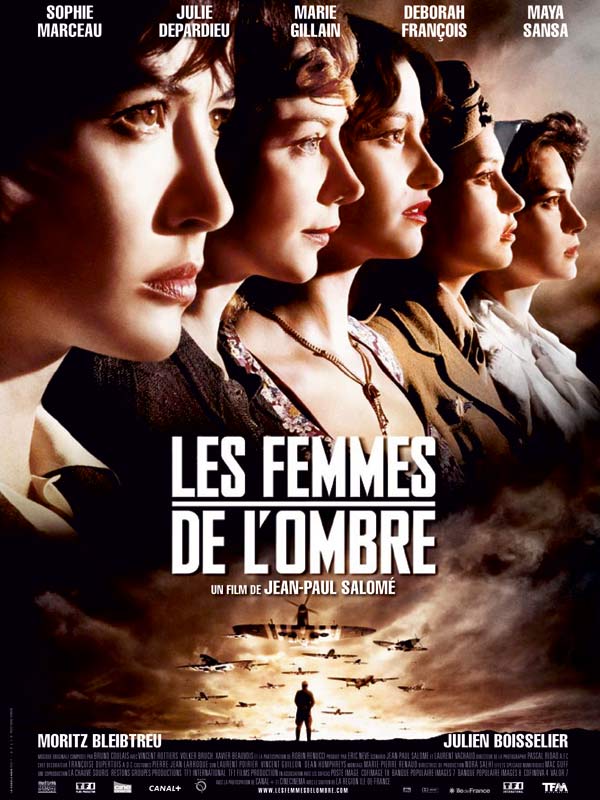
ตอนนี้ สี่ดรุณีและคุณ SENSITIVEMAN ได้ร่วมกันแสดงหนังใหม่เรื่อง FEMALE AGENTS (2008, Jean-Paul Salome) ซึ่งมีเนื้อหาเกี่ยวกับสายลับสาวต่อต้านนาซีในช่วงสงครามโลกครั้งที่สอง โดยมีรายนามผู้แสดงดังต่อไปนี้
http://www.variety.com/review/VE1117936403.html?categoryid=31&cs=1

IMAGINARY ROLE PLAYS FOR SOME SCREENOUT MEMBERS

FEMALE AGENTS (2008, Jean-Paul Salome)
http://farm3.static.flickr.com/2317/2316132101_ea2a9ff075_o.jpg

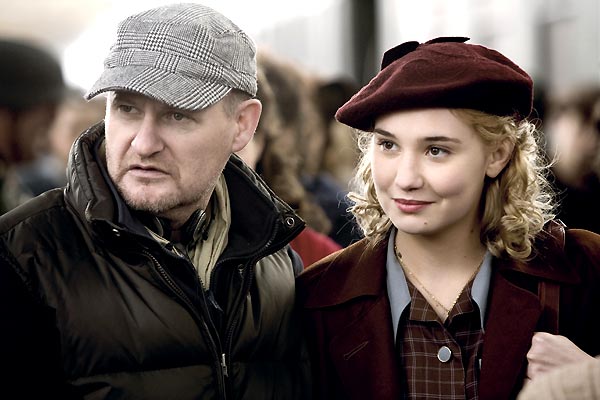
1.KICHO = โสเภณีสาวกร้านโลก TOUGH PROSTITUTE (Julie Depardieu from LE PASSAGER)
http://farm3.static.flickr.com/2181/2316132099_01f7708cea_o.jpg

2.OLIVER = LOVELORN SHOWGIRL (Marie Gillain from L’APPAT)
http://farm3.static.flickr.com/2118/2316132103_a4afc9e7ff_o.jpg

3.SENSITIVEMAN = COUNTESS MARIA LUZZATO (Maya Sansa from THE BEST OF YOUTH)
http://farm4.static.flickr.com/3156/2316132105_488f84e872_o.jpg

4.NOINONG = GANG LEADER (Sophie Marceau)
http://farm4.static.flickr.com/3234/2316132093_795166b1f6_o.jpg

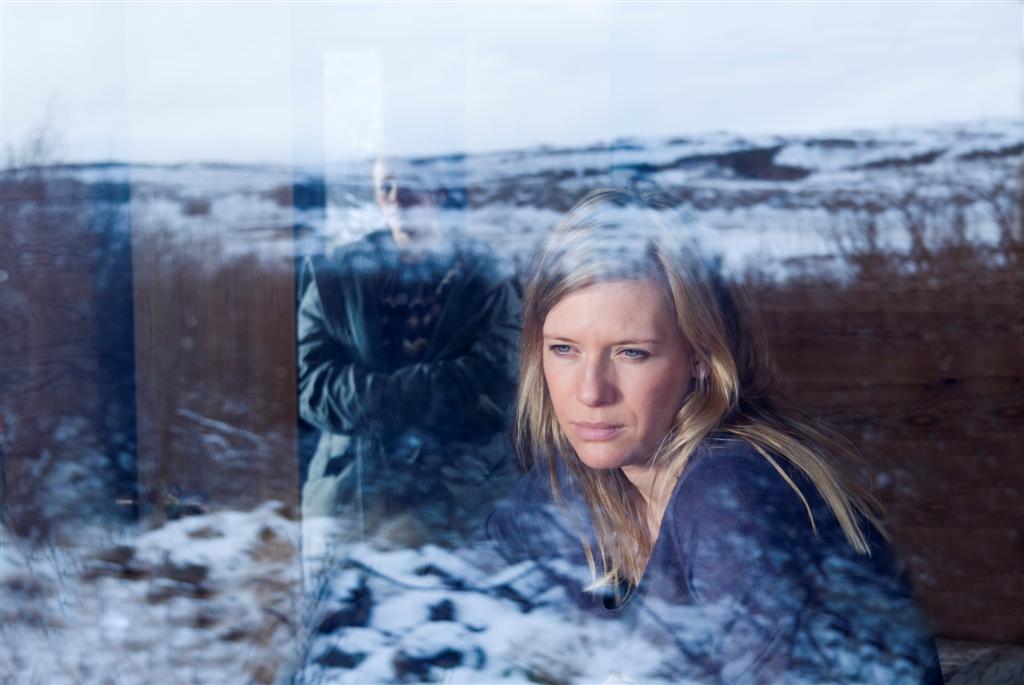
5.MDS = EXPLOSIVES EXPERT (Deborah Francois from THE PAGE TURNER)
http://farm4.static.flickr.com/3253/2316132097_d963e7c73a_o.jpg


FILM WISH LIST FOR FEBRUARY 2008

I don’t know if these films are good or not. I’m just curious about them after reading some information about them.

The information for some films below is copied from the Berlin Film Festival’s website:


1.ENDO (2007, Jade Castro, Philippines)
This film is mentioned in Raya Martin’s blog and it is in Oggs Cruz’s list.
http://cinematografica.wordpress.com/
http://oggsmoggs.blogspot.com/2007/12/cinematic-highlights-of-2007.html
http://oggsmoggs.blogspot.com/2007/07/endo-2007.html

This is the trailer of the film.
http://www.youtube.com/watch?v=FMIb6oZ9B6c

Jason Abalos stars in it.
http://filipinohunks.blogspot.com/2006/10/jason-abalos.html


2.EZRA (2007, Newton I. Aduaka, Nigeria)
http://festival.sundance.org/2007/insider/feature5.html


3.FORBIDDEN LIE$ (2007, Anna Broinowski, Australia)
http://www.imdb.com/title/tt0790808/
This film is in Adrian Martin’s list.
http://www.anotacoescinefilo.blogger.com.br/2007_12_02_archive.html


4.GRANDMOTHER’S FLOWER (2007, Mun Jeong-hyun, South Korea, 90 min)
http://www.berlinale.de/en/programm/berlinale_programm/datenblatt.php?film_id=20081137

“Reading the diaries of his great uncle, whom he had only known as a spooky, psychically disturbed old man, Mun Jeong-hyun comes across an unexpected series of family tragedies, which reflect Korean history in the 20th century: Japanese colonial oppression, division, war, emigration, discrimination abroad, and a political blindness that splits society deep in two. Sometimes the film even takes slight comic turns – for instance when Mun questions his parents about their attitude toward political and social topics and father and mother express fundamentally diverging points of view. In his conversations with his mother, however, devastating facts come to light, facts that caused his grandmother – who was treated as equally responsible for the activities of her husband and his brothers – to suffer more than anyone. Her home town is still invisibly divided into the upper section, middle-class villagers, who after the colonial period aligned themselves with the side of the left, and the lower section, working class, who stood on the side of the right. Both sides deny responsibility for any atrocities, which the film tactfully illustrates by means of animated sequences. The depth of Mun’s shock about his family’s involvement in the bloody history of Korea is met with the sobriety and level-headedness of his work. He leaves no doubt that his family history does not merely represent an individual catastrophe, but a common one. Christoph Terhechte”


5.FLIPPING OUT (2007, Yoav Shamir, Israel)
http://www.berlinale.de/en/programm/berlinale_programm/datenblatt.php?film_id=20080889

“Following their military service, many young Israeli soldiers retreat to northern India. There they spend their end-of-service bonus on drugs of all kinds. High up in the mountains they sit in front of gigantic hookahs, enjoying the view or dancing round the clock. But very few of them seem to be able to relax. The young Israelis tell of their deployment in the occupied territories almost mechanically and usually unreflectively, but their memories catch up on them. Some of them even suffer from hallucinations and psychotic episodes. But the Israeli state has provided for them – there are therapeutic support centers, the orthodox offer round table talks, and a former Mossad agent takes care of the especially difficult cases. He brings those who have flipped out back into the fold. Yoav Shamir’s documentary paints an indirect portrait of a society that is under permanent strain and doesn’t know how to vent the pressure. When the rainy season comes to northern India, the whole community travels to Goa – including the Mossad agent and the therapists. Anke Leweke”


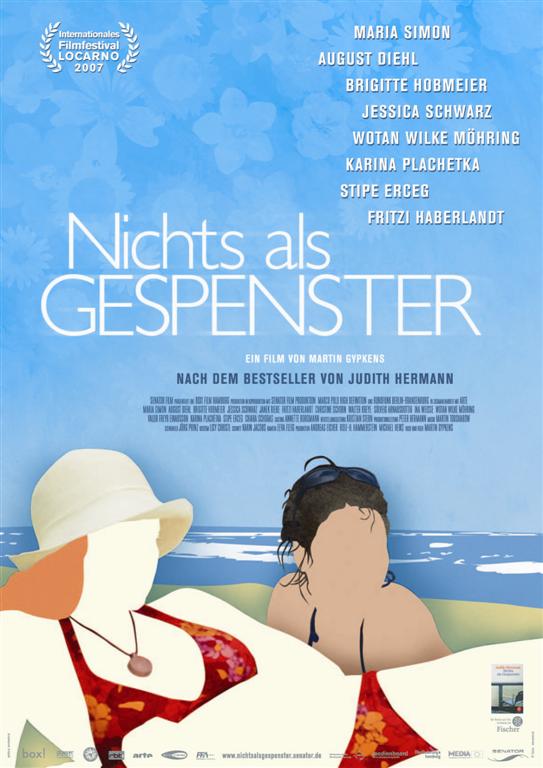
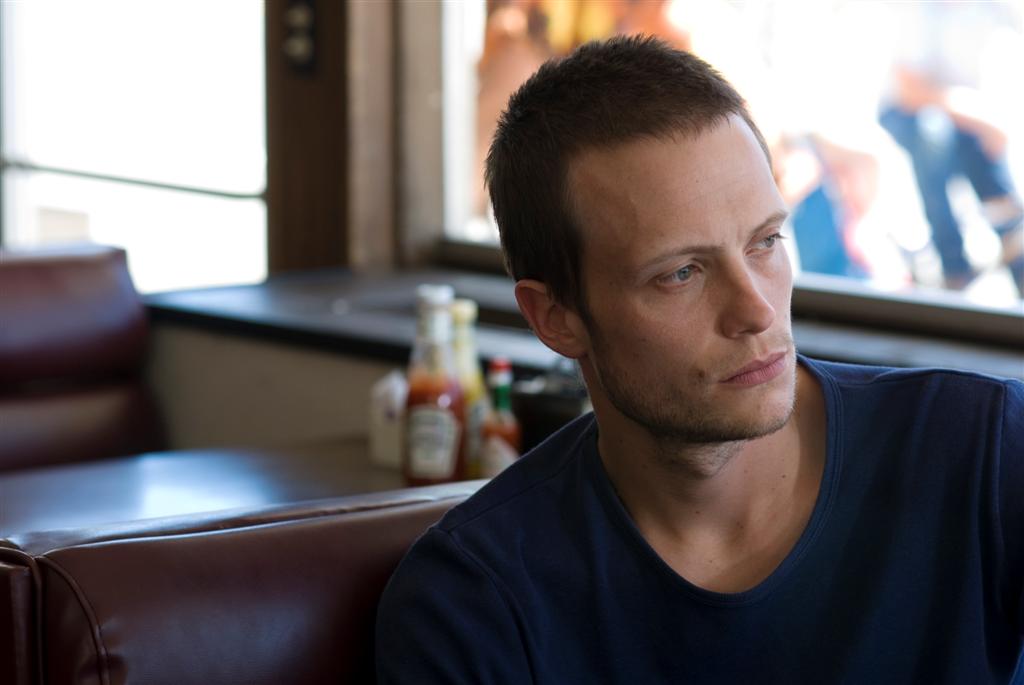
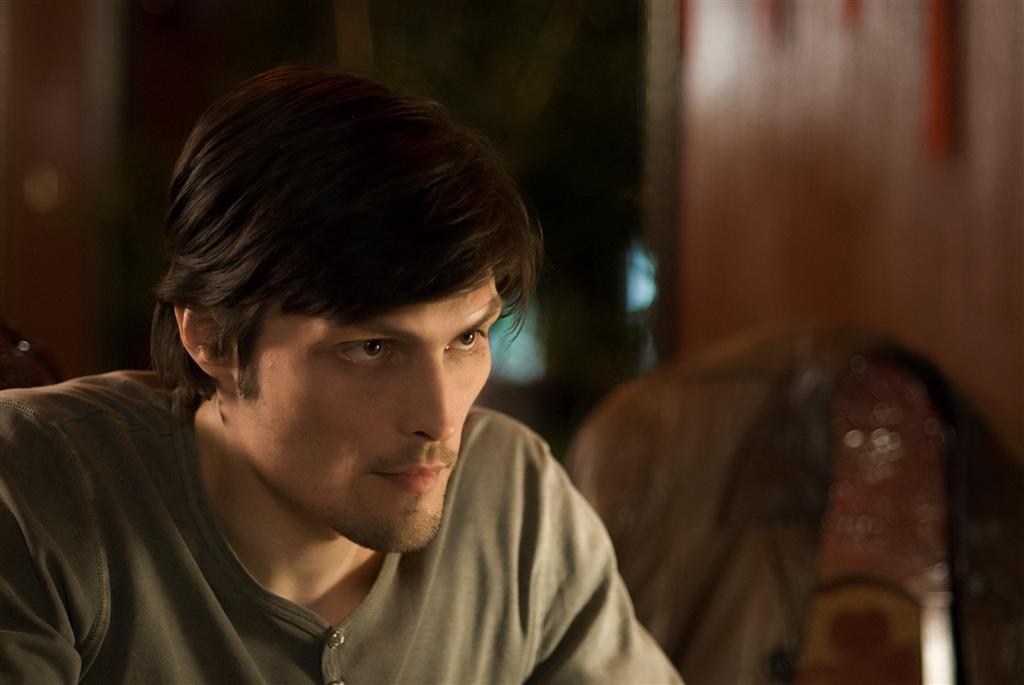
6.NOTHING BUT GHOSTS (2006, Martin Gypkens, Germany, 129 min)
http://www.imdb.com/title/tt0803047/
This film is in Olaf Moller’s list.
http://www.sensesofcinema.com/contents/08/46/2007-world-poll-2.html#Moller

Images from the film:
http://farm3.static.flickr.com/2140/2316842450_69e11ce71e_o.jpg
http://farm4.static.flickr.com/3268/2316842454_8abc50a962_o.jpg
http://farm3.static.flickr.com/2314/2316842458_b7b94e728d_o.jpg
http://farm3.static.flickr.com/2241/2316842460_1e004d3f6b_o.jpg
http://farm4.static.flickr.com/3123/2316842464_7c444b3602_o.jpg
http://farm3.static.flickr.com/2295/2316842466_8f57e527aa_o.jpg


7.SEAVIEW (2008, Paul Rowley, Nicky Gogan, Ireland, 82 min)
http://www.youtube.com/watch?v=QhzDr8D8oDY

http://www.berlinale.de/en/programm/berlinale_programm/datenblatt.php?film_id=20080334

“In the postwar period, exactly 60 years ago, the seaside holiday camp Mosney was founded in Ireland to give families a temporary refuge from their everyday life. Today the place is used for another kind of place of refuge: as a home for asylum seekers, most of whom remain there for several years. “Passages are houses or walkways that have no outside – like a dream.” says Walter Benjamin in the “Passagenwerk”. Inside the low grey buildings is a completely equipped world of entertainment. The camera wanders dreamily through the abandoned dance hall, an empty swimming pool, through dining halls, children’s play areas, along the slot machines, colorful plastic decorations, neon signs touting fish & chips. Each time before it once again stops in front of a door marked “Push Bar to Open,” other spaces open up: mattrasses and bedding stacked up to the ceiling, second hand shopping clothes and shopping turn the dream into a nightmare, without transition and in unchanged pastel tones. “The new business,” is how one employee refers to the change from tourism to directing a refugee camp with a seaview. At least the children have the possibility of getting education and a creative shape to their everyday life. But the stories of their parents, who came from Nigeria, Somalia, Russian, or Croatia with quite different expectations, thwart the smooth pans again and again. Stefanie Schulte Strathaus”


8.SOUTH MAIN (2008, Kelly Parker, USA, 77 min)
http://www.berlinale.de/en/programm/berlinale_programm/datenblatt.php?film_id=20080154

“In order to contain violence on the streets and rampant gang crime, city authorities decided in December 2004 to clear out and tear down one complete apartment block in South Central Los Angeles. The inhabitants, living below the poverty line and dependent on state support, received compensation and had to move on short notice. The film follows three African-American women, all of them single mothers, in their lives at their new homes. Latisha relates how her fiancé was killed on his way home in a random shooting shortly before the move. The film gives her a full ten minutes to describe the inconceivable. It is a scene of great intensity that brings the filmmaker’s attitude to a point: being there, listening, noticeably letting the time go by. No lurid wallowing in myths of the ghetto, no conjuring up of the “social powder-keg,” no social kitsch, but instead a participatory, exact view, concentrating on the women themselves. Precise, strictly framed images result from this, which neither accuse us nor appeal to us, but that simply show. Images from the underclass, telling of poverty and the precarious living conditions on the social periphery. Images from America at the beginning of the 21st century. Birgit Kohler”


9.TEA (2007, Hanna Antonina Wojcik-Slak, Slovenia, 87 min)
http://www.youtube.com/watch?v=G0IqDb93Uew

Wojcik-Slak directed BLIND SPOT (2002, A+++++++++++++++), which was shown in Bangkok in 2005.


10.WHEN TIMAWA MEETS DELGADO (2008, Ray Gibraltar, Philippines)

This film is mentioned in Raya Martin’s blog, and it is reviewed in Lilok Pelikula’s blog:
http://lilokpelikula.wordpress.com/

This clip from the film is highly recommended:
http://youtube.com/watch?v=JWEKhnvYsUU

This is the synopsis of the film from youtube:

“This unconventional story revolves around the unconventional lives of JUN DELGADO and RUBEN TIMAWA and their American dream.

Jun Delgado, on one hand is a self-proclaimed filmmaker whose parents and siblings are already in America, decides to enroll in nursing after breaking up with his girlfriend who is pestering him to do something with his life, to earn money, and live a normal life. Delgado also dabbles into video coverage of weddings, baptisms, and funerals, and pornography to earn his living.

Ruben Timawa, on the other hand is a gay literature teacher and a Palanca award-winning writer, decides to enroll in nursing when the object of his desire, a supposed to be rabid leftist leaning street activist, went to America. The only way for Timawa to go to America is to become a nurse first.

The two meet at the College of Nursing dean's office. And this meeting opens worlds of possibilities for these two losers.”

---------------------------

Film wish list for Jan 2008
http://celinejulie.blogspot.com/2008/02/film-wish-list-for-jan-2008.html

Film wish list in 2007
http://celinejulie.blogspot.com/2008/01/film-wish-list-many-months-ago.html


VASAN SITTHIKET:"SHIT IS BEAUTY. SHIT IS VIRTUE. SHIT IS THE TRUTH."

I apologize if my writing has been smelling badly lately. Anyway, writing about some scatological subjects in some posts below reminds me of one of the funniest films I saw last year. It’s TO REACH THE MARS (Vasan Sitthiket, Thailand, A+++++). In this film (or video), we see a guy trying to create an advertisement for a detergent with the brand name “SHIT”. And we see some advertising slogans he wrote on paper. I think he wrote about 10 slogans, and they were very funny, and I laughed a lot. But I regret I didn’t note down all these slogans. I couldn’t remember most of them now. Did anyone see this film and can still remember some slogans written in this flm? If you can remember the slogans or the sentences in this film, please tell me. I would greatly appreciate it.

If I don’t remember it wrongly, the slogans Vasan Sitthiket wrote in TO REACH THE MARS include:

1.SHIT IS BEAUTY

2.SHIT IS VIRTUE

3.SHIT IS THE TRUTH.
…

After he had written about ten sentences, he kept repeating the words shit shit shit shit shit…and turned himself around and around. It is one of the funniest scenes I saw last year.

Though we hear and see the word “shit” many times in TO REACH THE MARS, it doesn’t cause any disgust in the viewers, because in this case we know that the word “shit” here is really metaphorical. I think it stands for bad commercial products which are deceptively promoted or advertised as very good things.

BANGKOK EXPERIMENTAL FILM FESTIVAL'S OUTLINE

This is a press release from the Bangkok Experimental Film Festival

The 5th Bangkok Experimental Film Festival
The More Things Change … 25-30 March, 2008


BEFF 5 PROGRAM OUTLINE – Draft 27 FEB 08

Curator’s Introduction

BEFF 5 will showcase new experimental film and video work from Thailand and around the world. Our open call for submissions attracted over 380 submissions, ranging in length from a couple of minutes to a couple of hours. We were thrilled that over 140 works were submitted by Thai artists and filmmakers.

Although we will screen both Thai and international work, BEFF 5’s core program responds directly to Thailand’s cultural and political reality. This work offers a refreshing, innovative and critical reflection on contemporary Thai society.

BEFF 5 is not a hard-core ‘experimental film’ program, but rather a platform for a wide range of alternative screen culture, including artists’ films, video art and animation, independent short films and experimental documentaries.

The program is divided into 7 sub-programs, as follows. All times are approximate; and the venue info here is provisional at this stage (to be confirmed).


1. The More Things Change (core program)

The central theme of BEFF 5 (The More Things Change …) reflects two strong themes in recent Thai screen culture: first, a concern with the imagery of everyday life; and second, a focus on the political turmoil that has gripped the country since the fall of the Thaksin administration in late 2006. In the core BEFF 5 program, these two themes are interwoven.

Governments come and go, but the spiritual, biological and seasonal cycles of daily life go on. The Thai people seem to take political upheaval in their stride. Yet the uncertainty affects everyone, subtly changing the rhythms of work and play, in the city and the countryside. What is the relationship between the cycles of everyday life and the repeating patterns of politics?

3 programs; approx. 90mins each; mostly Thai
@ all venues


2. Walee Ra-Ruen / fluid dynamics

This section conjures up the ancient symbolism of water. A poetic program of films will explore the metaphor of water as a medium – the medium of life, of health, but also of contagion; a channel for the exchange of goods and people, of new ideas, of hopes and blessings. This program will be screened as part of BEFF 5’s opening night event, on and beside the Chao Phraya River.

1 program; approx. 1 hr; Thai and International
@ Gallery VER, Klong San


3. Media Art & Animation

Bold, playful and often abstract, this showcase of media art, animation and abstract video work will explore the boundaries of these media. All over the world, artists are using new media to express themselves. At the same time, many are investigating the media tools that shape modern life so powerfully, and how these media shake up the histories of art, film and television.

2 programs; approx. 1 hr each; Thai and International
@ Gallery VER, The Alliance Française, Bangkok, Jim Thompson House (library)


4. Mobile Ciné

A roaming program of guerrilla screenings will take place in public space, leaking alternative dreams into the concrete jungle. Under the direction of conceptual artist and cinéphile Pratchaya Phinthong, the mobile ciné will take experimental film where it has never been before. Works will be drawn from the 3 sub-programs above, and supplemented with Pratchaya’s own selections.

1 program; duration variable; Thai and International
@ various locations, central Bangkok


5. BEFF 5 International Harvest: experimental film & video from around the world

A showcase of new experimental film and video work harvested from around the world. This will include Special Programs put together by guest curators – one from Germany (supported by the Goethe Institute) and one from Australia (supported by MAAP-Multimedia Art Asia Pacific).

4 programs; approx. 90mins each; mostly International
@ Alliance Française, Gallery VER, Jim Thompson House (library)


6. Doco-Loco

Documentary film has also been challenged by the changing media landscape. In the era of digital mobile devices, webcams and reality TV, the documentary has strayed from its traditional function of recording truth, and has been reborn with a new sense of adventure, flirting with fiction and ambiguity. This program spans conventional documentary work and newer, experimental forms.

3 programs; approx. 90mins each; Thai and International
@ Alliance Française, Jim Thompson House (library)


7. Thai Buffet

A special feast of independent and experimental films by Thai filmmakers, curated by Thunska Pansittivorakul for ThaiIndie and Chalida Uabumrungjit for the Thai Film Foundation. This sub-program will bring the work of emerging artists into focus, alongside some landmarks in Thai film history. Includes a premiere screening of new work by Thai illustrator and animator Lolay (Thaweesak Srithongdee).

3-4 programs; approx. 1 hr each; mostly Thai
@ Alliance Française, Jim Thompson House (library)

Thursday, March 06, 2008

OPEN YOUR EYES -- INSIGMA

FAVORITE SONG

OPEN YOUR EYES – INSIGMA
http://www.youtube.com/watch?v=VEzD35jzfJk

THE CHEST TO BEQUEATH (2007, Ly Hoang Ly, A+++++)

This is my comment in Merveillesxx’ blog:
http://www.bloggang.com/viewdiary.php?id=merveillesxx&month=03-2008&group=9&date=06&gblog=14

I’m glad you like THE CHEST TO BEQUEATH (2007, Ly Hoang Ly, Vietnam, A+++++). I like it very much. I think this video lasts about 40 minutes. I think the first half of it is interesting. It allows us to watch the process of making this artwork. But the second half of it has nothing special. However, since this is a video installation in a gallery, I can accept the fact that the video can have some boring parts, because I can walk away from the video to see other artworks in the gallery. If I have to watch this video in its entirety in a theater, I wouldn’t give it “A+++++” like this.

As for FORGET (2007, Suchada Sirithanawuddhi, video installation, A+/A), it accidentally reminds me of WHEN THE MOVIE LISTENS (2007, Tulapop Saenjaroen, A+) and reminds me that I’m a sexist. I know that these two artworks are very different, but FORGET reminds me of WHEN THE MOVIE LISTENS because in one of the three screens showing this video, we saw a woman acting as if she is attentively listening to other people. That screen reminds me of WHEN THE MOVIE LISTENS. However, somehow I think FORGET doesn’t captivate my attention as strongly as WHEN THE MOVIE LISTENS, and I have to admit that an important reason for this is because I enjoy watching Tulapop’s face much more than the woman’s face in FORGET. Hahaha.

THE NEGATIVE POWER OF IMAGINATION

This is my reply to Matthew Hunt in my blog:
http://celinejulie.blogspot.com/2008/03/thirteenth-poll-delightfully-demented.html


Hahaha. According to my personal taste, I can accept real sex, but I hate real killing, and I don’t normally enjoy real excrement in films.

Talking about PINK FLAMINGOS makes me think about many other things, including:

(I apologize in advance if I write anything wrong in English.)

--I like the intonation pattern of a rival of Divine in PINK FLAMINGOS very much. She speaks in very strange and expressive intonation pattern. In most films, what makes me laugh is WHAT the character speaks, but in PINK FLAMINGOS, what makes me laugh is THE WAY the character speaks.

Thinking about funny intonation patterns or funny ways of speaking, I just realized that many films in my thirteenth poll have this thing. Films which have characters talking in a funny way include:


1.I-BE AREA

In this film, there’s scene in which a character says something like, “When I was your age, I changed my name to Pasta, and that is the best decision of my life.” The sentence itself isn’t that funny, but the way the character speaks it makes this sentence AN INSTANT CLASSIC.


2.MADAME X: AN ABSOLUTE RULER

I saw this film in German with no English subtitles. I don’t understand anything the characters say. But in one scene, a character speaks a German sentence two times in incredibly funny intonation pattern. I laughed and laughed and laughed.


3.CROSS HARBOUR TUNNEL (1999, Lawrence Wong, Hong Kong)

There’s a scene in which two Filipino women quarrel. There’s no subtitle in this scene. We see and hear them quarrel loudly in some language, maybe in Tagalog. I don’t understand anything they say, but I laughed a lot for their expressive way of speaking.


4.TRASH (1970, Paul Morrissey)

I laughed a lot when I heard Jane Forth speaking in this film.


5.FAME WHORE (1998, Jon Moritsugu)

There’s a female character (Amy Davis) in this film who speaks everything in monotone.
http://www.imdb.com/title/tt0126902/


6.BUNZAI CHAIYO EPISODE II THE ADVENTURE OF IRON PUSSY

There’s a male character in this film who speaks incredibly funny broken English. This film mocks how Thai people speak English incorrectly.


7.GHOST-IN-LAW (2008, Tanit Jitnukul, Seree Phongnithi)

There’s a Thai villainess in this film who grew up abroad and speaks Thai in a very funny way.


--I guess my disgust for real excrement in PINK FLAMINGOS result from two important reasons. First, I had known before I saw the film that it was real, so I couldn’t tell myself it might be chocolate disguised as excrement or something like that. Second, I couldn’t stop my negative imagination at that time.

Normally I like my imagination. When I watch most films, I allow myself to imagine anything inspired by the films I am watching. But in some cases, the films I watch inspire me to imagine something disgusting or something painful, and that’s when I know my imagination has both good side and bad side, and I should stop my imagination when it makes me feel disgusted or painful.

For example, that excrement scene in PINK FLAMINGOS wouldn’t have made me feel disgusted if I just watched it without using my imagination. I guess my disgust is the result of my automatically negative imagination. When I was watching that scene, I automatically imagined what the excrement would taste like. If I didn’t automatically imagine anything like that, I wouldn’t have felt as disgusted as this. My tongue actually tasted nothing when I was watching that scene. My feeling of disgust is not the direct result of that scene. It’s the direct result of my own imagination.

Another example of my automatically negative imagination happened when I watched a film late last year. I’m not sure if that film is LA PURITAINE (1986, Jacques Doillon, A+) or not. In the film, a stage actress talks about her lifelong problem with her father causing by her stinking earwax. We saw no stinking earwax in the film, but her description alone could make me automatically imagine some stinking earwax in my mind, and that made me feel disgusted. In this case, too, my disgust is not the direct result of the film. This film actually has no odor coming out of it. My disgust is only the direct result of my own imagination.

--I rarely feel like vomiting when I watch a film. But I felt like vomiting one time when I was watching TOOLBOX MURDERS (2003, Tobe Hooper, A+) on a big screen. It’s the scene in which the protagonist finds herself surrounded by many rotten corpses.

Personally, this example is an interesting case for me. I think my disgust in this case is not because I think corpses are disgusting, but it is because I might empathize with the protagonist. So when I saw the protagonist feeling extremely disgusted with the corpses, I automatically felt disgusted, too. I think it is also because I watched it in a big theatre. If I saw it on a small screen, I wouldn’t have felt as strongly as this.

I think the real reason for my disgust in this case is not the corpses because when I was studying in a secondary school, my school took the students to observe a dissecting of a real corpse in Chula Hospital. I remember that I felt no disgust at all when I saw the dissecting of the corpse, and I was surprised when I found that many friends of mine couldn’t eat meat for a few days after that. It’s strange that the real corpse didn’t affect my feeling, but the fake corpses in TOOLBOX MURDERS strongly affected my feeling.

--Other cases when I try to stop my negative imagination are the times when I watch some scenes in which the characters suffer extreme pain, and I automatically empathize with those characters. I automatically imagine the pain, imagine how I would feel if I am the one who was stabbed or being tortured. That kind of imagination makes me feel painful. I am not being tortured. I just sit comfortably on a chair and watch a film. All the bad feelings are the direct result of my automatic imagination, not the direct result of what I am watching.

However, these cases don’t trouble me as much as PINK FLAMINGOS, because I know all the torture and pain in the films are fake. When I automatically experience imaginary pain like this, I just tell myself, “It’s only a move. It’s only a movie. It’s only a movie.”, and then I can bear watching the scene further. But in the case of PINK FLAMINGOS, I couldn’t tell myself like that, because I knew the excrement was real.

I also wonder why some films automatically make me suffer the imaginary pain, but some horror films which have brutal scenes don’t affect me like that. Films which automatically make me suffer the imaginary pain include PAIN (1994, Eric Khoo), SALO OR 120 DAYS OF SODOM, EXTASE DE CHAIR BRISEE (2005, Pierre-Luc Vallencourt + Frederik Maheux), and AND THE MOON DANCES (1995, Garin Nugroho), which has a scene in which the female protagonist does something with a needle. For this group of films, I had to repeat to myself that it was only a movie in order to be able to keep on watching the scene. But films such as SAW, SEE NO EVIL, or THE BEYOND (1981, Lucio Fulci), which depict some cruel things, don’t affect me like that.
Tuesday, March 04, 2008

CLICK (2006) VS. JEANNE DIELMAN

This is my comment in Filmsick’s blog:
http://filmsick.exteen.com/20080303/jeanne-dielman-23-quai-du-commerce-1080-bruxelles

--ขอบคุณมากๆค่ะที่เขียนถึงหนังเรื่องนี้ได้อย่างดีมากๆ ส่วนตัวดิฉันเองนั้น ต้องขอขอบคุณน้องเต้อย่างมากๆด้วยที่ให้ดีวีดีเรื่องนี้มา

--สำหรับดิฉันเองนั้น หลังจากดูหนังเรื่องนี้แล้ว รู้สึกว่าตัวเองถูกผี Delphine Seyrig เข้าสิงอยู่ระยะหนึ่ง เพราะก่อนหน้านั้นดิฉันมักจะเบื่อหน่ายกับการทำกิจวัตรประจำวัน และมักจะอยากผ่านช่วงเวลาแบบนี้ไปเร็วๆแบบพระเอกหนังเรื่อง CLICK (2006, Frank Coraci, A-/B+) หรือไม่งั้นดิฉันก็มักจะใจลอยเวลาทำกิจวัตรประจำวัน มักจะนึกถึงเรื่องโน้นเรื่องนี้ไปเรื่อยๆ แต่หลังจากดู JEANNE DIELMAN แล้ว ดิฉันกลับพบว่าตัวเองมีสมาธิสูงมากในการทำกิจวัตรประจำวัน และรู้สึกมีความสุขกับการทำกิจวัตรประจำวันอย่างมาก (ตัวละครใน JEANNE DIELMAN อาจจะไม่มีความสุขสักเท่าไหร่กับการทำกิจวัตรประจำวัน แต่หนังเรื่องนี้กลับทำให้ดิฉันรู้สึกมีความสุขกับการทำกิจวัตรประจำวันด้วยลีลาสง่างาม)

--ในนิตยสาร FILM COMMENT เล่มเดือน JAN/FEB 2008 มีบทความเกี่ยวกับ Delphine Seyrig ที่เขียนโดย Joe Milutis โดยบทความนี้ตั้งข้อสังเกตว่า Delphine Seyrig อาจถือได้ว่าเป็นดาราหนังเงียบคนสุดท้าย เพราะถึงแม้เธอจะเล่นหนังเสียง แต่บทของเธอมักจะพูดน้อยมาก หรือไม่ก็บทของเธอจะเกี่ยวข้องกับ “ภาพ” และ “เสียง” ที่ไม่สัมพันธ์กัน ตั้งแต่ใน PULL MY DAISY (1959, Robert Frank), LAST YEAR AT MARIENBAD, INDIA SONG, JEANNE DIELMAN และรวมถึง ACCIDENT (1967, Joseph Losey)

--J. Hoberman wrote about JEANNE DIELMAN in the book THE VILLAGE VOICE FILM GUIDE. This is a quote from Hoberman’s article:

“Obviously, JEANNE DIELMAN has its European precursors as well. The best known is Straub-Huillet’s CHRONICLE OF ANNA MAGDALENA BACH, but there’s also the Hamburg-based avant-gardist Hellmuth Costard’s THE OPPRESSION OF WOMAN IS PRIMARILY EVIDENT IN THE BEHAVIOR OF WOMEN THEMSELVES, an hour-long film of a male hippie doing a housewife’s chores. But whether Akerman was inspired, influenced, or just anticipated by Costard is moot. JEANNE DIELMAN is the film that changed the face of contemporary European cinema.”

--Manny Farber and Patricia Patterson wrote about JEANNE DIELMAN in an important article KITCHEN WITHOUT KITSCH, which is included in the book NEGATIVE SPACE. Here are some quotes from the article:

“The images of the wife and daughter waiting at the dinner table for Hans to come home in Fassbinder’s THE MERCHANT OF FOUR SEASONS had the same visual stillness and handsomeness containing suppressed nerves at the dinner table as the scenes with mother and son in Chantal Akerman’s JEANNE DIELMAN, 23 QUAI DE COMMERCE, 1080 BRUXELLES: the same sparsity of dialogue, phrases like “Isn’t the beef better this week than last, I added less water this time” or “Don’t read at the table” or “I’ve received a letter from Aunt Fernande in Canada.” Each of Jeanne’s isolated remarks is responded to by a OUI, a grunt, a nod, and each one preceded and followed by an uneasy but unaccented silence. This is Bressonian territory. But unlike the dinner-table scenes in MERCHANT, in this film one gets the entire meal: its purchase, preparation, consumption, the cleaning up of the table and washing of the dishes, all this conveyed through images of terrific clarity.”

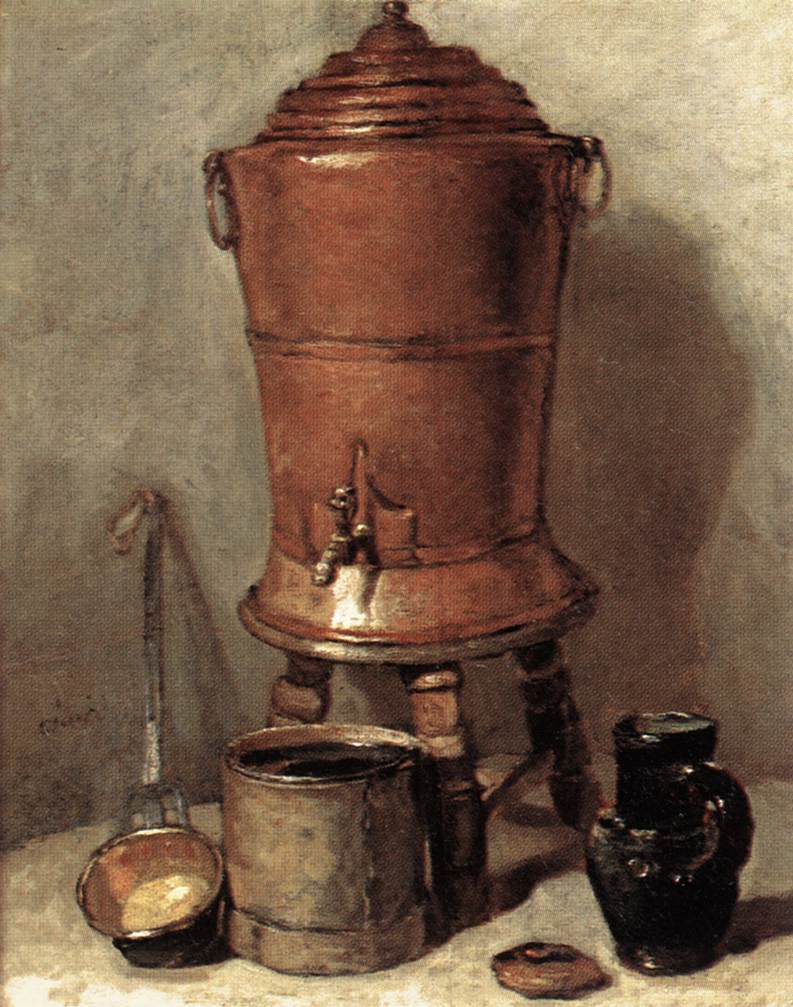
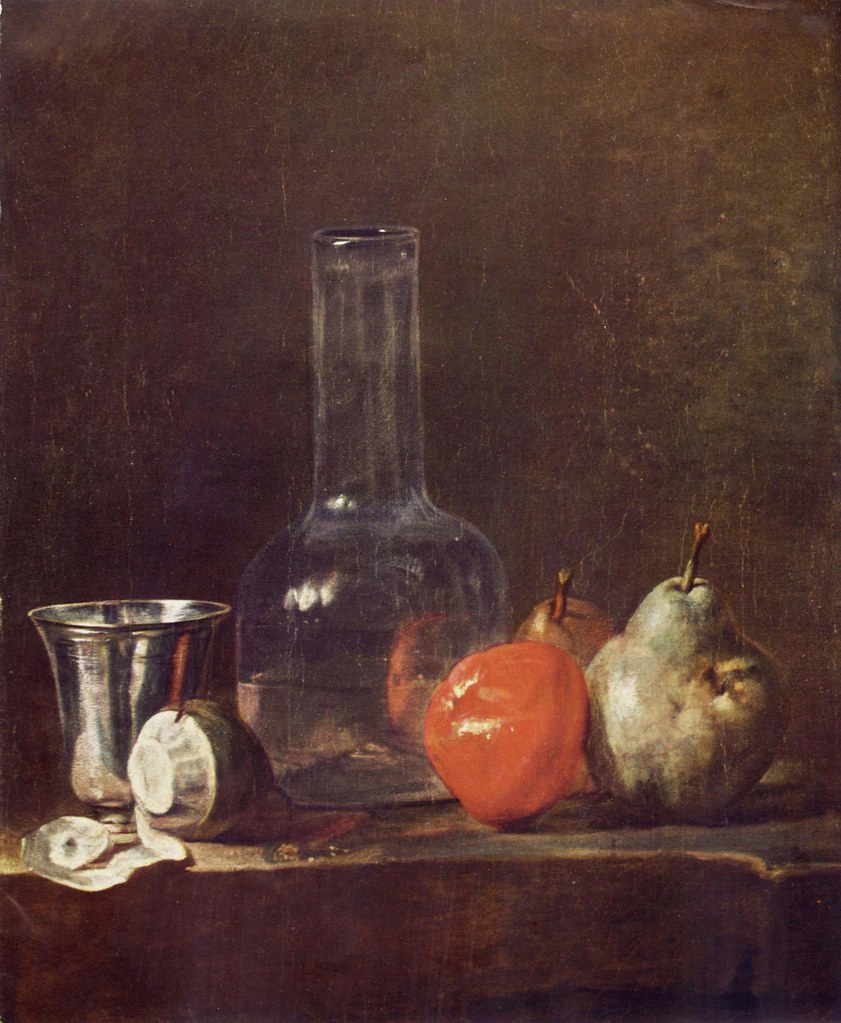
The article also compared JEANNE DIELMAN to Chardin’s paintings.
http://www.ibiblio.org/wm/paint/auth/chardin/
http://www.wga.hu/frames-e.html?/html/c/chardin/index.html

Some paintings by Chardin

THE SILVER GOBLET
http://farm3.static.flickr.com/2113/2310414444_1e76ed2834_o.jpg

A LEAN DIET (1731)
http://farm4.static.flickr.com/3019/2310414446_c7fb5af0f3_o.jpg

THE COPPER DRINKING FOUNTAIN (1734)
http://farm3.static.flickr.com/2342/2310414428_c7a834629d_o.jpg

PIPES AND DRINKING PITCHER (1737)
http://farm4.static.flickr.com/3212/2310414450_290e5eee31_o.jpg

STILL LIFE WITH GLASS FLASK AND FRUITS (1750)
http://farm3.static.flickr.com/2164/2310414442_326a4389b4_b.jpg

STILL LIFE WITH DEAD PHEASANT AND HUNTING BAG (1760)
http://farm4.static.flickr.com/3171/2310414436_517eeda5b1_o.jpg


Monday, March 03, 2008

THIRTEENTH POLL: DELIGHTFULLY DEMENTED FILMS

THIRTEENTH POLL: DELIGHTFULLY DEMENTED FILMS

My thirteenth poll is inspired by my most favorite film of February 2008—I-BE AREA (2007, Ryan Trecartin, USA). I think this film is very energetic, thought-provoking, funny, and crazy. It reminds me of some crazy films in late 1960’s and many German films in the 1970’s. So I think I should make a list of my favorite crazy films.

THESE FILMS ARE VERY CRAZY. WHICH ONE DO YOU LIKE?

1.BUNZAI CHAIYO EPISODE II THE ADVENTURE OF IRON PUSSY (1999, Michael Shaowanasai, Thailand)

2.DAISIES (1966, Very Chytilova, Czechoslovakia)
http://www.imdb.com/title/tt0060959/

3.THE DEATH OF MARIA MALIBRAN (1972, Werner Schroeter, West Germany)
http://twilightvirus.blogspot.com/2007/12/werner-schroeter-1-filmvirus-special.html
http://twilightvirus.blogspot.com/2007/12/werner-schroeter-2.html

4.THE FAMILY THAT EATS SOIL (2004, Khavn de la Cruz, Philippines)

5.FANDO AND LIS (1968, Alejandro Jodorowsky, Mexico)

6.FLAMING CREATURES (1962, Jack Smith, USA)

7.HEAL HITLER! (1986, Herbert Achternbusch, West Germany)

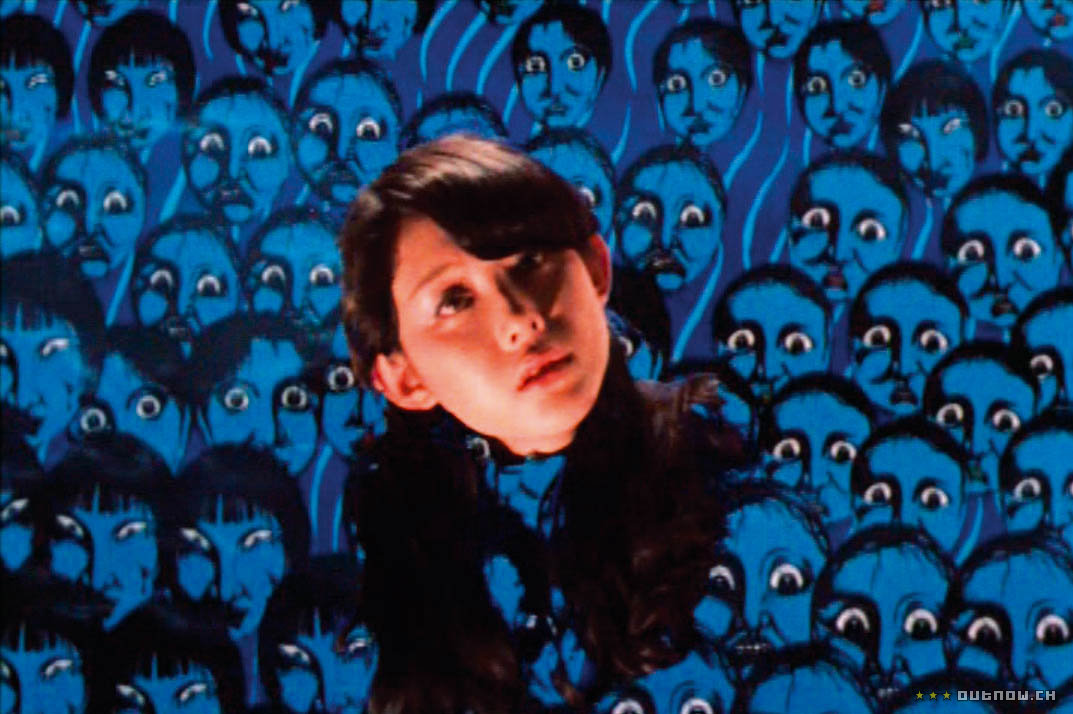
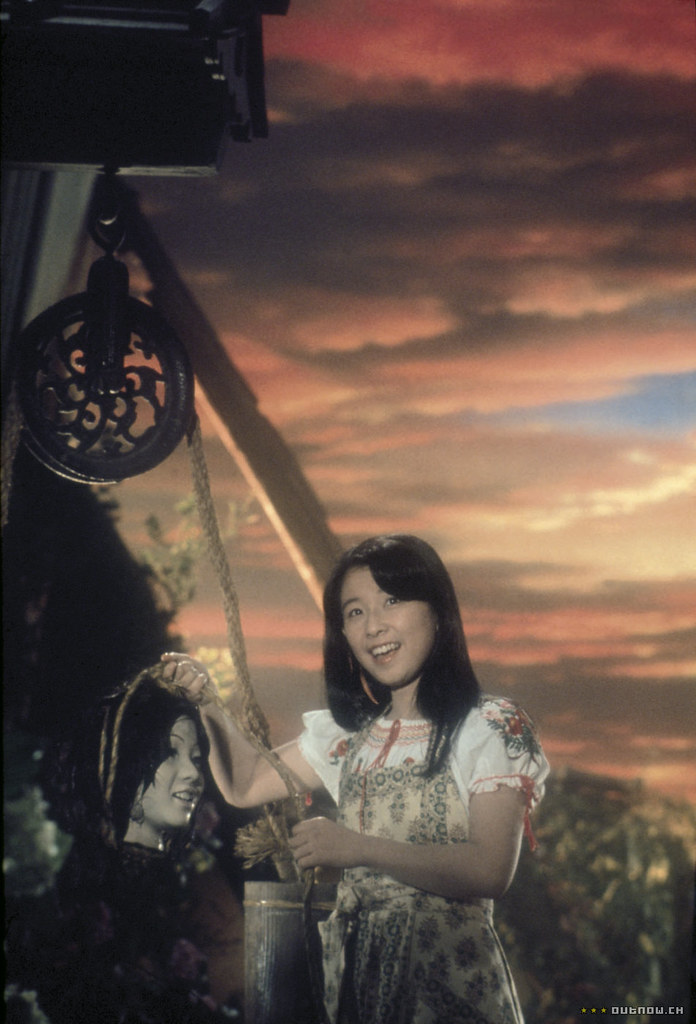
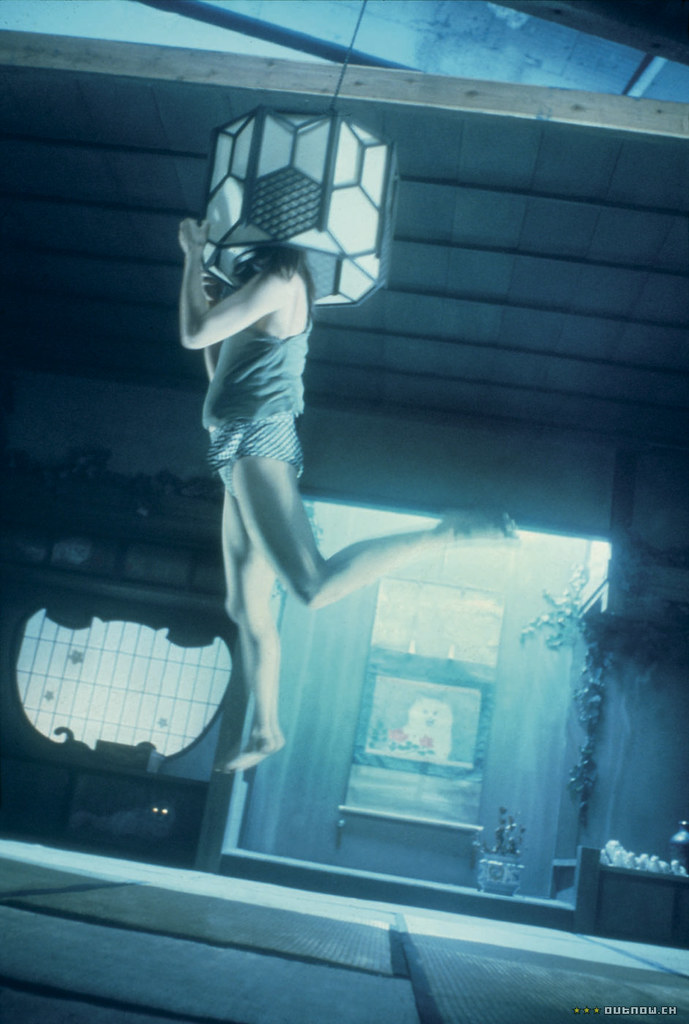
8.HOUSE (1977, Nobuhiko Obayashi, Japan)
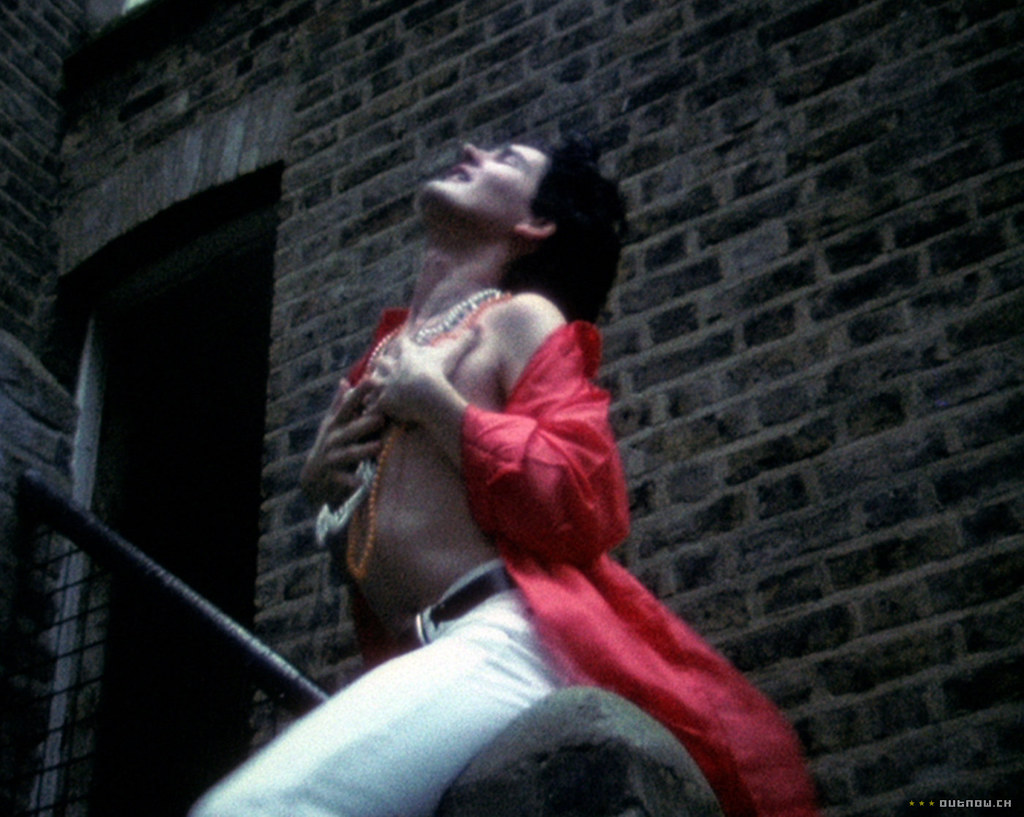
http://farm4.static.flickr.com/3128/2308016506_fc19a50fb5_o.jpg
http://farm3.static.flickr.com/2320/2307935908_320e9ca5d5_b.jpg
http://farm3.static.flickr.com/2105/2307935906_f3012860c0_b.jpg

9.I-BE AREA (2007, Ryan Trecartin, USA)

10.INAUGURATION OF THE PLEASURE DOME (1954, Kenneth Anger, USA)

11.LOOK OF LOVE (2006, Yoshiharu Ueoka, Japan)

12.MADAME X: AN ABSOLUTE RULER (1978, Ulrike Ottinger, West Germany)

13.PEPI, LUCI, BOM (1980, Pedro Almodovar, Spain)

14.PINK FLAMINGOS (1972, John Waters, USA)

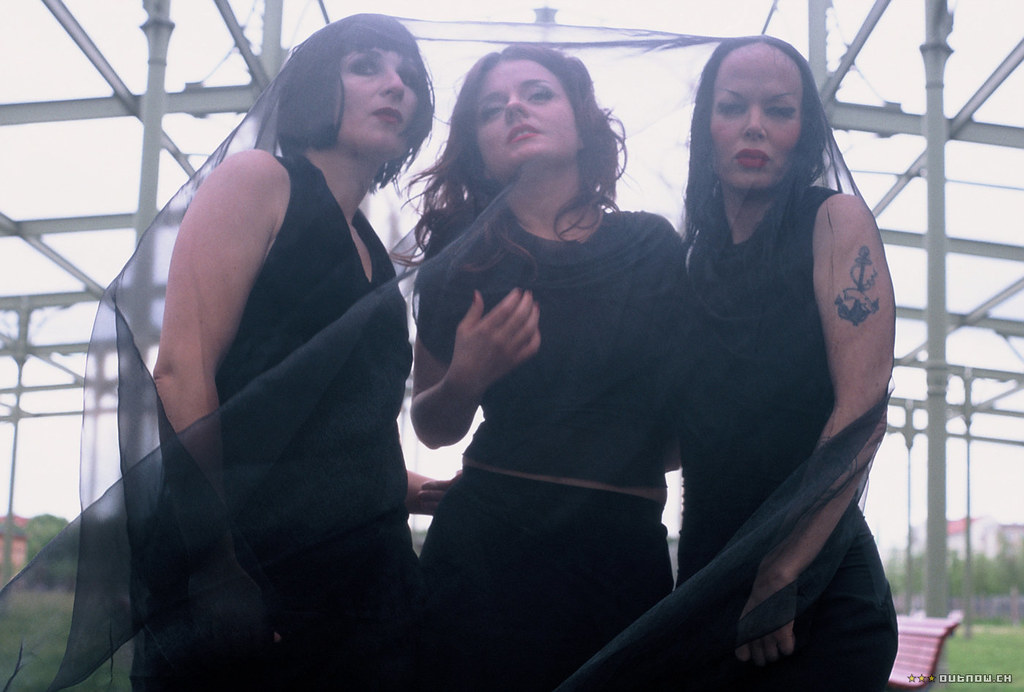
15.PSYCHIC TEQUILA TAROT (1998, Isabell Spengler, Germany)

16.THE RASPBERRY REICH (2004, Bruce La Bruce, Canada)

17.SEVEN DAYS, SEVEN NIGHTS (2003, Joel Cano, Cuba)

18.SWEET MOVIE (1974, Dusan Makavejev, Yugoslavia)

19.A VIRUS KNOWS NO MORALS (1985, Rosa von Praunheim, West Germany)

20.WHAT HAPPENED TO MAGDALENA JUNG? (1983, Christoph Schlingensief, West Germany)

You can cast multiple votes.

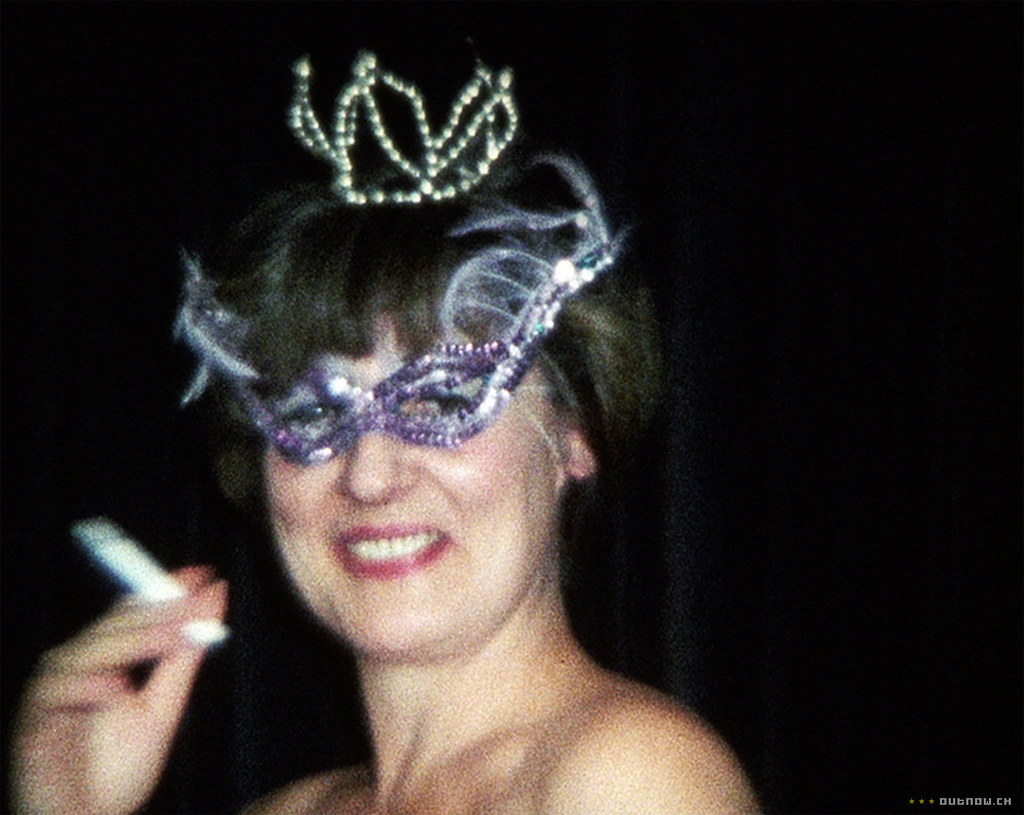
Most images here are from http://outnow.ch/


Some interesting links:

--Bruce La Bruce directed a new gay zombie film called OTTO; OR, UP WITH DEAD PEOPLE (2007)
http://www.variety.com/index.asp?layout=festivals&jump=review&id=2478&reviewid=VE1117935935&cs=1
http://farm4.static.flickr.com/3258/2308016520_74d8709c9b_b.jpg

--Twilight Virus’ blog said that Robert van Ackeren directed some crazy films. He also directed a new film called DEUTSCHLAND PRIVAT – IM LAND DER BUNTEN TRAUME (2007)
http://twilightvirus.blogspot.com/2008/02/robert-van-ackeren-is-back.html
http://farm4.static.flickr.com/3083/2308016518_ee7d0f774f_b.jpg
http://farm3.static.flickr.com/2113/2308016512_07d96f6dd9_b.jpg
http://farm3.static.flickr.com/2244/2308016508_f690fd71df_b.jpg


Werner Schroeter gave an interesting interview in the free magazine Kulturchronik (6-1998). Here is an excerpt from the interview:

Interviewer: You had a special relationship with your grandmother, didn’t you?

Werner Schroeter: My Polish grandmother was a dynamo of imagination who shared her fantastic world. In 1951, shortly after the war when I was five, we lived in a rapidly developed workers settlement outside Bielefeld. Everything I could see outside was so alien to my sensibility that my grandmother and her dreams became my world. She, who had neither experienced repression nor practiced it, translated everything into fantasy. I still remember very well how she once suddenly transformed the rails used by Bielefeld’s trams into an Indian trail. A chair became a palace and a flower pot a jungle. This freedom in dealing with things captivated me, and there was a place for us in strange daydream reality. I remember a highly comical story. My grandmother, at sixty an astonishly beautiful and slender woman, had lost everything in the East during the first and second world wars except for her beautiful silk dresses from the twenties and thirties. These she wore in 1950 in the Bielefeld workers settlement, walking around in stately fashion with her shopping basket, and on top of that with bleached hair. What she wore looked really good on her body, so whistling boys followed her while I held her hand. She smiled at me and said: “Now watch this”. She suddenly turned around and declared: “ Well boys, a girl’s school from the back and a museum from the front”.

For her a sense of reality was completely present in a vital irony. With her fantastic dreamworld she prepared us for a life of resistance. After all imagination is resistance and the only thing that can turn upside down the unbearability of reality. Without it there would be no revolution, which involves not only mass dynamics but also the development of fantasy regarding something so as to surmount it. With her kind of flight from the world my grandmother created a new reality which could take place everywhere. That is certainly the source of my freedom vis-à-vis what people nowadays call realistic depiction or naturalism. For me it goes without saying that with determination and imagination mountains –imaginary ones of course—can be moved.”


"WE OURSELVES ARE PERSONIFIED INSIGNIFICANCES"

Thank you very much for everyone who participated in my twelfth poll. It ended with 6 votes, including one vote from me for SEAPORT. The result is as follows:

THESE ARE MY FAVORITE POLITCAL DOCUMENTARIES. WHICH ONE DO YOU LIKE?

1.NIGHT AND FOG (1955, Alain Resnais, France)
+VILLAGE PEOPLE RADIO SHOW (2007, Amir Muhammad, Malaysia)

Each of them got 2 votes, or 33 %.


3.AFTERSHOCKS (2001, Rakesh Sharma, India)
+FORD TRANSIT (2002, Hany Abu-Assad, Palestine)
+SEAPORT (2006, Attapon Pamakho + Benya Poowarachnan, Thailand)
+11’09”01 – SEPTEMBER 11: SEGMENT “UNITED KINGDOM” (2002, Ken Loach, Chile)

Each of them got 1 vote, or 16 %.


7.BALSEROS (2002, Carlos Bosch + Josep Maria Domenech, Cuba)
+BEFORE THE FLOOD (2005, Li Yifan + Yan Yu, China)
+CEASE! FIRE! (2003, Saw Eh Doh Wah + Scott O’Brien, Myanmar)
+CHECHEN LULLABY (2001, Nino Kirtadze, Chechnya)
+CORN IN PARLIAMENT: LE GENIE HELVETIQUE (2003, Jean-Stephane Bron, Switzerland)
+THE DAY I WILL NEVER FORGET (2002, Kim Longinotto, Kenya)
+DIAL H-I-S-T-O-R-Y (1998, Johan Grimonprez)
+THE HEART OF WHITENESS (2006, Rehad Desai, South Africa)
+INCIDENT AT OGLALA (1992, Michael Apted, USA)
+THE LAST BOLSHEVIK (1993, Chris Marker, Russia)
+MINAMATA: THE VICTIMS AND THEIR WORLD (1972, Noriaki Tsuchimoto, Japan)
+PUNITIVE DAMAGE: A MOTHER’S TRIAL (1999, Annie Goldson, East Timor)
+THE TENTH DISTRICT COURT: MOMENTS OF TRIALS (2004, Raymond Depardon, France)
+VIDEOGRAM OF A REVOLUTION (1992, Harun Farocki + Andrei Ujica, Romania)

Each of them got 0 vote.


--Talking about politics, I want to quote something from the book FROM HITLER TO HEIMAT: THE RETURN OF HISTORY AS FILM (1989) by Anton Kaes. This book quoted a paragraph by Guenter Kunert. Somehow this paragraph reminds me about something in Thailand.

“Masses of people accept as myth what they would reject if it were suggested by reason. Since we ourselves are personified insignificances, accidental products of a nature that has no particular plan for us, we need metaphysical crutches to carry on at all. That accounts for our strained craving for some sense to our lives, for myth, which gives transcendence to meaningless existence. We want a destiny, even if we have to win it with fire and sword, concentration camps and gas chambers. Before we admit our own nothingness, we will serve the myth with the many names.”

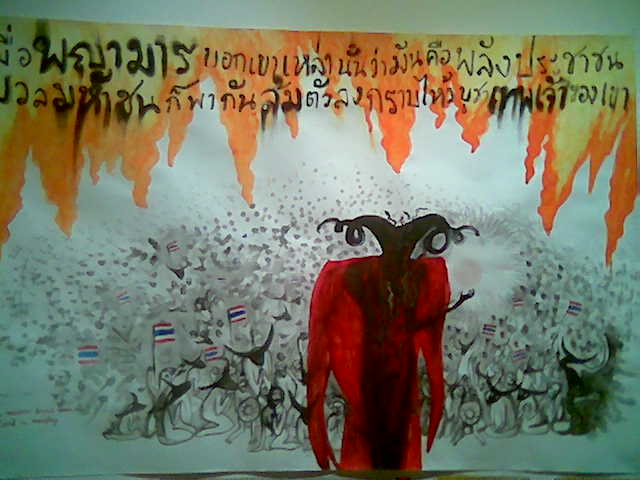
A POLITICAL PAINTING BY ING K.

THIS IS MY COMMENT IN BIOSCOPE WEBBOARD:
http://www.bioscopemagazine.com/smf/index.php?topic=71.780

--เห็นคุณคนมองหนังให้ CHOCOLATE (2008, Prachya Pinkaew) ได้ C ดิฉันเลยจะบอกว่าดิฉันให้หนังเรื่องนี้แค่ B- ค่ะ ปกติแล้วดิฉันชอบหนังแนวผู้หญิงบู๊ของฮ่องกงอย่างมากๆ แต่กับหนังเรื่อง CHOCOLATE นั้น ดิฉันกลับรู้สึกว่ามันไม่ค่อยสนุกเท่าที่ควร ดูแล้วไม่รู้สึกลุ้นมันส์ตื่นเต้นสักเท่าไหร่ ซึ่งตรงข้ามกับความรู้สึกที่มีต่อหนังบู๊ผู้หญิงฮ่องกงอย่าง SO CLOSE (A), NAKED WEAPON (A-) หรือ THE HEROIC TRIO (A+)

อย่างไรก็ดี สิ่งที่ดิฉันชอบมากที่สุดใน CHOCOLATE ก็คือความหล่อของฮิโรชิ อาเบะค่ะ ไม่น่าเชื่อว่าเขาจะยังหล่อถึงขั้นนี้ ทั้งๆที่อยู่ในวงการมานาน 20 ปีแล้ว ดิฉันเคยคลั่งไคล้เขามากๆตอนเรียนชั้นมัธยมในช่วงปลายทศวรรษ 1980 จำได้ว่าช่วงนั้นดิฉันจะใส่รูปของเขาไว้ในกล่องดินสอ และนั่งจ้องรูปของเขาตลอดเวลาขณะที่เรียนหนังสือ ตอนนั้นดิฉันไม่เคยจินตนาการมาก่อนเลยว่า อีก 20 ปีต่อมาจะได้เห็นเขามาเล่นหนังไทย


--เห็นข่าวใครบางคนกลับไทย แล้วมีคนมากมายไปต้อนรับ ก็เลยนึกถึงผลงานจิตรกรรมของคุณ ING K. ที่หอกลางจุฬาเมื่อเดือนก.พ.ที่ผ่านมา


This is a political painting by Ing K., a Thai female filmmaker. This painting was shown at Art Center Chula in February. Ing K. directed THAILAND FOR SALES (1991), THE GREEN MENACE: THE UNTOLD STORY OF GOLF (1993), CASINO CAMBODIA (1994) and MY TEACHER EATS BISCUIT (1996).


Saturday, March 01, 2008

THE MIST (2007, Frank Darabont, A+)

THIS IS MY COMMENT IN BIOSCOPE WEBBOARD:
http://www.bioscopemagazine.com/smf/index.php?topic=71.780

ตอบ DR.SYNTAX

ชอบ THE MIST (A+) อย่างสุดๆเลยค่ะ ชอบตอนจบของหนังเรื่องนี้อย่างสุดๆเลยด้วย เรารู้สึกว่าเราเชื่อมโยงตัวเองกับหนังเรื่องนี้ได้มากกว่า THERE WILL BE BLOOD (A+) อีกนะ คือเรารู้สึกว่า THERE WILL BE BLOOD เป็นหนังที่ดีกว่า แต่ประเด็นเรื่องสถาบันศาสนาใน THERE WILL BE BLOOD มันค่อนข้างไกลตัวเรายังไงไม่รู้ ในขณะที่ THE MIST เต็มไปด้วยตัวละครหลายๆตัวที่มีทัศนคติเปลี่ยนแปลงไปเรื่อยๆต่อความเชื่อทางศาสนา ซึ่งนั่นมันเป็นสิ่งที่ใกล้เคียงกับตัวเรามากๆ เพราะเราก็มีทัศนคติเปลี่ยนแปลงไปเรื่อยๆต่อความเชื่อทางศาสนาเหมือนกัน

CUTE ACTOR: NOPPON PHITAKLOPANICH

THIS IS MY COMMENT IN SCREENOUT WEBBOARD:
http://www.xq28.org/zaa/viewtopic.php?f=5&t=79&start=150

ตอบคุณ FARAWAY MAN

ขอบคุณมากๆค่ะ ขออวยพรวันเกิดย้อนหลังให้คุณ FARAWAY MAN เช่นกันนะคะ


ตอบคุณ PRINCEGENT

ขอบคุณมากๆค่ะสำหรับคลิปที่นำมาฝาก ชอบฉากนี้มากๆ ดีใจมากๆที่มีคนนำฉากนี้จากหนังเรื่อง ALMOST LOVE (2006, Han Lee, B+) มาลงไว้ใน YOUTUBE ด้วย ชอบ Lee Sang-woo ที่เล่นเป็นเพื่อนพระเอกในหนังเรื่องนี้มากๆ ส่วน Kwon Sang-woo ที่เล่นเป็นพระเอกหนังเรื่องนี้ก็ล่ำบึ้กดี ดิฉันเคยชอบเขามากๆตอนที่เขาแสดงใน VOLCANO HIGH (2001, Kim Tae-gyun, C+) แต่ใน ALMOST LOVE เขาไม่หล่อเลย ซึ่งนั่นเป็นเพราะทรงผมอุบาทว์ๆของเขา


ตอบน้อง ANGEL

ยังไม่ได้ดู JUNO แต่เห็นหน้า Diablo Cody ในงานประกาศผลรางวัลออสการ์แล้วรู้สึกชอบสไตล์ของเธอมากๆ


ตอบคุณ OLIVER

ขอบคุณมากๆค่ะที่นำรูปสามีของคุณโอลิเวอร์มาให้ทุกๆคนได้เชยชม เซ็กซี่สุดๆเลย


ตอบคุณ SENSITIVEMAN

ขอให้คุณ SENSITIVEMAN ผ่านช่วงเวลาที่เลวร้ายไปได้อย่างรวดเร็วนะคะ

อย่างไรก็ดี พูดถึงประโยค “THIS, TOO, SHALL PASS” แล้ว ทำให้นึกถึงวาทศิลป์บิณฑบาตอีกอันนึงของคุณ KICHO ขึ้นมาได้ ก็เลยขอนำมาเล่าสู่กันฟัง ณ ที่นี้

ถ้าจำไม่ผิด คุณ kicho ได้สำแดงวาทศิลป์บิณฑบาตในครั้งนี้ในวันอาทิตย์ที่ 20 ม.ค.หลังจากสี่ดรุณีได้ดูละครเรื่อง SUNFLOWER กันแล้ว โดยบทสนทนาในครั้งนั้นพอสรุปความได้คร่าวๆดังต่อไปนี้:

KICHO: เคยได้ยินเรื่องของกษัตริย์โซโลมอนหรือเปล่า มีครั้งนึงพระองค์เคยประกาศว่าจะให้รางวัลแก่คนที่สามารถมอบแหวนที่สามารถเปลี่ยนอารมณ์ของพระองค์ได้ คือถ้าพระองค์มีอารมณ์สุข พอเห็นแหวนนี้แล้วก็จะเศร้า แต่ถ้าพระองค์รู้สึกเศร้า พอเห็นแหวนนี้แล้วก็จะมีความสุข แล้วในวันหนึ่งขณะพระองค์มีความสุขอยู่ในงานเลี้ยงรื่นเริง ก็มีคนนำแหวนวงนึงมาให้พระองค์ พอพระองค์ดูแหวนนี้แล้วก็หุบยิ้มทันที เพราะแหวนนี้สลักคำว่า THIS, TOO, SHALL PASS.

MDS: แล้วทำไม “ภาวะไม่มีผัว” มันถึงไม่ผ่านไปจากชีวิตฉันซักทีล่ะ ฉันอยู่กับภาวะนี้มานาน 35 ปีแล้วนะ ไม่เห็นมันจะผ่านไปจากชีวิตฉันซักที

KICHO: ก็ชาติหน้ายังไงล่ะ ถ้าหากเธอตายแล้วเกิดใหม่ ชาติหน้าเธออาจจะหลุดออกจากภาวะไม่มีผัวก็ได้นะ


CUTE ACTORS

1.Lee Sang –woo from ALMOST LOVE (2006, Han Lee, B+)
http://www.youtube.com/watch?v=UJuSuD4TxoM
http://www.hancinema.net/korean_Lee_Sang-woo.php
http://farm4.static.flickr.com/3128/2299837903_38b0119c1e_o.jpg

2.Kwon Sang-woo from VOLCANO HIGH (2001, Kim Tae-gyun, C+)
http://www.hancinema.net/korean_kwon_Sang-woo.php
http://farm3.static.flickr.com/2407/2299837899_9371b01a1f_o.jpg
http://farm4.static.flickr.com/3218/2299837897_748fda996e_o.jpg

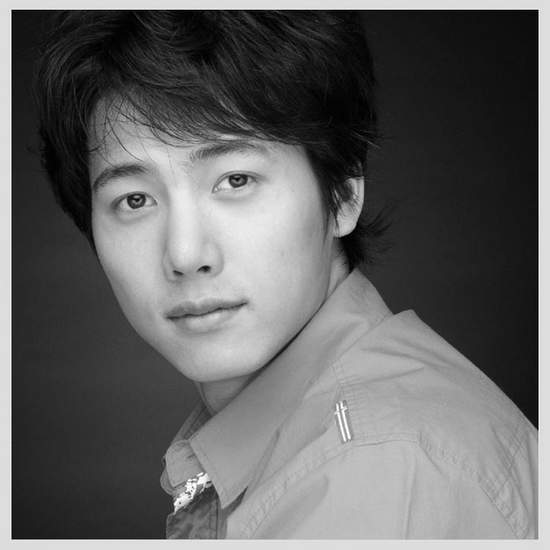
3.NOPPON PHITAKLOPANICH from GHOST-IN-LAW (2008, Tanit Jitnukul + Seree Phongnithi, A+/A)
http://www.nangdee.com/title/mt_picture.php?movie_id=1502
http://www.ch7.com/website/Fanclub/star_m_noppon.htm

He stars in a music video for the song KON JAO NUMTA (CRYBABY) by NJ
http://www.youtube.com/watch?v=yUlQF12oV9g

http://farm4.static.flickr.com/3090/2299837895_d35933710e_o.jpg
http://farm3.static.flickr.com/2364/2299837891_f5b822fd3c_o.jpg
http://farm3.static.flickr.com/2089/2299837893_1e8d6d0eb3_o.jpg


Friday, February 29, 2008

THE REAL THING AND ITS REPRESENTATION

This is my reply to Matthew Hunt in my blog with some added information:
http://celinejulie.blogspot.com/2008/02/film-wish-list-slow-slidings-of.html

I didn’t understand ONE AND THREE PANS (1965, Joseph Kosuth) when I saw it in ARTSPACE GERMANY. Fortunately, someone wrote about it and her writing makes me appreciate this work much more than before.
http://blog.nationmultimedia.com/monnita/2008/01/26/entry-1

This is what Monnita wrote:

“His work of 'One and Three Pans' appears to echo his other work of "One and Three Chairs" made in the same year. Here, he displayed a photograph of a pan, an actual pan, and a dictionary of the word "pan". The piece distinguishes between the three aspects involved in the perception of a work of art: the visual representation of a thing (the photograph of the pan), its real referent (the actual pan), and its intellectual concept (the dictionary definition). Reality, image, and concept: the three "sides" of a perceived thing. ”


--I haven’t seen anything like ONE AND THREE PANS before—the juxtaposition between “the real thing”, “its representation” and “its concept”. However, the juxtaposition between the real thing and its representation reminds me of many things I like, including:

1.RE-PRESENTATION (2007, Chai Chaiyachit + Chisanucha Kongwailap, A+)

This short film is about a man gaining some knowledge on arts and Thai politics. Since I have no knowledge in these two areas, the film introduces me to some ideas which I find very interesting. This film makes me wonder if “Thai democracy” is the representation of “something essentially undemocratic”.

2.DESIRE (2001, Fred Kelemen, A+)

This is a stage play directed by Fred Kelemen. The videotape of this stage play was shown at Thammasat University Library last year. One interesting thing in this stage play is the difference between “the real thing” and “its projection” (I don’t know if I use the right English word or not.) In this play, Eben hates Abbie whenever Abbie appears as a real person in front of him. But sometimes Abbie appears on some giant screens hanging on the stage. Whenever Abbie appears on the screen and talks to Eben, Eben seems to like her. In conclusion, it seems as if Eben hates Abbie as a real person, but he loves her projection and desires her projection.

3.THE ALL-ROUND REDUCED PERSONALITY (1977, Helke Sander, A+)

There’s one scene I love in this film. It is the scene in which three woman carry a giant photo of a part of the Berlin Wall and place this giant photo next to that exact part of the Berlin Wall. We see two doubling images at the same time, side by side—the real Berlin Wall and its photo. I don’t understand what this scene means, but I love it.

--Talking about Joseph Kosuth reminds me that I have no knowledge at all about conceptual art. As for some concepts or ideas found in films, I think I like some ideas or concepts in the films of Tulapop Saenjaroen. I think you saw one of his films last year—WHEN THE MOVIE LISTENS (2007, A+). The idea of this film is to let each viewer talk anything he/she wants to talk to the film, and the film will listen to us. I just saw his new film several weeks ago. It is called 2008, and lasts about 3 minute. In this film, we saw nothing except some strange sentences in “the ending credit”. At first I misunderstood that this film is the ending credit of another short film shown before it, but after the film ends, I got to understand that “the ending credit” is actually “the film”.

--Talking about some concepts in art, I like the concept of an artwork by Rirkrit Tiravanija very much. I saw a videotape recording of his artwork last year. In this video, he presented “rice” at an art exhibition and treated the rice as if the rice was a very precious diamond.

-------------------------


--You can see the image from my favorite scene in THE ALL-ROUND REDUCED PERSONALITY here:
http://www.umass.edu/defa/filmtour/redupers.shtml

Timothy Corrigan described this great scene in his book called NEW GERMAN FILM: THE DISPLACED IMAGE (1983).

This is a quote from the book:

“At another extraordinary point, however, the women carry the photo into a cinematic frame that replicates the very scene and angle of the photo, setting the image against the same wall that divides the center of the photographic space. The result is much more than a postmodern play with mise-en-abyme; it becomes rather a temporary but trenchant measure of imagistic difference as depth. Here the empty geometry of this street scene—which had developed a certain dynamic across the tension of the wall dividing those spaces—receives a critical turn through its doubling in the hands of the three women. What is added in the difference between the two representations of the scene is the self-consciousness of the image as always dramatizing a distance from a “real” scene or another image of it and the presence of a specific time and point of view (these three women again in this place) as the determination of the “depth” which that particular temporal and spatial position creates in distinguishing itself.”

Thursday, February 28, 2008

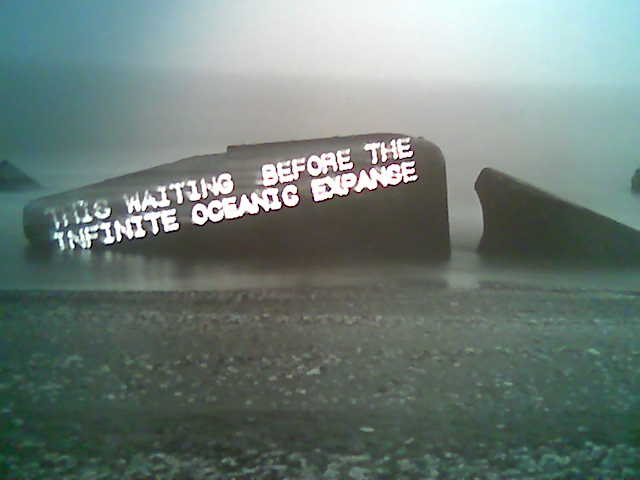
"THIS WAITING BEFORE THE INFINITE OCEANIC EXPANSE"

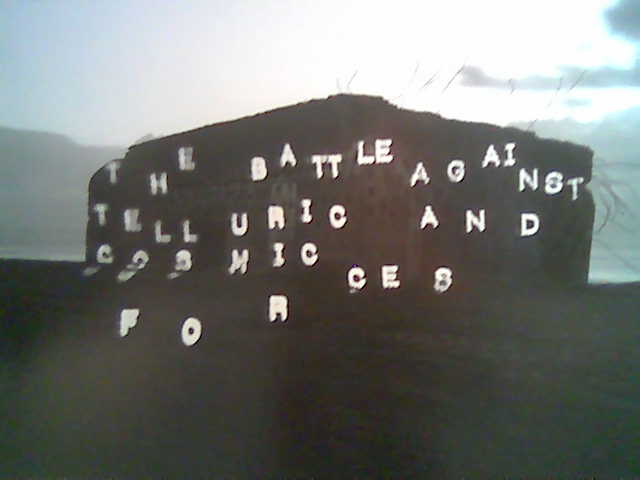
The exhibition ARTSPACE GERMANY at Silpakorn University includes ATLANTIC WALL by Magdalena Jetelova. If I don’t remember it wrongly, it includes a text by Paul Virilio, a sketch or a map of something, a painting, and some interesting photographs.

After I watch some films, I like to imagine a new film or a new story inspired by the films I watch. When I see a photo of Magdalena Jetelova, I imagine that this photo is what happens before the story in BIRTH OF THE SEANEMA (2004, Sasithorn Ariyavicha, A+++++++++++++++).

This is the photo:
http://farm4.static.flickr.com/3074/2297620379_6672d97a19_o.jpg


You can read a review of BIRTH OF THE SEANEMA by Wise Kwai here:
http://thaifilmjournal.blogspot.com/2008/02/reviews-birth-of-seanama-sea-sea-part.html

You can read a review of BIRTH OF THE SEANEMA in Thai by Filmsick here:
http://filmsick.exteen.com/20080219/birth-of-seanema-2004-1

You can read a review of ATLANTIC WALL by Colin Darke here:
http://www.source.ie/issues/issues0120/issue15/is15revatlwal.html


ATLANTIC WALL is inspired by the writing of Paul Virilio. I have never read Virilio’s work, but I like an animation inspired by his writing very much. The animation is called DAS DRITTE FENSTER (THE THIRD WINDOW) (1998, Hanna Nordholt + Fritz Steingrobe, A+).

These are other photos from ATLANTIC WALL:
http://farm4.static.flickr.com/3071/2297620377_4e9c11e764_o.jpg
http://farm4.static.flickr.com/3162/2297620381_a577cd1956_o.jpg
http://farm4.static.flickr.com/3167/2297620383_dc964bd9ac_o.jpg

This is the painting in ATLANTIC WALL:
http://farm4.static.flickr.com/3177/2297620387_96789e20dc_o.jpg

I would like to quote a review on ATLANTIC WALL from the wonderful book WOMEN ARTISTS IN THE 20TH AND 21ST CENTURY. The review is written by Frank Frangenberg:

"When she employed lasers to project text sequences by Paul Virilio on fortified bunkers – Virilio's theme – in her project ATLANTIC WALL, 1995, Jetelova came very close to Plato's compelling image of reality as shadows cast on the walls of a cave. Her interest in the looming concrete structures of the German line of defence in the Second World War was to translate linear real time into a discontinuous time, into a context of interpretation beyond time, which would bring history and the present moment, memory and experience, objectivity and subjectivity, into a complex whole. Jetelova works with us and our imagination to make time a concrete experience, by showing space to be subject to change, forever in flux. She engenders a new, holistic space-time experience, a space of immediate perception, artistically staged and aesthetically refined."


----------------------------------------

There are many things I like in ARTSPACE GERMANY. One of them is HERE AND THERE (1989, Ayse Erkmen, A+), which is a 16-part sculpture. It looks like a stone to sit on.
http://farm4.static.flickr.com/3021/2297620373_95e7e1206a_o.jpg

You can read an interview of Ayse Erkmen here:
http://www.fehe.org/index.php?id=426


CANDLE TV (1975, Nam Jun Paik, A+++++)

I just knew from Cinebeats’ blog about a clip from EDEN AND AFTER (1970, Alain Robbe-Grillet).
http://cinebeats.blogsome.com/2008/02/18/alain-robbe-grillet-1922-2008/

You can watch the clip here:
http://www.youtube.com/watch?v=YauhheIq3Tk


---------------------------


This is my comment in Matthew Hunt’s blog:
http://www.matthewhunt.com/blog/2008/02/lerotisme.html

I’m glad you like MALDOROR. I agree with you that the glowworm looks like a refugee from David Lynch’s film. Hahaha. I couldn’t follow the story of LA FIN DE NOTRE AMOUR in the first viewing. Maybe I should give it a second chance. I like that the female character in this film has a blank black face. It gives such a weird feeling.


-----------------------

This is my reply to Matthew Hunt in my blog:
http://celinejulie.blogspot.com/2008/02/film-wish-list-slow-slidings-of.html

Mat, thank you very much for your information. I wonder if there will be a feminist response to “77 TESTICULAR IMPRINTS”. But I like Rachel Lachowicz’s response to Yves Klein very much. Hahaha.

Nam Jun Paik is a very interesting artist. I first saw his work last year when Thammasat University Library showed his video called GOOD MORNING, MR. ORWELL (1984, A+). This video is a little bit funny and seems to show some interesting aspects about television broadcasting. Many great artists appear in this video, including Laurie Anderson, John Cage and Oingo Boingo.

I just went to see the exhibition ARTSPACE GERMANY at Silpakorn University last weekend. The exhibition includes two works by Nam Jun Paik: “Internet dwellers: jswg.dreizehn.xulf” (1997, video sculpture, A+) and CANDLE TV (1975, object installation, A+). I love CANDLE TV very much. It seems like a sacred object. As for INTERNET DWELLERS, I think the 7-minute video is not very interesting now, but it might be very interesting back in 1997. However, I like the sculpture very much.


----------------

This is my comment in Prap Boonpan’s blog:
http://agonisticfilm.exteen.com/20080219/entry

ขอให้คุณปราปต์คิดเรื่องราวที่จะนำไปสร้างเป็นหนังเรื่องใหม่ออกเร็วๆนะคะ จะได้มีหนังออกมาให้ดูกันอีก

ดิฉันก็คิดไม่ออกเหมือนกันว่าตัวเองอยากดูหนังเกี่ยวกับการเมืองไทยที่มีเนื้อหาอย่างไรในช่วงนี้ ดิฉันรู้สึกว่าตนเองลดความสนใจที่จะแสดงความคิดเห็นทางการเมืองลงไปมากพอสมควรในระยะนี้ ซึ่งอาจจะเป็นเพราะว่าช่วงนี้ดิฉันกับเพื่อนๆมักจะมีความคิดเห็นค่อนข้างตรงกัน นั่นก็คือ “เกลียดสมัคร” เพราะฉะนั้นในเมื่อคนรอบข้างมีความเห็นตรงกับดิฉัน และคนรอบข้างก็ได้แสดงความคิดเห็นและระบายความรู้สึกเหล่านั้นออกมาแล้ว ดิฉันก็เลยรู้สึกพึงพอใจและก็ไม่รู้สึกว่าตนเองต้องแสดงความเห็นซ้ำกับคนอื่นๆอีก และก็รู้สึกว่าตนเองใจเย็นลงเยอะในช่วงนี้ ซึ่งความรู้สึกแบบนี้ตรงข้ามกับในปี 2007 เพราะในปีนั้นมีหลายๆคนรอบข้างดิฉันที่ชื่นชอบคมช. แต่ดิฉันไม่ค่อยเห็นด้วยกับพวกเขาสักเท่าไหร่ การต้องตกอยู่ในสถานการณ์แบบนั้นก็เลยทำให้ดิฉันรู้สึกอึดอัดคับข้องใจและใจร้อน และเหมือนเป็นแรงกระตุ้นให้ดิฉันสนใจในเรื่องการเมืองมากยิ่งขึ้น

------------------------------------


This is my comment in Bioscope Webboard:
http://www.bioscopemagazine.com/smf/index.php?topic=71.750

ตอบคุณ pc

ได้เข้าไปดูมิวสิควิดีโอ DEXTER ของ Ricardo Villalobos แล้ว ชอบทั้งมิวสิควิดีโอและตัวเพลงมากๆเลยค่ะ และก็ต้องขอขอบพระคุณมากๆค่ะสำหรับบทความใน THE GUARDIAN เกี่ยวกับ minimal techno เป็นบทความที่น่าสนใจมากๆเลยค่ะ


ตอบน้อง merveillesxx

ขอแนะนำดีวีดี L’EROTISME เป็นอย่างยิ่งจ้ะ

คุณ FILMSICK เขียนถึงดีวีดีชุดนี้ไว้ที่นี่
http://filmsick.exteen.com/20080223/l-erotisme

Matthew Hunt เขียนถึงดีวีดีชุดนี้ไว้ที่นี่
http://www.matthewhunt.com/blog/2008/02/lerotisme.html

Monday, February 25, 2008

FILM WISH LIST: SLOW SLIDINGS OF PLEASURE (1974, Alain Robbe-Grillet)

--Jeremy Richey on Robbe-Grillet
http://mooninthegutter.blogspot.com/2008/02/snapshots-of-my-memories-of-alain-robbe.html

--Mike Dekalb on Robbe-Grillet
http://esotika.blogspot.com/2008/02/alain-robbe-grillet-august-1922.html

--Mike Dekalb on SLOW SLIDINGS OF PLEASURE (1974, Alain Robbe-Grillet)
http://esotika.blogspot.com/2007/07/slow-slidings-of-pleasure-alain-robbe.html

One of the films I would like to see very much is SLOW SLIDINGS OF PLEASURE. I found a review of this film in the magazine LITERATURE/FILM QUARTERLY, 1995, No.1. The article is written by Roch C. Smith.
http://www.salisbury.edu/lfq/backissues.htm

These are some quotes from the magazine:

“Not surprisingly, perhaps, given Robbe-Grillet’s source, he makes use of various images of blood and flames to incorporate the motifs of the vampire and the sorceress. Such images are associated with a red kneeler, a shoe, a broken bottle—sometimes filled with red liquid—the sea, a metal bed and other objects of “punctuation,” as Robbe-Grillet calls them. All these images become part of a narrative contest between the young female protagonist—called Alice in the cine-roman, but never named in the film itself—and a cast of authority figures: the magistrate, the lawyer, the nun, and the priest. For the forces of authority and order, these images and objects become pieces of evidence that would establish Alice’s guilt.”

”The magistrate, the priest and the nun seek to impose a coherent story, one that would account for the disparate elements, by establishing that there was a crime and Alice was guilty of it. They seek to reestablish the reassuring and conventional world of traditional narrative. The character of Alice is scandalous to these figures of traditional authority, as it might be to like-minded spectators. Through her rebelliously playful responses, Alice subverts all efforts to impose a closed narrative by multiplying the possible meanings. Hers is the scandal of the open work.”


--There is a very interesting scene in SLOW SLIDINGS OF PLEASURE, in which nude Alice covers the front of her body with the red paint and presses herself against the white wall in four different spots, leaving imprints of her body on the wall.

This scene is clearly an homage to Yves Klein’ “Anthropometrie de l’epoque bleu (ANT 82)” (1960). Coincidentally, the Alliance Francaise in Bangkok just showed a short TV documentary about this artwork in January. The TV documentary is called SUIVEZ L’ARTISTE, in each episode of which a famous person got to choose his/her favorite artwork. In the episode I saw, it is Agnes Varda who chose Anthropometrie de l’epoque bleu (ANT 82).
http://www.centrepompidou.fr/education/ressources/ENS-yves_klein/ENS-Yves_Klein.htm


In that red painting scene in SLOW SLIDINGS OF PLEASURE, there is also an interesting conversation between Sister Julia, who is the nun in charge of the convent, and Alice. I quoted this dialogue from LITERATURE/FILM QUARTERLY:

SISTER JULIA: You asked for paint and brushes to do that?

ALICE: Yes, Sister. You don’t find that pretty? Maybe you don’t like modern art?

SISTER JULIA: Don’t touch me, you disgusting, shameless girl, you criminal! Anyone can tell by looking at you that you’re the assassin.

ALICE: I don’t see the connection Sister. Jesus was innocent. He was condemned to death because he had the gift of exaggeration. I’ll speak to my lawyer about your libelous statements…Here Sister, here’s Veronica’s veil. [Alice holds up a red cloth which virtually fills the screen.]


--For more information on VERONICA’S VEIL, please read:
http://en.wikipedia.org/wiki/Veil_of_Veronica

--Yves Klein’s artwork and that scene in SLOW SLIDINGS OF PLEASURE make me feel interested in works which use human bodies as paintbrush. I found that Ana Mendieta also created some artworks by the imprints of her body, and Nicolas Guagnini also had an exhibition called “77 TESTICULAR IMPRINTS”, in which he used his testicles as paintbrush.

This is the description of 77 TESTICULAR IMPRINTS:
http://www.andrewroth.com/guagnini.html

“The paintings were produced with oil paint applied directly to the artist’s testicles and imprinted on various bound and ephemeral printed matter including: mainstream magazines such as Time and Life; art market staples such as Artforum, Art in America and Art News; exhibition and auction catalogues; rare magazines and artist’s books; personal letters; and lastly, on an assortment of original artworks, poems and studio notes by Vito Acconci, Simon Bedwell, Alejandro Cesarco and Dan Graham.”

LYNN A. HIGGINS ON "LAST YEAR AT MARIENBAD"

This is my reply to Jesse in my English-only blog:
http://celinejulie.wordpress.com/2008/02/21/go-back-to-where-comma-in-the-absence-of-any-opening/

--Jesse, I think that your review on LA BELLE CAPTIVE is useful in way. I think at least it is a warning that anyone who has never watched any films by Robbe-Grillet should start with other films beside LA BELLE CAPTIVE.

Though I give LA BELLE CAPTIVE “A+”, I am also a little bit disappointed with it. But for me, I’m disappointed with it only when I compare it to other films by Robbe-Grillet, not when I compare it with films by other directors.


--At first I was also disappointed after I had finished reading RECOLLECTIONS OF THE GOLDEN TRIANGLE. But the disappointment rapidly turned into a new kind of pleasure. I read this novel when I didn’t know much about Robbe-Grillet’s styles. So when I was reading it, I expected that all the mysteries or puzzles would be solved in the end. I expected that I would understand everything in the final chapter of the book. But I found nothing like that in the end. No mysteries are solved. The novel seems to end with no conclusion. At first I felt disappointed. Then I realized that is Robbe-Grillet’s intention. My disappointment was not the result of Robbe-Grillet’s writing. It was the result of my wrong expectations. Robbe-Grillet’s novel changed me and changed my expectation when I read a book or watch a film.

Speaking of a novel with unsolved mysteries and without conclusion, I just remember that I once saw a short documentary interviewing Robbe-Grillet about his opinion on Michelangelo Antonioni. Robbe-Grillet seems to like Antonioni very much. It is not surprising. Antonioni created a new way of making films by directing L’AVVENTURA, a film with an unsolved mystery. Robbe-Grillet’s films and novels also show evidently the love of unsolved mysteries.


--Speaking of LAST YEAR AT MARIENBAD, I would like to add some information about this film here:

1.Dan Sallitt wrote about how to win the game in LAST YEAR AT MARIENBAD in his blog:
http://www.panix.com/~sallitt/blog/2008/01/marienbad-game.html

2.Lynn A. Higgins wrote a great article on LAST YEAR AT MARIENBAD in her book called NEW NOVEL, NEW WAVE, NEW POLITICS: FICTION AND THE REPRESENTATION OF HISTORY IN POSTWAR FRANCE (1998). Her article gave me a new thought on LAST YEAR AT MARIENBAD. She wrote about the rape which is in the story of the film, but is not shown directly in the film.

This is a quote from the book:

“Missing links, ironic reversals, and displacements to an “elsewhere” are the rhetorical strategies that keep the rape in MARIENBAD from being immediately apparent. For X they serve the functions of an alibi in its etymological sense: he desperately and repeatedly turns the discussion to a “formerly” and an “elsewhere”—last year, perhaps in Frederiksbad or Baden-Salsa. He also emplots the description of what happened (or is happening) in the mode of a love story. To the extent that his voice is the film’s (as in his opening question, “Are you coming?”, and his injunctions to “Follow me, please”, ostensibly addressed to A but encompassing the spectators), the fact that many stories are possible works to his advantage. But the film also works against him: his love story is full of holes, through which peek fragments of another tale that is its mirror opposite. In this light, MARIENBAD is the scene of a conflict or tug of war between its protagonist, who wants to turn the viewer’s attention to another time, place, and story, and the film medium, which shows the here and now. Rape in MARIENBAD is neither remembered nor forgotten. Rather, it is shown. Although it is not described, it is nevertheless inscribed. But as in a screen memory, it is rendered incomprehensible because it is fragmented and scattered about the film in inconsequential details, leaving a hole in the center.”

SHOCKED BY "AFTERSHOCKS" (Rakesh Sharma)

This is my reply to Jogesh in my English-only blog:
http://celinejulie.wordpress.com/2008/02/23/twelfth-poll-politics-will-tear-us-apart/

I regret I haven’t seen FINAL SOLUTION (2003). It was once shown here in the Bangkok International Film Festival a few years ago, but I decided not to go to see it because the film was shown here in the 2-hour version, but I wanted to see the 218-minute version. So I thought I had better wait for the full version. But that opportunity never comes. I should have decided to go to see the 2-hour version at that time.

AFTERSHOCKS is a real surprising film for me. I decided to go to see it because I had no choice at that time. It was the only film shown at that time slot in the Bangkok Film Festival in 2002. I was not interested in documentary, especially political documentary. But I decided to go to see it because I didn’t want to waste my time waiting for the next film. I really made the right choice at that time. After I had seen this film, I cried for about half an hour. I also like the way this film uses the song THE FINAL COUNTDOWN. I used to hate this song very much, because this song was too popular in Bangkok. But I like this song much more after I saw AFTERSHOCKS. Somehow this film can turn a boring song into a meaningful song.

Unfortunately, what had happened in AFTERSHOCKS also happened in Thailand later. After the tsunami in the south of Thailand, many Thai poor villagers in the affected areas were swindled or exploited by some rich evil people. These rich people want to possess the land of the poor, so when the rich saw that the villages of the poor had been destroyed by the tsunami, the rich tried to find a way to cheat the poor so that the rich could possess the land. I wished at that time that AFTERSHOCKS be shown widely in Thailand or be shown in a Thai TV. I think this film has the ability to educate many people in Thailand, including the poor, the government officials or some NGOs to try to find a way to prevent this kind of thing from happening again.

AFTERSHOCKS also corresponds to my viewpoint that natural disaster is hardly as fearful as man-made disaster.

Saturday, February 23, 2008

TWELFTH POLL: POLITICS WILL TEAR US APART

TWELFTH POLL: POLITICS WILL TEAR US APART

My twelfth poll is inspired by my most favorite film of January 2008—CORN IN PARLIAMENT: LE GENIE HELVETIQUE (2003, Jean-Stephane Bron, Switzerland). I saw this film at Alliance Francaise in Bangkok. I had never heard the name of this film or this director before, but I ended up liking this film very much. It’s hard to tell exactly why this film makes me feel so great. Everything in this film looks very ordinary. The director just interviewed some Swiss politicians while they were drafting a bill on GMO. We see some politicians offering their different opinions to the camera. We see who supports GMO, who is against GMO, and who is undecided on this topic. We follow the bill from the drafting stage until it goes to the parliament to be voted. There seems to be nothing special at all in this film. But why did I feel so good watching this film? I don’t know. Maybe the director creates the right amount of distance between the interviewer, the interviewees, and the audience. Maybe that female politician is very charismatic. Maybe the director just makes everything right in this film, including creating a little tension or a little suspense, but not manipulating the emotions of the audience too much.

After seeing and falling in love with CORN IN PARLIAMENT: LE GENIE HELVETIQUE, I decided to make a list of my favorite political documentaries. The countries listed here are the countries of the “subject” or “topic” of the film, not the nationality of the director nor the funding source of the film.

THESE ARE MY FAVORITE POLITCAL DOCUMENTARIES. WHICH ONE DO YOU LIKE?

1.AFTERSHOCKS (2001, Rakesh Sharma, India)

2.BALSEROS (2002, Carlos Bosch + Josep Maria Domenech, Cuba)
http://www.imdb.com/title/tt0321376/
http://ecx.images-amazon.com/images/I/51P0WY1VZ8L._SS500_.jpg

3.BEFORE THE FLOOD (2005, Li Yifan + Yan Yu, China)

4.CEASE! FIRE! (2003, Saw Eh Doh Wah + Scott O’Brien, Myanmar)

5.CHECHEN LULLABY (2001, Nino Kirtadze, Chechnya)
http://www.imdb.com/title/tt0311087/

6.CORN IN PARLIAMENT: LE GENIE HELVETIQUE (2003, Jean-Stephane Bron, Switzerland)

7.THE DAY I WILL NEVER FORGET (2002, Kim Longinotto, Kenya)
http://www.imdb.com/title/tt0342265/

8.DIAL H-I-S-T-O-R-Y (1998, Johan Grimonprez)

9.FORD TRANSIT (2002, Hany Abu-Assad, Palestine)

10.THE HEART OF WHITENESS (2006, Rehad Desai, South Africa)

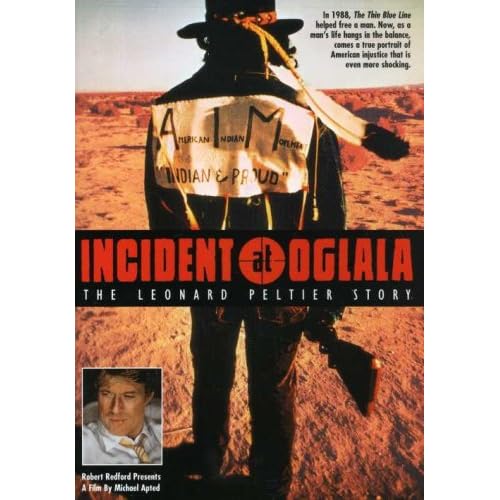
11.INCIDENT AT OGLALA (1992, Michael Apted, USA)
http://ecx.images-amazon.com/images/I/51tdWR74LpL._SS500_.jpg

12.THE LAST BOLSHEVIK (1993, Chris Marker, Russia)

13.MINAMATA: THE VICTIMS AND THEIR WORLD (1972, Noriaki Tsuchimoto, Japan)

14.NIGHT AND FOG (1955, Alain Resnais, France)

15.PUNITIVE DAMAGE: A MOTHER’S TRIAL (1999, Annie Goldson, East Timor)
http://www.frif.com/new99/punitive.html

16.SEAPORT (2006, Attapon Pamakho + Benya Poowarachnan, Thailand)

17.11’09”01 – SEPTEMBER 11: SEGMENT “UNITED KINGDOM” (2002, Ken Loach, Chile)

18.THE TENTH DISTRICT COURT: MOMENTS OF TRIALS (2004, Raymond Depardon, France)
http://ecx.images-amazon.com/images/I/51KGQKSDWRL._SS500_.jpg

19.VIDEOGRAM OF A REVOLUTION (1992, Harun Farocki + Andrei Ujica, Romania)

20.VILLAGE PEOPLE RADIO SHOW (2007, Amir Muhammad, Malaysia)

--You can cast multiple votes.

--I try to make this list to include many countries, so I have to drop some great documentaries about Palestine from my list. Palestine may be the country which has the most number of excellent political documentaries.
--There are two films from France in my list (NIGHT AND FOG and THE TENTH DISTRICT COURT), because these two films cover very different periods of time. I decided to include NIGHT AND FOG here, because though the subject of the film is very old, something in it reminds me of Thailand nowadays. If I remember it rightly, there is a scene in NIGHT AND FOG in which many Nazi high-ranking officers said that they were not guilty of the Holocaust. That scene reminds me of some famous Thai people who have been saying all through the past 30 years that they are not guilty nor involved with the Bangkok Massacre in October 1976.